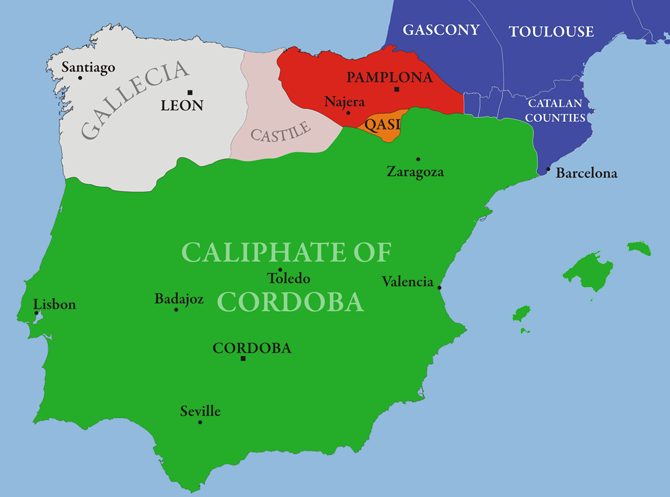
Map Route
Al-Andalus Through Places
Start with the political hub, then open ports and cities that make the geography concrete.
Browse evidence-first Moorish history articles, pillar hubs, timelines, source guides, and myth-vs-history learning paths.
Follow themes like architecture, terminology, law, trade, and myth checking.
Browse by geography, including al-Andalus, the Maghreb, Iberia, and wider connected regions.
Move through the record by century, dynasty, and major historical period.
Open biographies and profiles that connect articles, places, events, and sources.
Use cities, monuments, regions, and institutions as map-like entry points.
Check common public claims against evidence, source limits, and editorial verdicts.
These routes use featured media as entry points, then send readers into articles, people, places, and claim checks that add context.
Map Route
Start with the political hub, then open ports and cities that make the geography concrete.
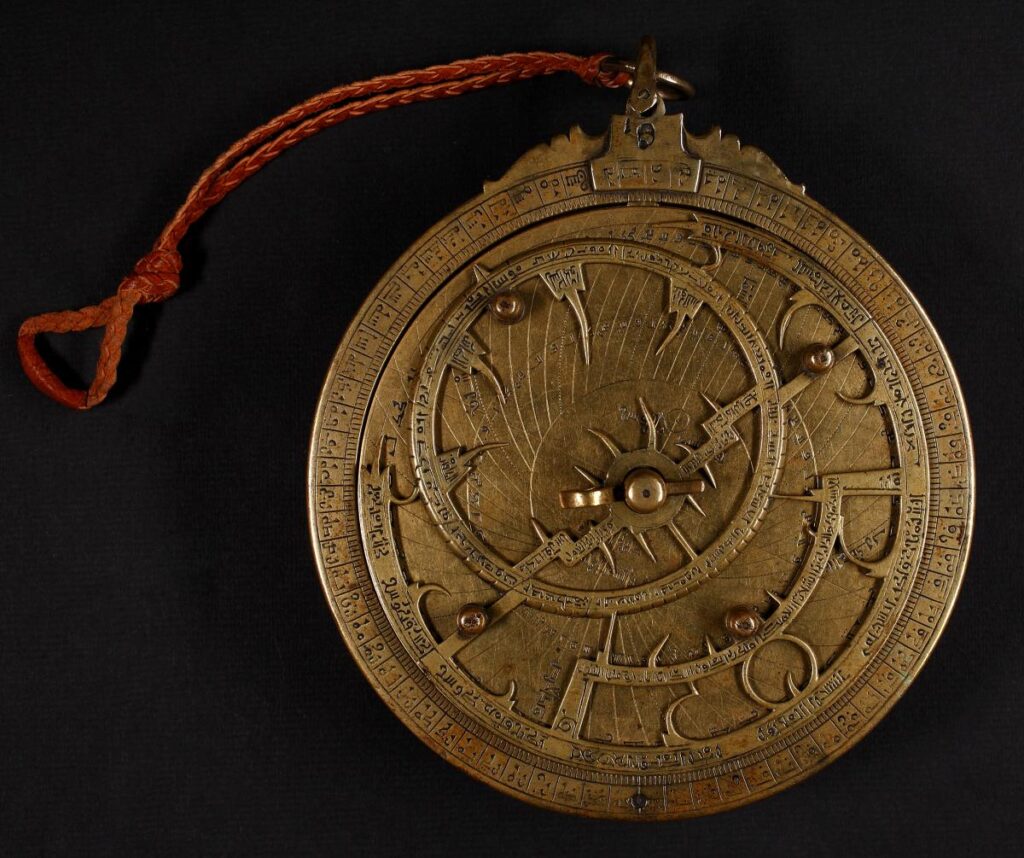
Science Route
Move from instruments and infrastructure into the built environments that shaped daily life.
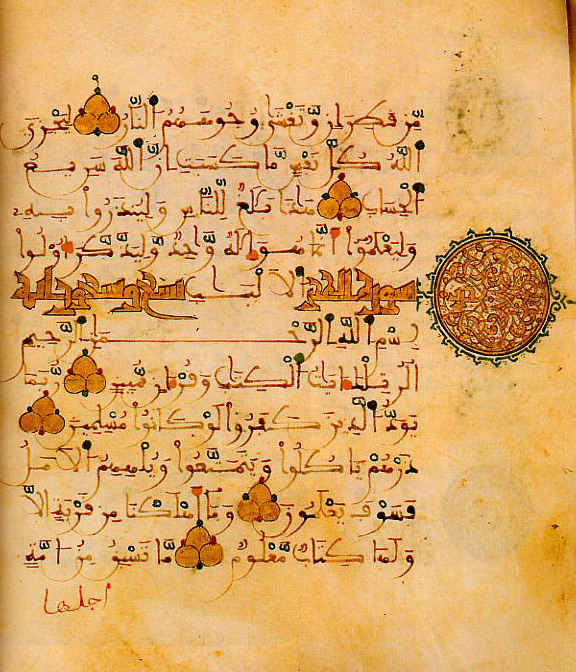
Literary Route
Use manuscripts, poems, and named writers to connect language history with social life.
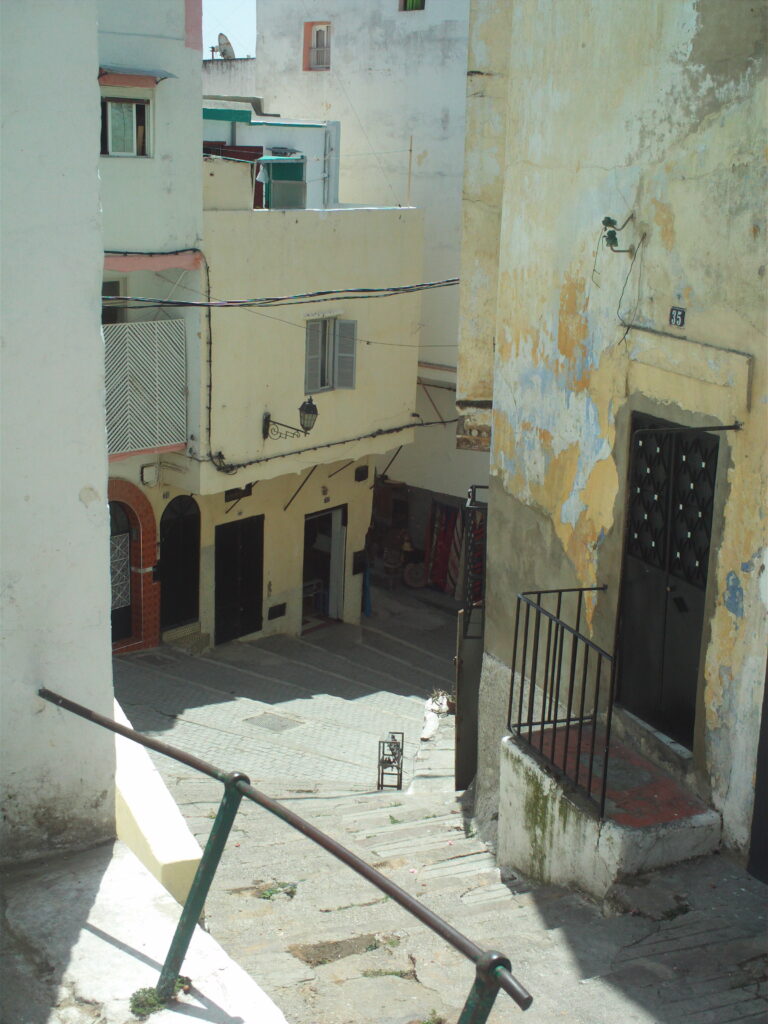
Bridge Route
Follow reader interest in Black history into North Africa, the Sahara, and careful terminology.
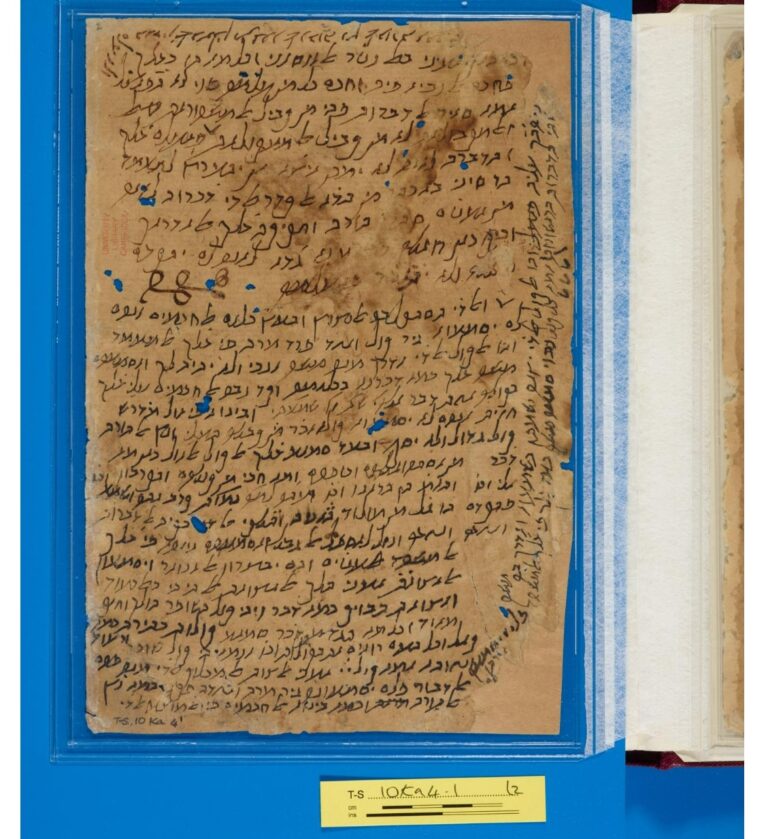
A careful guide to Jewish and Christian life under Muslim rule in Iberia, balancing legal status, daily practice, elite careers, conflict, protection, pressure, and evidence limits.
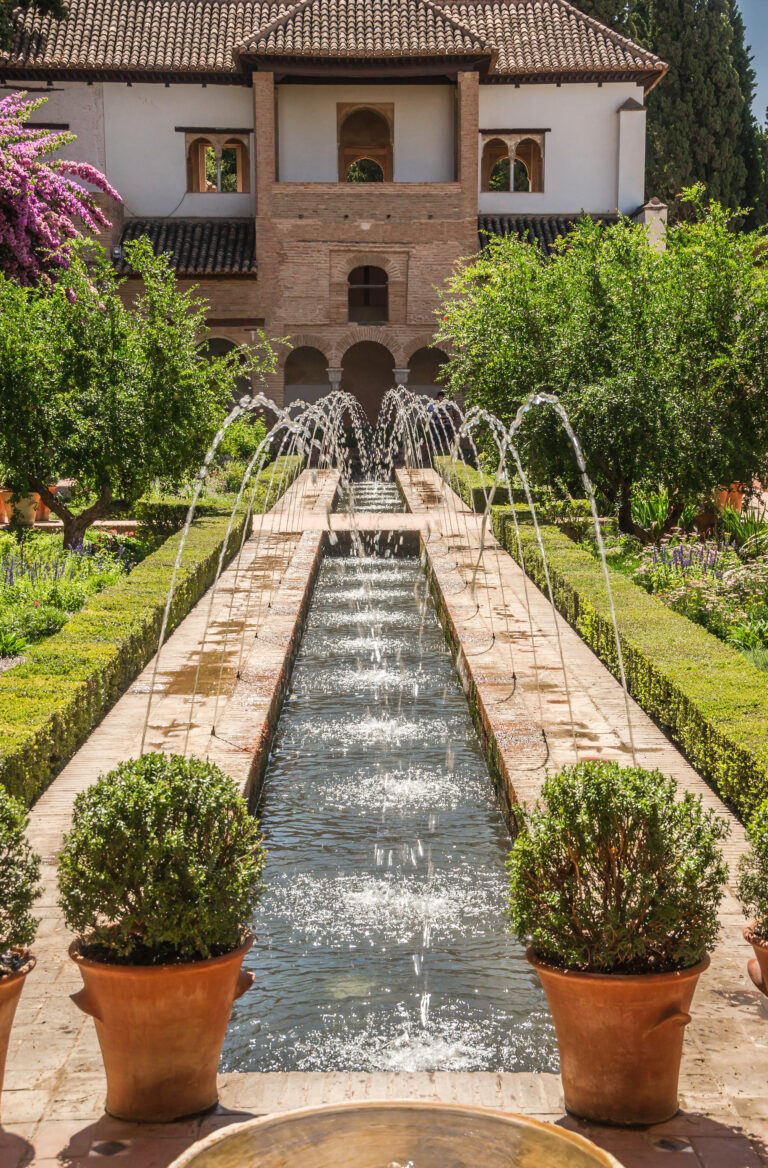
A guide to food, crops, irrigation, gardens, markets, and elite landscapes in al-Andalus, with attention to evidence limits and later garden memory.
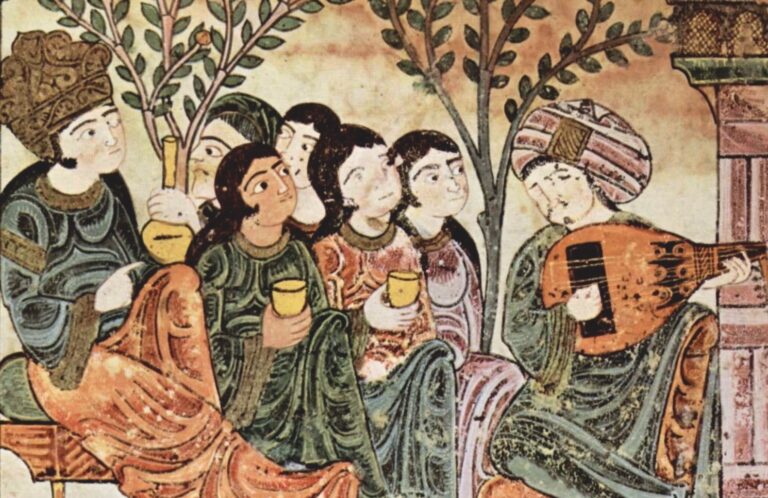
A source-aware guide to clothing, textiles, and fashion as evidence for rank, gender, work, courtly display, trade, craft skill, and the limits of visual reconstruction.
A practical guide to how Arabic, Hebrew, and Latin scholarly worlds interacted through translation, adaptation, commentary, and institutional reuse.
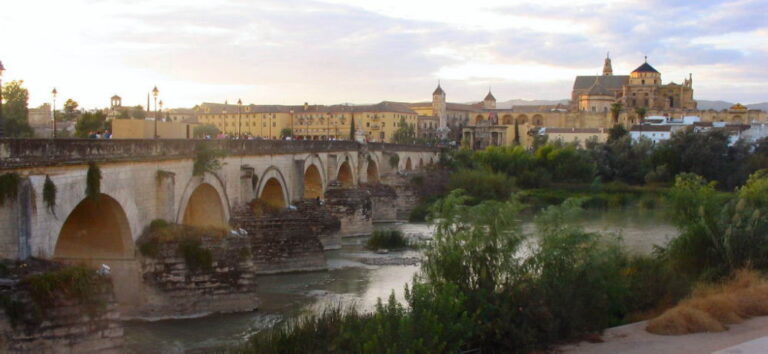
A careful entry point into al-Zahrawi, surgical instruments, medical writing, and the way Andalusi medicine moved through Arabic and Latin learned traditions.
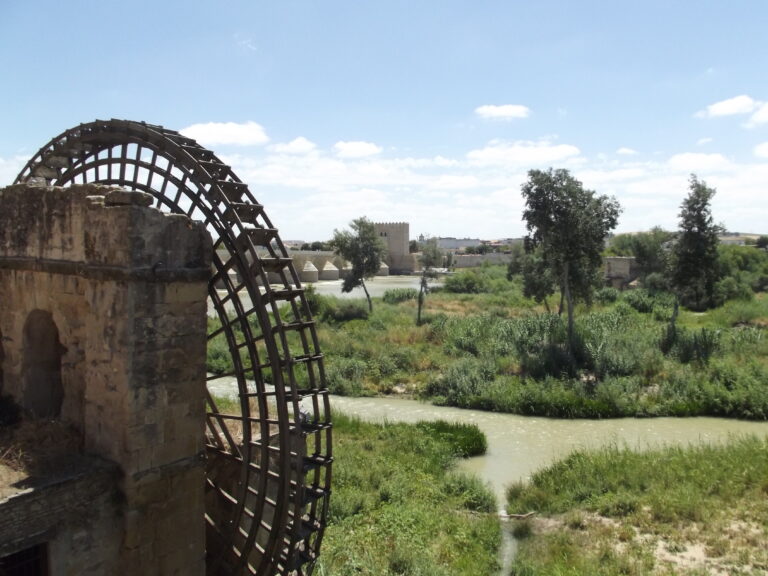
A practical entry point into calculation, irrigation, water wheels, infrastructure, and the technical work behind cities, agriculture, and power.
A guide to books, libraries, court patronage, copying, and teaching environments that made learned culture visible in Cordoba, Fez, and related centers.
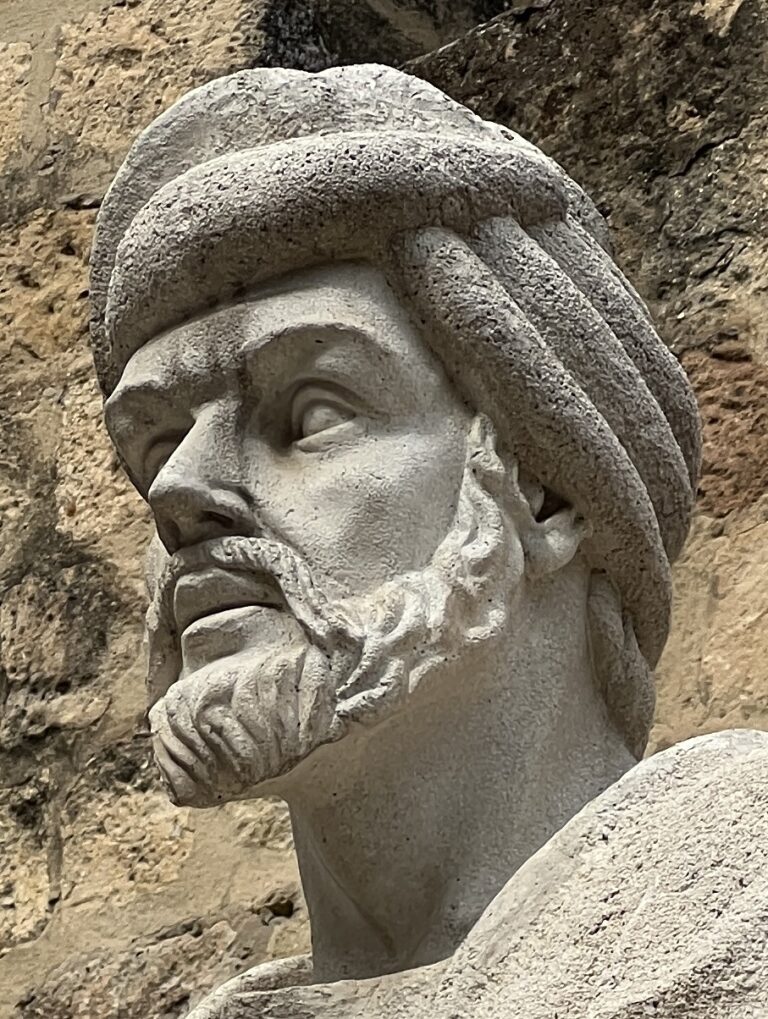
A source-aware guide to Ibn Rushd's major philosophical debates, explaining the Decisive Treatise, the response to al-Ghazali, and why the story is more complex than a simple reason-versus-religion slogan.
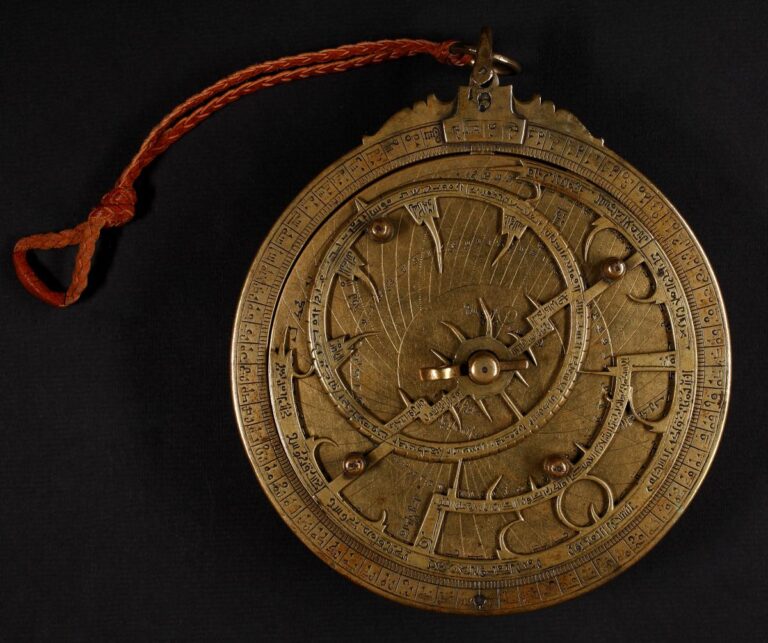
An orientation to astronomy, calendars, instruments, prayer times, navigation, and the practical uses of mathematical knowledge in al-Andalus.
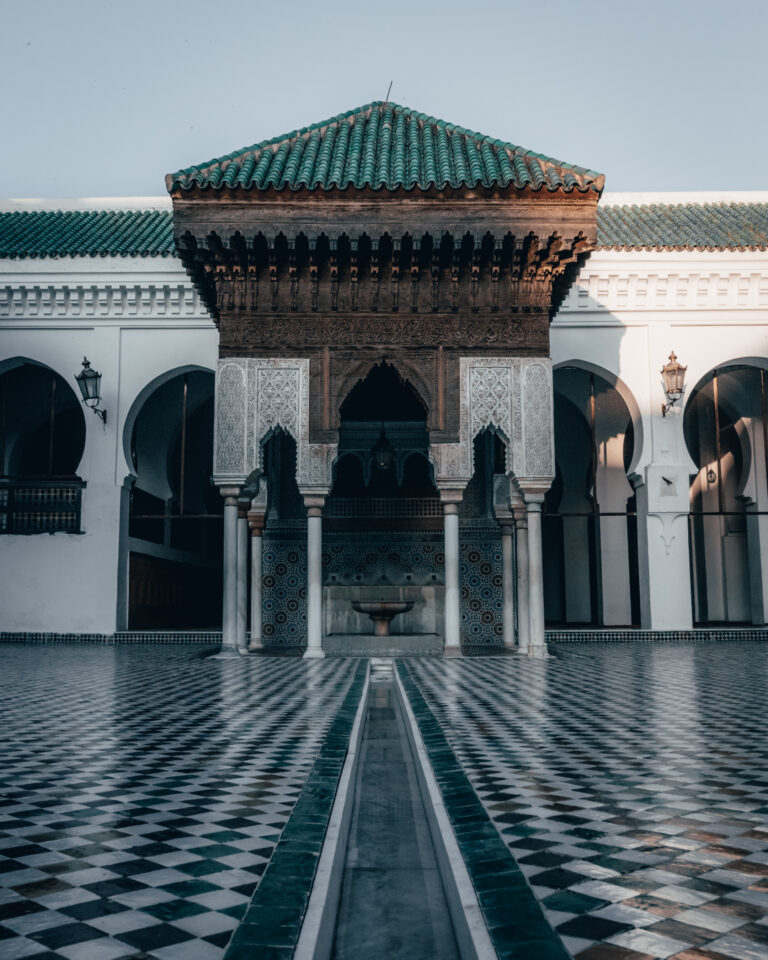
A guide to the ulama as scholars, jurists, judges, teachers, advisers, and sometimes critics who shaped law, learning, public authority, and political legitimacy.
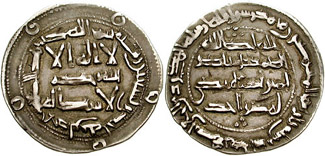
A source-aware guide to taxation and state finance in al-Andalus, including zakat, jizya, land revenue, coinage, tribute, markets, and what the evidence can prove.
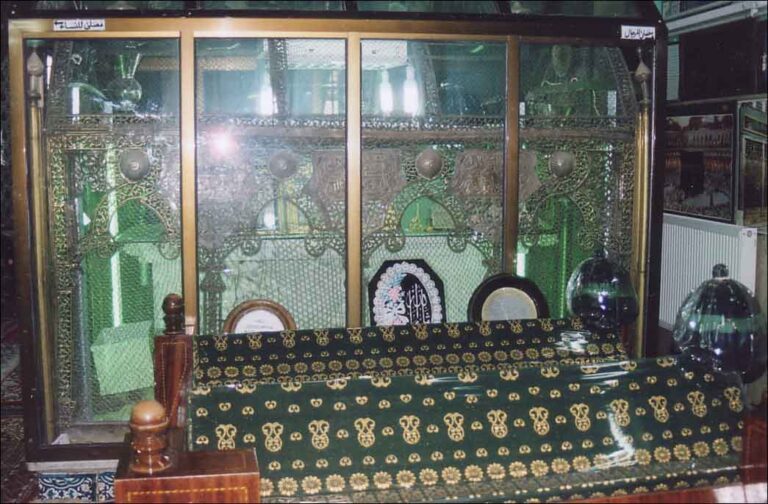
A careful guide to Sufism and spiritual life in the western Islamic world, distinguishing devotional practice, scholarly debate, sainthood, memory, and source limits.