Editorial Summary
Taxes and state finance are where religion, law, markets, military power, and daily life meet. Rulers needed revenue to pay soldiers, maintain officials, build, govern cities, negotiate tribute, and project legitimacy.
The evidence is stronger when the page names the specific fiscal mechanism. Zakat, jizya, land revenue, market fees, tribute, coinage, and confiscation are not the same thing.
Zakat, Jizya, and Legal Categories
Zakat is an Islamic alms obligation with legal and religious meaning. Jizya is commonly discussed as a tax associated with protected non-Muslim status. Both terms matter, but they should not be used as shortcuts for the whole fiscal system.
Legal categories tell us how authorities framed obligations. They do not automatically reveal collection rates, exemptions, corruption, enforcement, household burden, or local practice.
Coinage and State Power
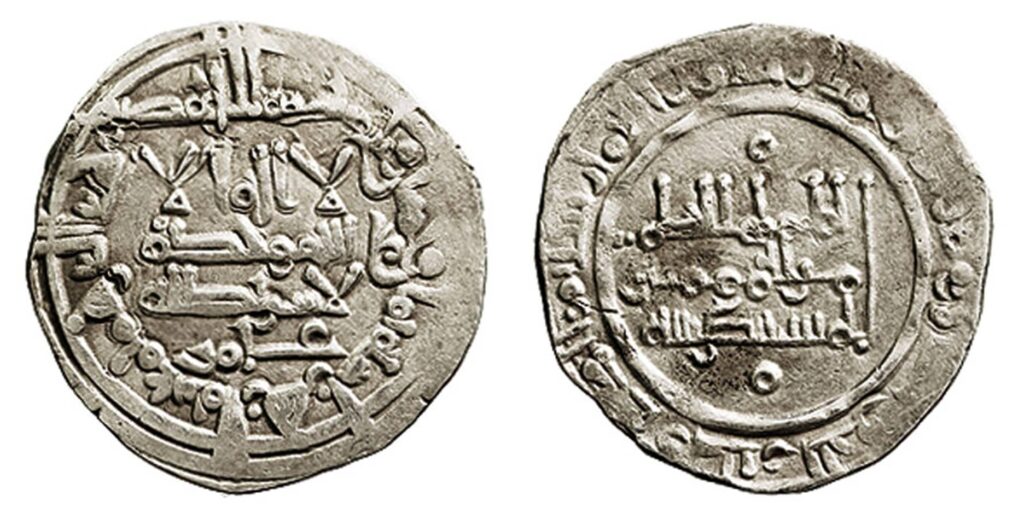
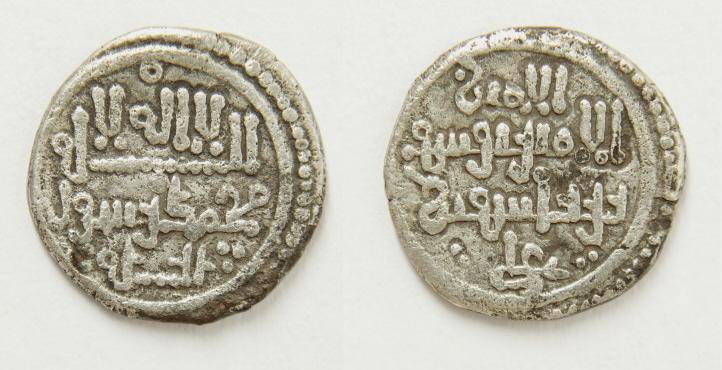
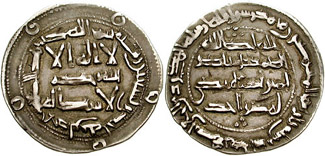
Coins are concrete evidence. A dirham or dinar can show ruler names, titles, minting authority, religious formulas, chronology, and economic reach. Coinage does not tell the whole economy, but it anchors claims in material evidence.
For public readers, coins are useful because they make governance visible. They show that political authority was not only written in chronicles; it was stamped into everyday exchange.
Tribute, Markets, and Realpolitik
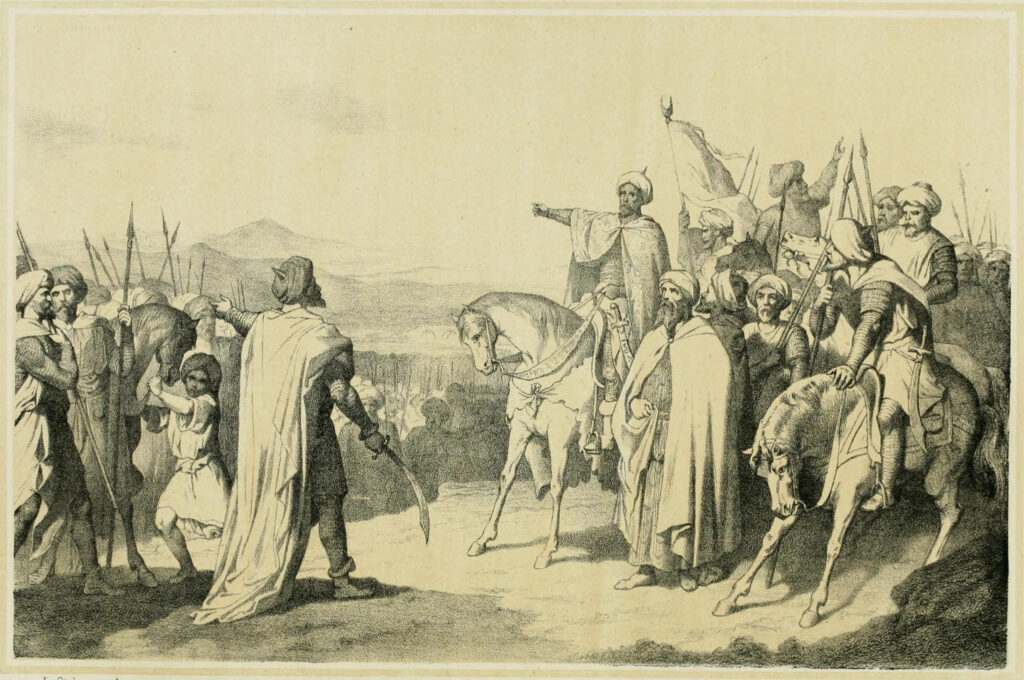
Taifa rulers, Christian kings, Maghrebi dynasties, and later Nasrid rulers all operated in worlds where tribute, diplomacy, trade, military pressure, and taxation overlapped. Payments across faith lines do not fit simple civilizational slogans. They were political and fiscal tools.
Markets also mattered. Rulers could draw revenue from trade, ports, goods, and urban regulation. Economic history helps explain why cities, frontiers, and ports were strategic.
Evidence Problems
Fiscal systems are hard to reconstruct evenly. Chronicles may emphasize dramatic tribute, legal texts may describe ideals, coins show official authority, and trade studies show movement of goods. Ordinary taxpayers are harder to hear.
Reader Method
For a tax or finance claim, ask:
- Which tax or payment is being discussed?
- Is the evidence legal, numismatic, narrative, administrative, or economic?
- Does the claim concern religious status, land, trade, tribute, coinage, or military finance?
- Is the page treating a legal category as if it proves actual collection practice?
What Sources Let Us Say
The sources let us describe political revenue needs, coinage, tribute, trade, and legal tax categories. They are weaker for exact burdens on ordinary households unless a specific document survives.
Working Conclusion
Taxation makes Moor history less abstract. It shows how states turned law, land, trade, status, and military pressure into governing capacity.