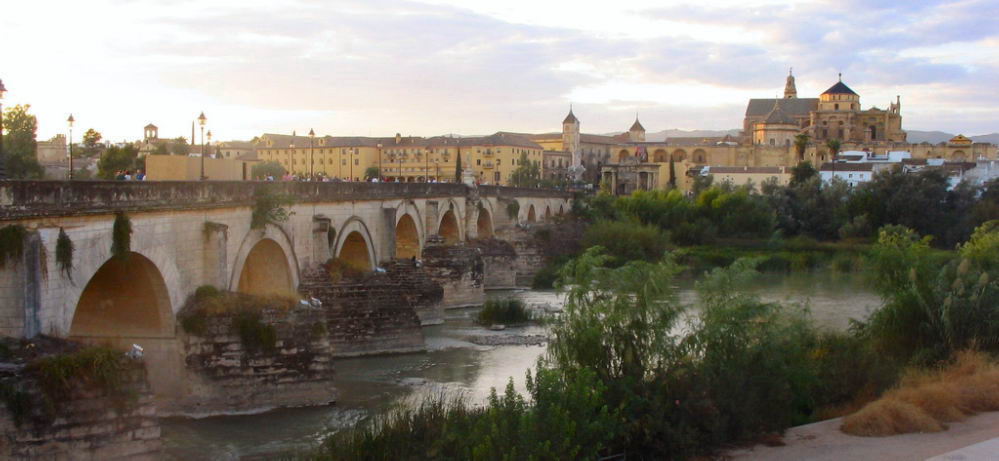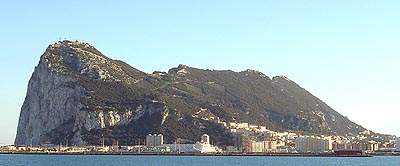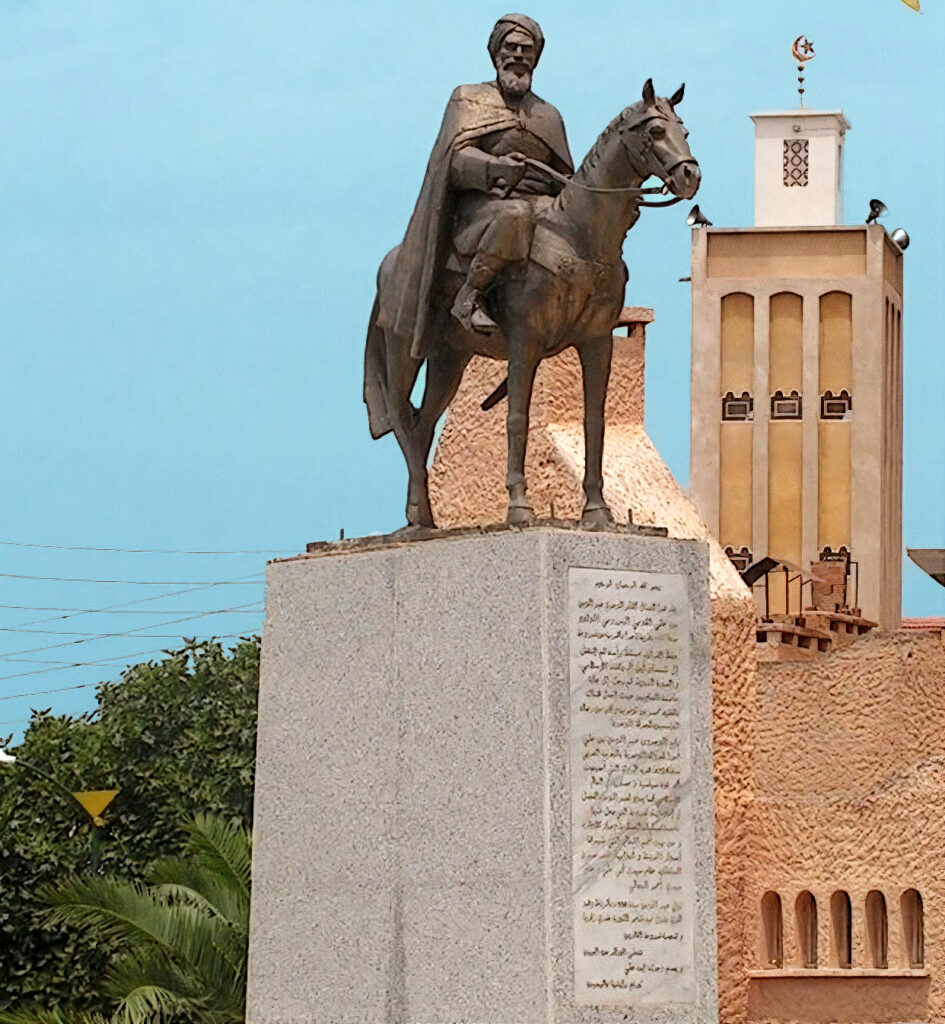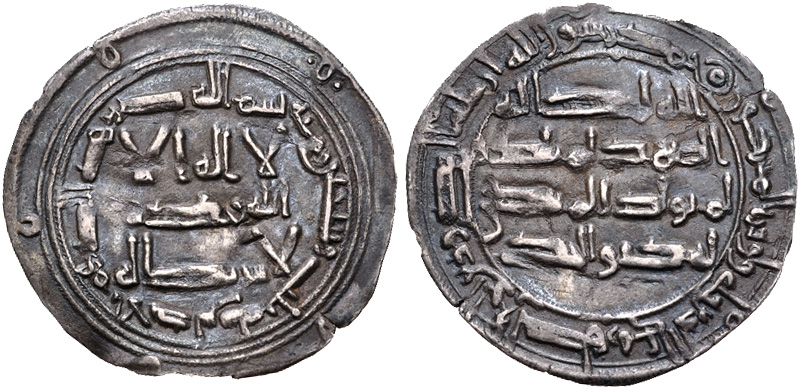
Editorial Summary
Al-Andalus names a long, changing history of Muslim-ruled Iberia, not one uniform society. This hub helps readers follow the major political periods while keeping local variation, frontier pressure, religious communities, and later memory in view.
How to Use This Hub
Start with formation and Umayyad rule, then move into the taifa period, Maghrebi dynasties, Nasrid Granada, and frontier diplomacy. Use the related people, places, and source records when a date or dynasty needs a firmer anchor.
Core Frame
This topic sits inside the political history of Muslim-ruled Iberia, where dynasties, frontier pressure, local elites, and outside powers changed over time.
Choose a Route
Start With Formation
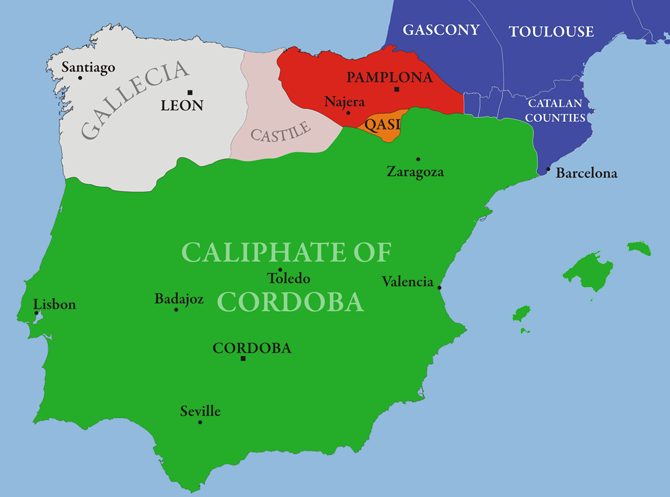
Follow the early political map from conquest through consolidation, caliphal power, and fragmentation.
Track Outside Powers
Use these routes to see how Maghrebi dynasties and Nasrid Granada changed the shape of Iberian rule.
Read the Borderlands
Move beyond court narratives into diplomacy, marches, trade, warfare, and negotiated coexistence.
Reader Cautions
Avoid turning al-Andalus into either a golden-age slogan or a simple conflict story.
Questions This Hub Answers
- Which period is being discussed?
- Which polity held power?
- Which communities are visible in the evidence?
Best Next Steps
Read the formation route first if you are new to the topic. If you already know the basic chronology, use the Nasrid, taifa, and frontier routes to compare how power worked in different periods.
Editorial Position
Moor History Center treats al-Andalus as a field of changing polities, communities, and source traditions. The goal is to keep broad orientation useful without turning the whole history into either nostalgia or conflict shorthand.