Editorial Summary
Urban life is where many readers can feel Moor history becoming concrete. Markets, baths, mosques, streets, neighborhoods, walls, ports, gardens, workshops, and water systems turn broad history into lived space.
Cities were not just containers for famous people. They were systems for moving water, food, goods, animals, money, information, authority, and waste.
Markets and Supply
A city had to be fed and supplied. Markets connected farmers, merchants, artisans, inspectors, transport workers, consumers, and tax systems. Trade sources help show how goods moved through ports, roads, and frontier zones.
Markets also reveal social hierarchy. Elite goods, ordinary food, building materials, textiles, ceramics, and tools did not circulate in the same way or carry the same meanings.
Baths, Water, and Public Space
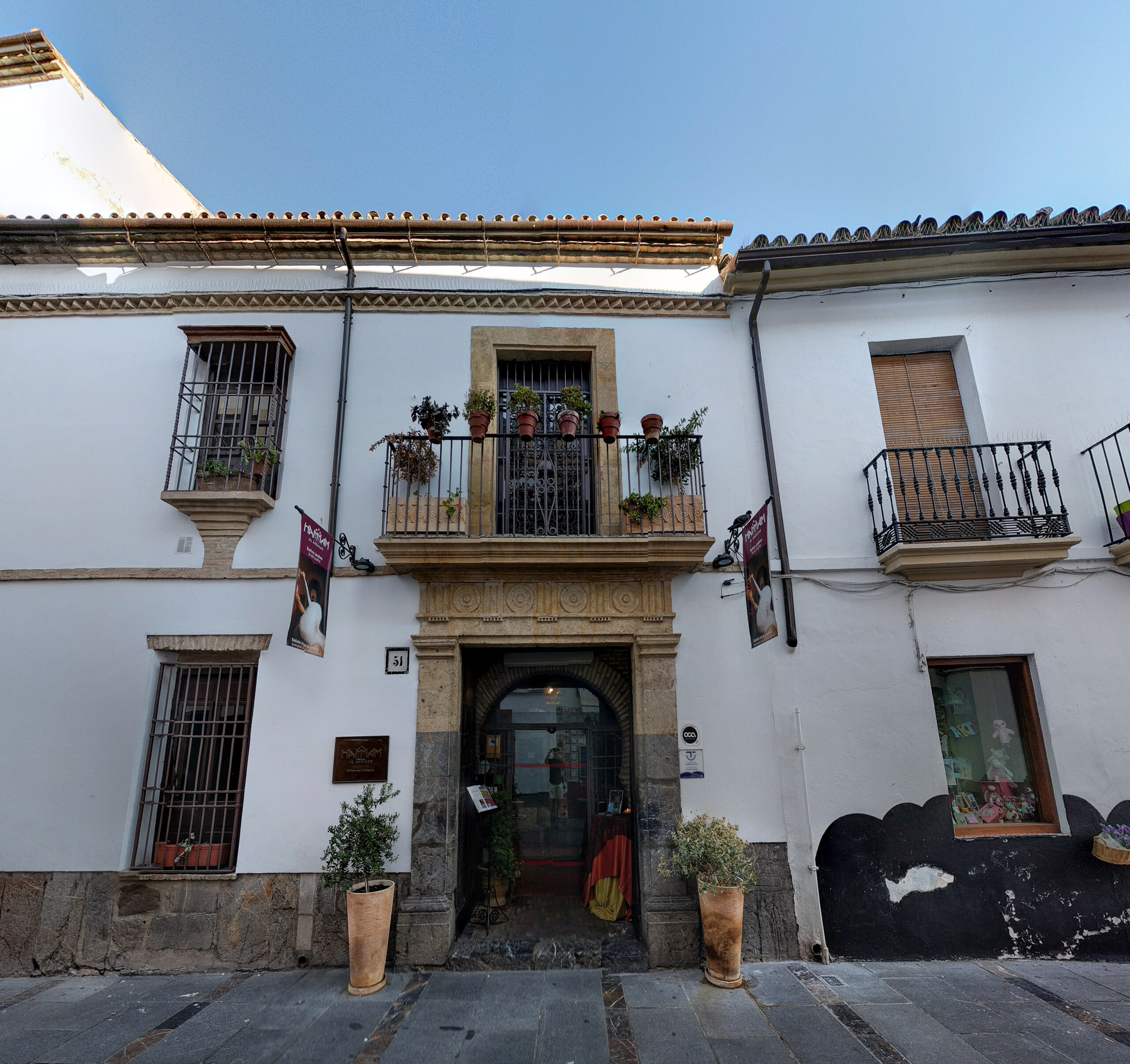
Baths were social and infrastructural spaces. They depended on water, heat, fuel, labor, maintenance, and neighborhood access. A bathhouse can therefore be read as evidence for daily routine, hygiene norms, craft labor, and urban investment.
Water systems mattered beyond baths. Canals, wells, fountains, cisterns, drains, and garden channels shaped how cities worked and how rulers displayed order.
Neighborhoods and Boundaries
Urban neighborhoods could reflect family networks, religious communities, trades, gates, markets, and local memory. But the evidence rarely gives a complete map of ordinary life. Archaeology, toponyms, later records, and monuments have to be compared carefully.
Religious communities did not simply float above the city. Mosques, churches, synagogues, cemeteries, markets, and administrative buildings structured daily movement.
Cities as Political Stages
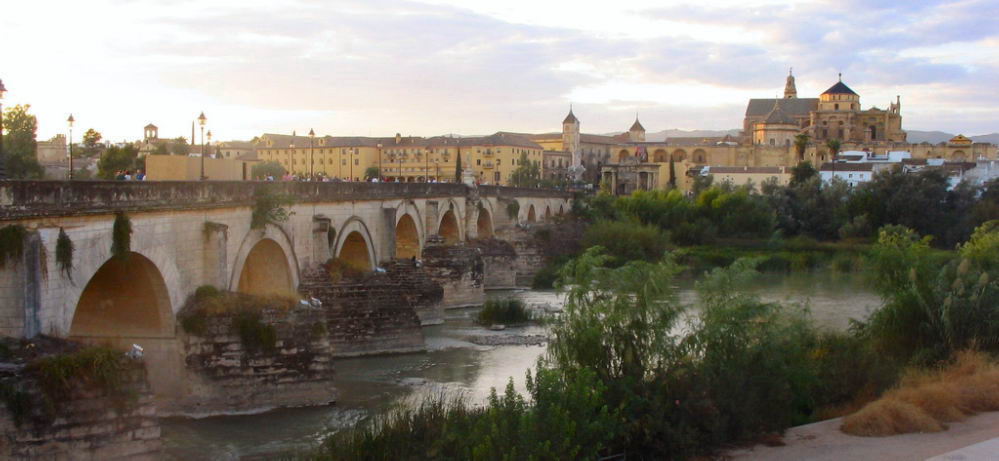
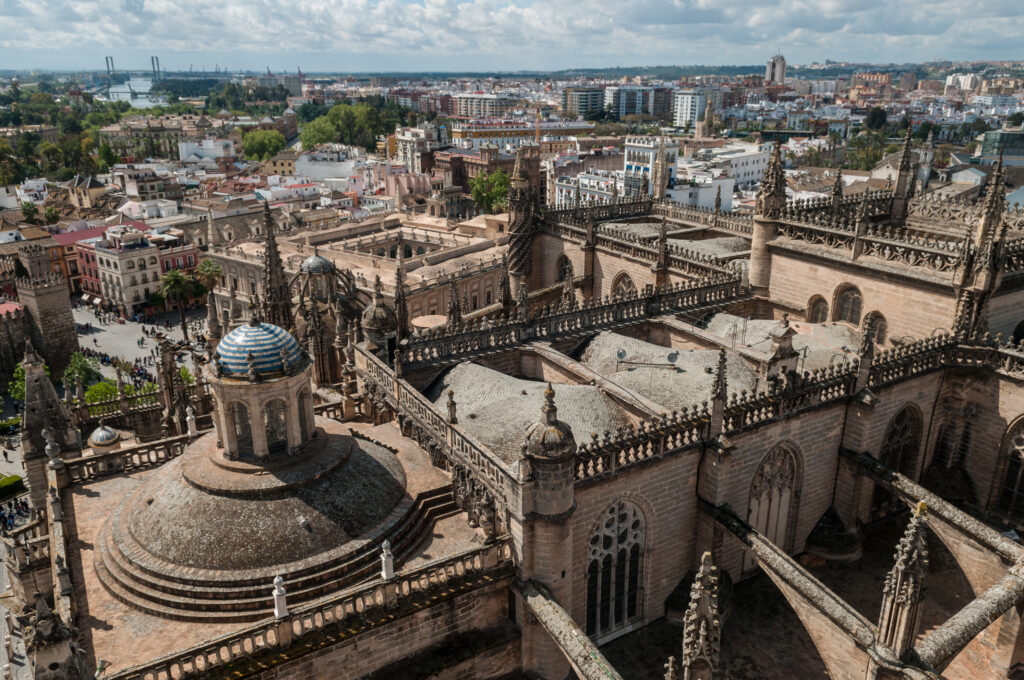
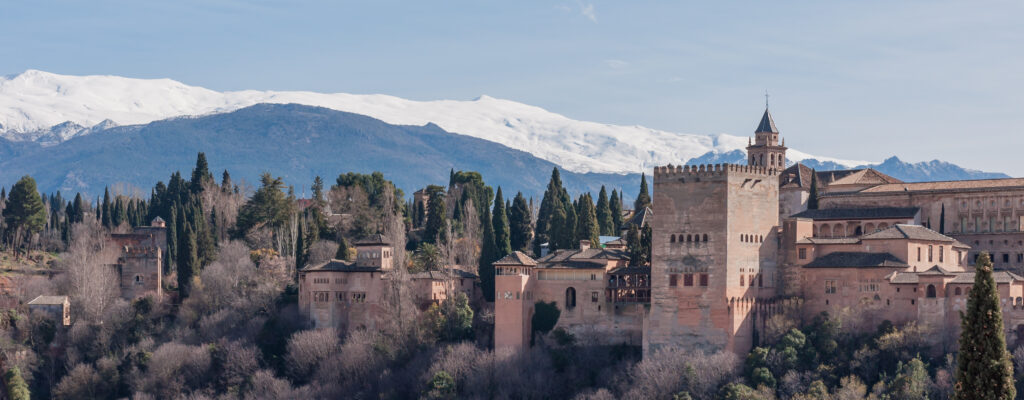
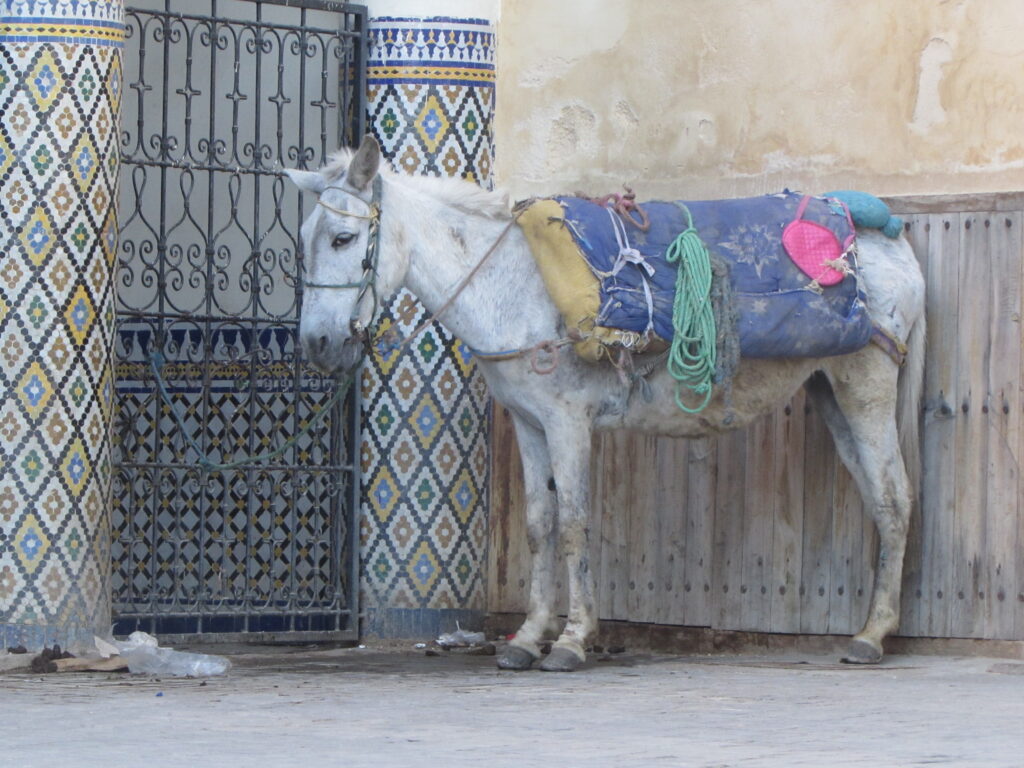
Cordoba, Seville, Granada, Fez, Marrakesh, Valencia, and Almeria each matter for different reasons. Some were capitals, some ports, some frontier centers, some scholarly or commercial nodes. A major building could express ruler authority, but streets and markets kept that authority practical.
Reader Method
When reading an urban claim, ask:
- What city and century are being described?
- Is the evidence a monument, legal text, trade record, archaeology, chronicle, or later restoration?
- How did food, water, people, money, and waste move?
- Does the page distinguish elite monuments from ordinary urban life?
What Sources Let Us Say
The sources let us describe major urban centers, institutions, commerce, infrastructure, and some daily practices. They are weaker for reconstructing every neighborhood, household, rural migrant, servant, or worker.
Working Conclusion
Urban history makes the knowledge center more useful because it links people, places, objects, and systems. A city is not a backdrop; it is evidence built in stone, water, labor, and movement.