Editorial Summary
The ulama were people of religious learning: jurists, judges, teachers, writers, advisers, transmitters, and public authorities. They helped shape law, education, documents, worship, legitimacy, and the moral language of politics.
They were not one unified political party. Their influence depended on expertise, office, reputation, family networks, patronage, city, ruler, school, and the risks of speaking too directly to power.
Scholars and Judges
The qadi gives readers a clear institutional entry point. A judge could connect legal knowledge to contracts, disputes, marriage, inheritance, public order, and state authority. Other scholars taught, wrote, issued opinions, transmitted texts, and shaped reputations.
This is why scholarship was never only private learning. It could affect property, family life, markets, religious boundaries, and political legitimacy.
Rulers Needed Scholars
Rulers needed soldiers and revenue, but they also needed legitimacy. Scholars could bless, advise, document, teach, criticize, or resist. Patronage of mosques, libraries, scholars, and endowments was one way rulers displayed authority.
The relationship could be tense. Scholars might benefit from patronage while also defending legal or moral authority that rulers could not simply own.
Learning Networks
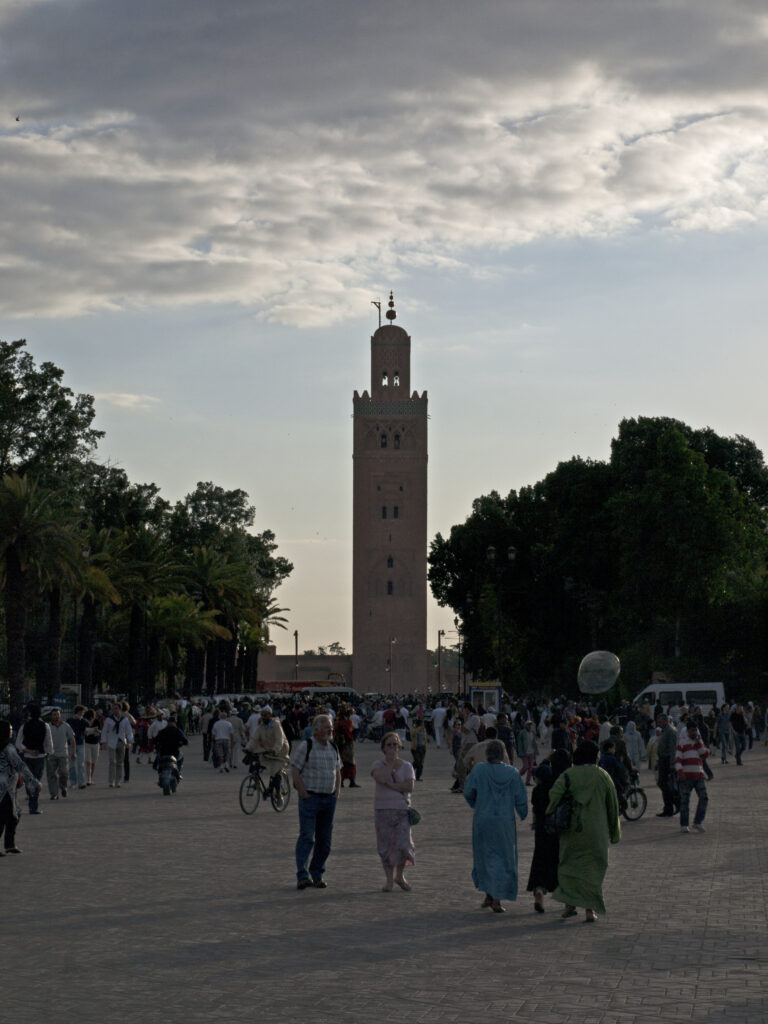
Learning moved through cities, teachers, books, journeys, libraries, mosques, and institutions. Cordoba, Fez, Kairouan, Marrakesh, and Granada all belong in this geography of knowledge, though each had its own history.
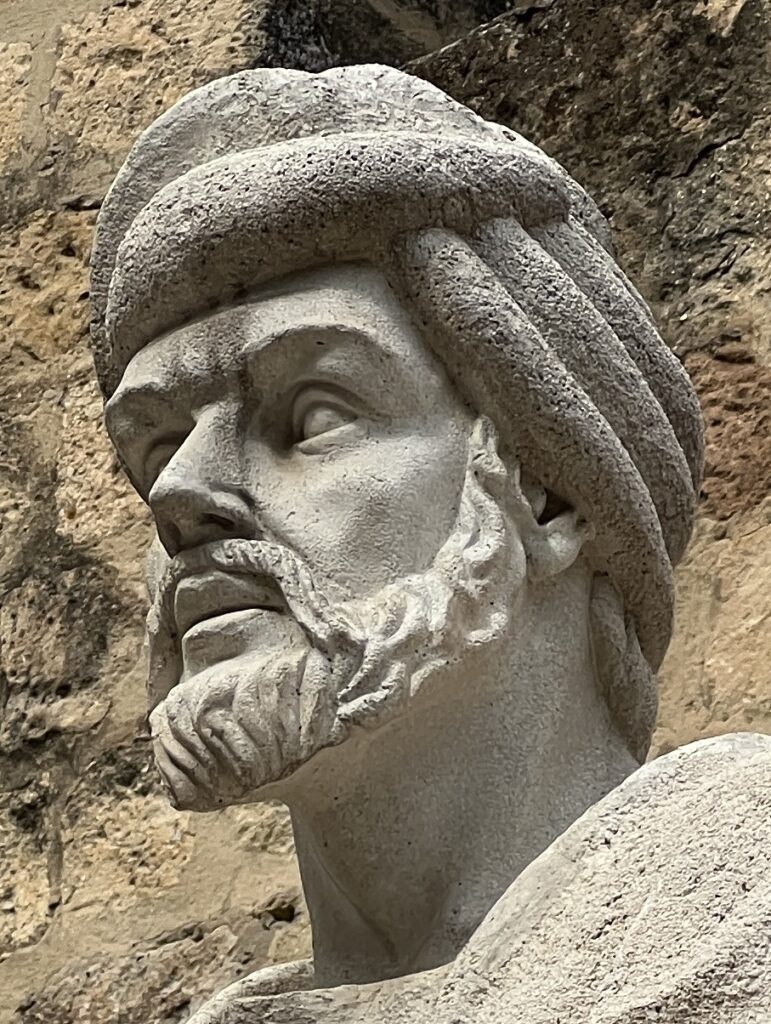
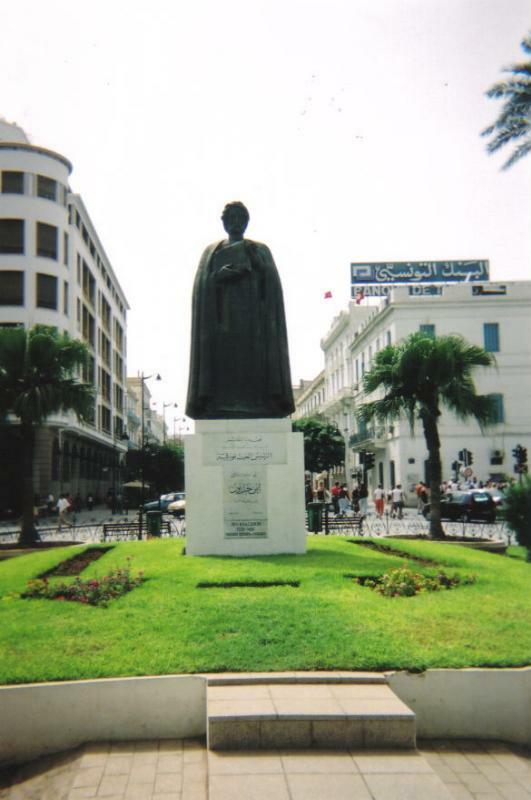
Figures such as Ibn Rushd show how legal scholarship could overlap with philosophy and public office. Ibn Khaldun shows another path, where scholarship, governance, teaching, and historical method intersected.
Evidence Problems
Biographical dictionaries, chronicles, legal works, and institutional histories preserve scholars better than ordinary students or laypeople. They can also turn scholarly careers into models of virtue, controversy, or political memory.
Reader Method
When reading about the ulama, ask:
- Is the person a judge, jurist, teacher, philosopher, historian, court official, or later memory figure?
- Is the source biography, legal writing, political history, institution record, or polemic?
- What office or patronage relationship is documented?
- Does the page treat scholarly authority as unified when it was actually contested?
What Sources Let Us Say
The sources support claims about scholarly authority, qadi office, teaching, patronage, and political legitimacy. They are weaker for reconstructing the full learning lives of ordinary students and local communities.
Working Conclusion
The ulama matter because they show how knowledge became power. Moor history is not only kings and battles; it is also the authority of people who read, judged, taught, wrote, and advised.