Why This Guide Exists
Moorish history attracts beginners because it sits at the crossing of Africa, Europe, Islam, Christianity, Judaism, empire, trade, architecture, language, science, memory, and modern identity. That richness also makes the topic easy to flatten. A single word, "Moor," can be pushed into meanings it did not always carry.
This guide gives readers a safer first path. It does not ask you to accept a slogan. It asks you to build a historical foundation from terms, places, dates, people, and sources.
The site's editorial bet is simple: beginners do better when they are given a map, not just a position. This page is that map.
Start With the Word "Moor"
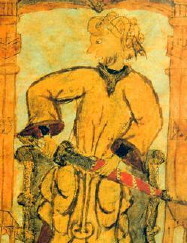
The word "Moor" was used differently across medieval Latin, Romance, English, Arabic-adjacent, and later modern contexts. In many European sources, it could point toward Muslims, North Africans, people from the Maghreb, Andalusis, or broader imagined outsiders. It was not a stable modern racial category.
That does not mean race, color, ancestry, or African identity are irrelevant. It means the historian has to ask a sharper question: who used the word, in which language, in which century, and for what purpose? Read Who Were the Moors? and What Does Moor Mean? before leaning on the term.
This is the single most important beginner move on the site. If the label is assumed to mean one fixed people everywhere, the rest of the topic becomes much easier to misunderstand.
The Basic Geography
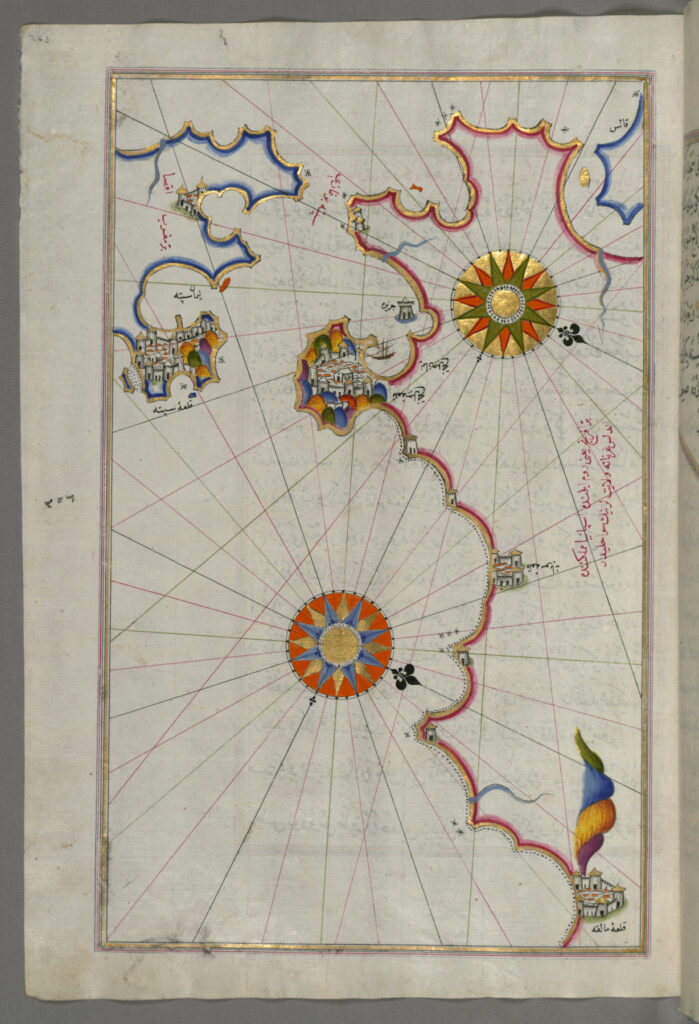
Moorish history is not only Iberian. It depends on North Africa and the western Mediterranean.
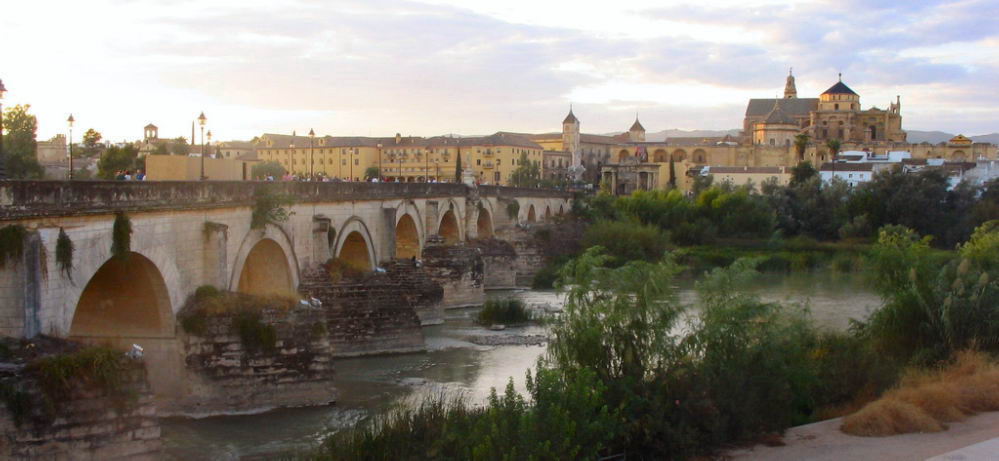
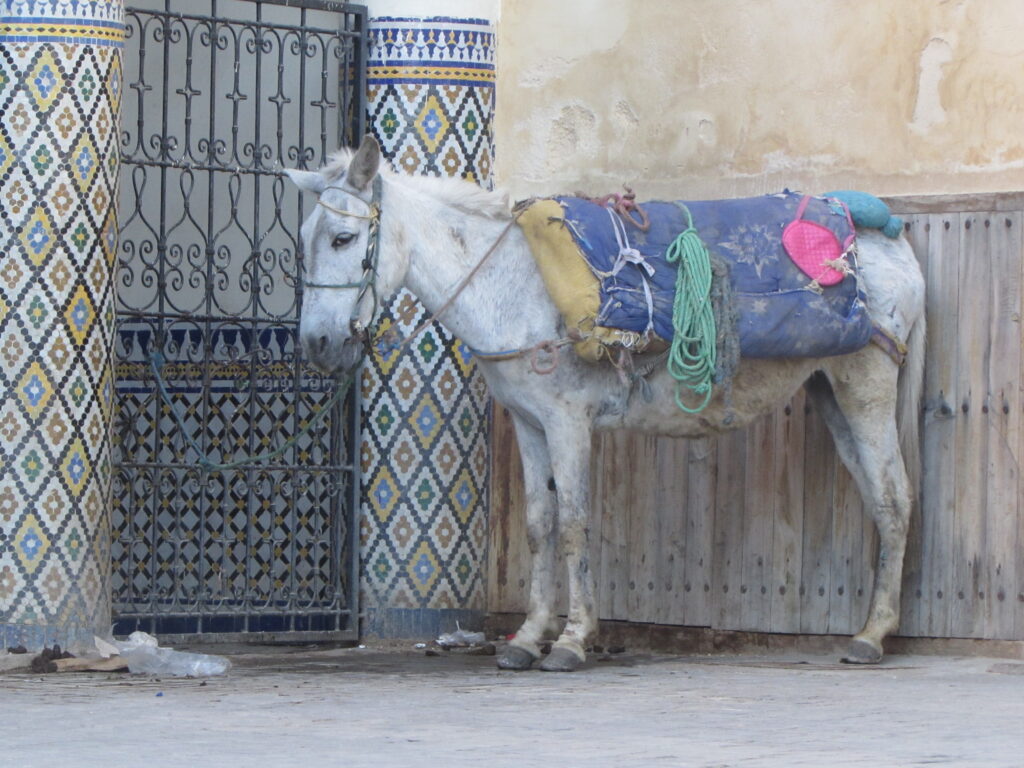
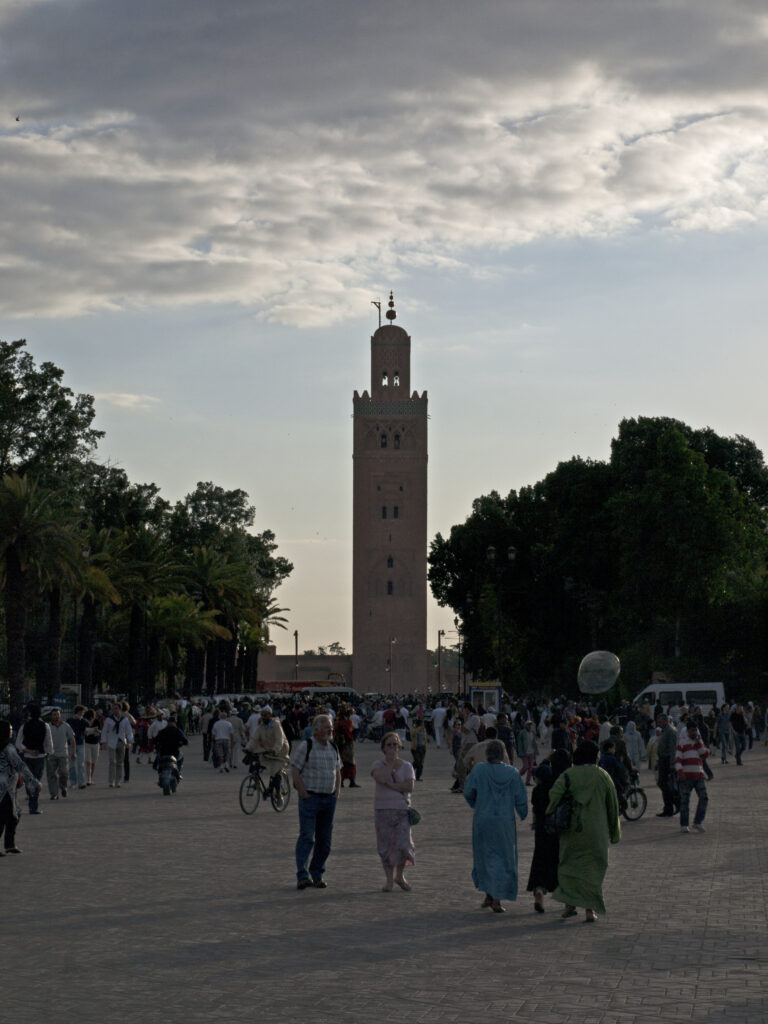
The Maghreb matters because dynasties, scholarly networks, trade routes, military movements, and identity labels often crossed the Strait of Gibraltar. Cities such as Fez, Marrakesh, Tangier, Ceuta, Cordoba, and Granada belong in the same learning map, even when their political histories differed.
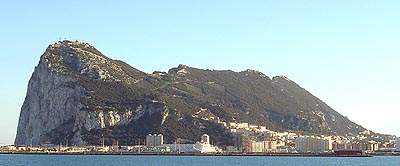
The Strait matters because it was not just a boundary. It was a crossing zone. The 711 campaign associated with Tariq ibn Ziyad and Gibraltar opened a new political phase in Iberia, but the details survive through later narrative traditions that need careful reading.
That geographic frame is crucial because many low-quality summaries isolate al-Andalus from the Maghreb. Doing that makes Moorish history look like an Iberian anomaly instead of a regional story shaped by movement across the strait.
A Beginner Timeline
Start with turning points, not with a claim that the whole story was one unbroken period.
In 711, Muslim-led forces crossed into Iberia. By 756, Abd al-Rahman I established the Umayyad emirate of Cordoba. In 929, the Cordoban rulers claimed caliphal status, making Cordoba a major political and cultural center. After 1031, the caliphate fragmented into taifa kingdoms. Almoravid and Almohad power later connected the Maghreb and Iberia in new ways. By the thirteenth century, Christian kingdoms controlled much of Iberia, while Nasrid Granada remained a major Muslim-ruled polity until the 1491-1492 surrender. After 1492, forced conversion, Morisco life, revolt, repression, and expulsion changed the meaning of Moorish memory.
That timeline is a frame, not a substitute for complexity. Use Al-Andalus by Turning Points when you want the route in order.
The reason to learn the sequence is practical: many public claims collapse eight centuries into one undifferentiated "Moorish period." Once readers can tell conquest, caliphal consolidation, taifa fragmentation, Maghrebi intervention, Nasrid survival, and post-1492 coercion apart, the slogans start to weaken on their own.
People to Know First
Do not begin with a giant list of names. Begin with roles.
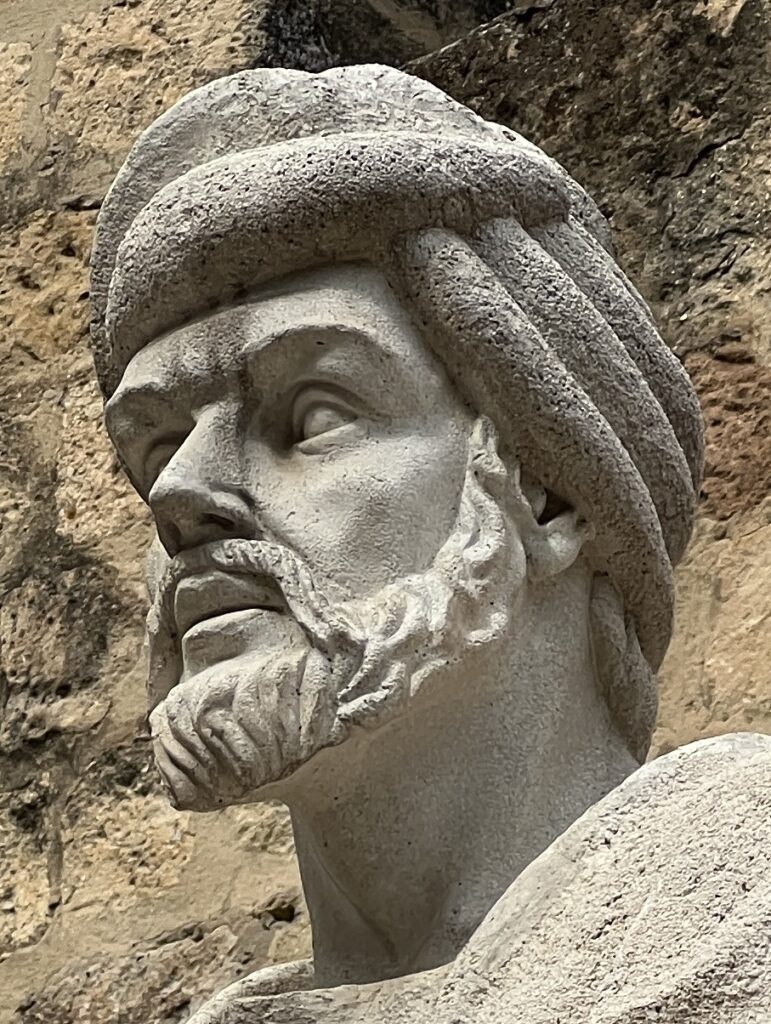
Tariq ibn Ziyad and Musa ibn Nusayr sit near the conquest traditions. Abd al-Rahman I represents Umayyad state formation in al-Andalus. Yusuf ibn Tashfin connects Saharan, Maghrebi, and Iberian power through the Almoravids. Ibn Rushd and Ibn Khaldun show why intellectual history cannot be separated from political and institutional context.
These people were not all "Moors" in the same sense. Some were rulers, jurists, philosophers, soldiers, poets, administrators, or chroniclers operating in different places and centuries.
That diversity is part of the lesson. A serious beginner guide should make the category less magical, not more.
What Sources Can and Cannot Do
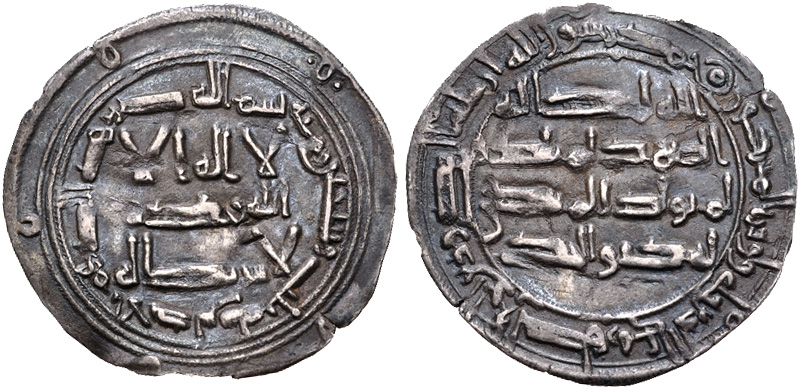
Moorish history relies on chronicles, legal texts, biographical dictionaries, coins, architecture, manuscripts, inscriptions, archaeology, later translations, and modern scholarship. Each source type answers different questions.
Chronicles can preserve narrative memory, but they can dramatize speeches, numbers, motives, and moral lessons. Buildings can prove patronage, craft, reuse, and survival, but they cannot prove every claim made about race or identity. Modern scholarship can synthesize evidence, but it still has debates and changing interpretations.
Use source pages such as Kennedy, Muslim Spain and Portugal, Fletcher, Moorish Spain, Catlos, Kingdoms of Faith, Glick, Islamic and Christian Spain, and Brett and Fentress, The Berbers as starting points, not as decoration.
The key beginner habit is to match source to claim. Do not ask a monument to settle a demographic argument, or a chronicle to settle a modern racial identity debate by itself.
Common Mistakes to Avoid
The first mistake is treating "the Moors" as one people with one origin, one race, one doctrine, and one political project. The second is making al-Andalus stand for all of North Africa or all of Islamic history. The third is turning modern memory into medieval evidence.
Another mistake is using architecture as a shortcut. The Alhambra, the Great Mosque of Cordoba, and other monuments are central, but visual resemblance does not automatically prove origin, authorship, or identity. Read Architecture Images: What They Can and Cannot Prove before using images as evidence.
One more mistake belongs on the list: treating strong emotional resonance as if it were proof. Moorish history matters deeply to many readers for reasons of ancestry, dignity, faith, heritage, or civilizational memory. Those stakes are real. They do not remove the need for source criticism.
The Core Reading Habit
If you only carry one habit out of this guide, let it be this:
- define the term
- place the claim
- date the claim
- identify the source type
- narrow the wording until the evidence can actually bear it
This habit will protect you better than memorizing ten isolated "facts."
What to Read Next
If you are new, follow this route:
- Who Were the Moors?
- Conquest and Consolidation
- The Caliphate of Cordoba
- The Maghreb Before al-Andalus
- Race, Religion, and Identity
- How to Evaluate a Historical Claim
After that, move into the myths-and-evidence hub rather than jumping straight into viral claims one by one. The method pages make the later debates much easier to navigate.
Evidence Frame
This page is a synthesis guide. It is strongest for orientation, vocabulary, route-building, and source literacy. For detailed claims, follow the linked articles and sources. For modern identity, ancestry, spiritual lineage, legal status, or community memory, use careful language and do not collapse historical Moorish contexts into modern claims without evidence.
Its job is not to answer every debate. Its job is to make the reader ready for them.