Editorial Summary
Sufism and spiritual life belong in Moor history, but they need careful handling. The topic includes devotion, teaching, travel, saints, poetry, ethical discipline, metaphysics, community memory, and debates with scholars and rulers.
It should not be reduced to vague mysticism or modern spiritual branding. A source-aware page asks who is speaking, what genre is being used, which practice is described, and how later memory reshaped the figure or place.
Practice, Writing, and Memory
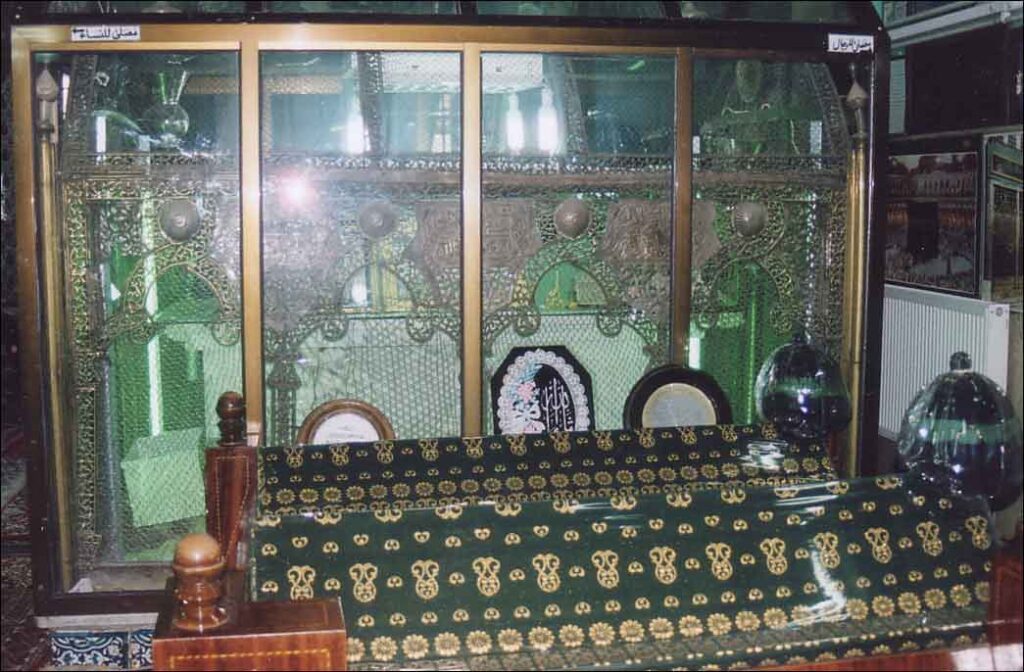
Spiritual life could include prayer, teaching, ethical training, ascetic discipline, poetry, pilgrimage, devotional gatherings, saintly memory, and written interpretation. Some practices are documented clearly. Others survive through later biographies, shrine traditions, or literary memory.
That matters because a hagiography, a philosophical treatise, a poem, a legal objection, and a modern shrine description do not carry the same evidentiary weight.
Ibn Arabi and the Limits of One Example
Ibn Arabi is one of the most important Andalusi figures associated with Sufi thought. His life and later reception show how spiritual authority could cross regions far beyond Iberia.
But a single famous figure cannot stand for all spiritual life in al-Andalus or the Maghreb. Local saints, teachers, jurists, students, patrons, travelers, and communities created many different religious worlds.
Scholars, Rulers, and Debate
Sufism did not exist outside institutions. It interacted with jurists, rulers, mosques, endowments, teaching networks, and political reform movements. Some forms of spiritual authority were admired; others were debated or criticized.
This is why the page belongs in religion and law, not only in biography or literature.
Evidence Problems
Miracle stories, saintly biographies, shrine memory, and devotional claims are sources, but they need genre labels. The site can explain what a community believed or remembered without endorsing every supernatural claim as established history.
Reader Method
For a Sufi or spiritual-life claim, ask:
- Is the source a biography, treatise, poem, legal critique, shrine tradition, or modern memory?
- Does the claim describe practice, doctrine, reputation, miracle, institution, or later reception?
- Which person, city, and century are involved?
- Is the page explaining belief or proving an event?
What Sources Let Us Say
The sources let us discuss major figures, spiritual writings, institutional interactions, devotional memory, and debates over authority. They are weaker for proving private experiences or miracle claims.
Working Conclusion
Sufism deepens the site when it is treated historically: as practice, writing, authority, memory, and debate in specific places and periods.