Editorial Summary
Many readers meet Moorish history through broad Black history education. That route can be meaningful, especially when it challenges the false idea that Africa had no medieval history. It also needs care, because the words African, Black, Moor, Berber, Arab, Muslim, Andalusi, Saharan, and West African do not all mean the same thing in every century.
What This Page Establishes
Moor History Center can build from public Black history interest without copying a fact list or flattening African diversity. The bridge has to move from inspiration into evidence: Which source says it? What century? What region? Which community? What kind of claim is being made?
Why Fact Lists Attract Readers
Fact lists work because they are fast, memorable, and pride-building. They often point readers toward neglected histories: African kingdoms, North African dynasties, Islamic scholarship, trans-Saharan trade, resistance to racial erasure, and the long afterlife of words like Moor. Those themes are worth taking seriously.
Where Moor History Fits
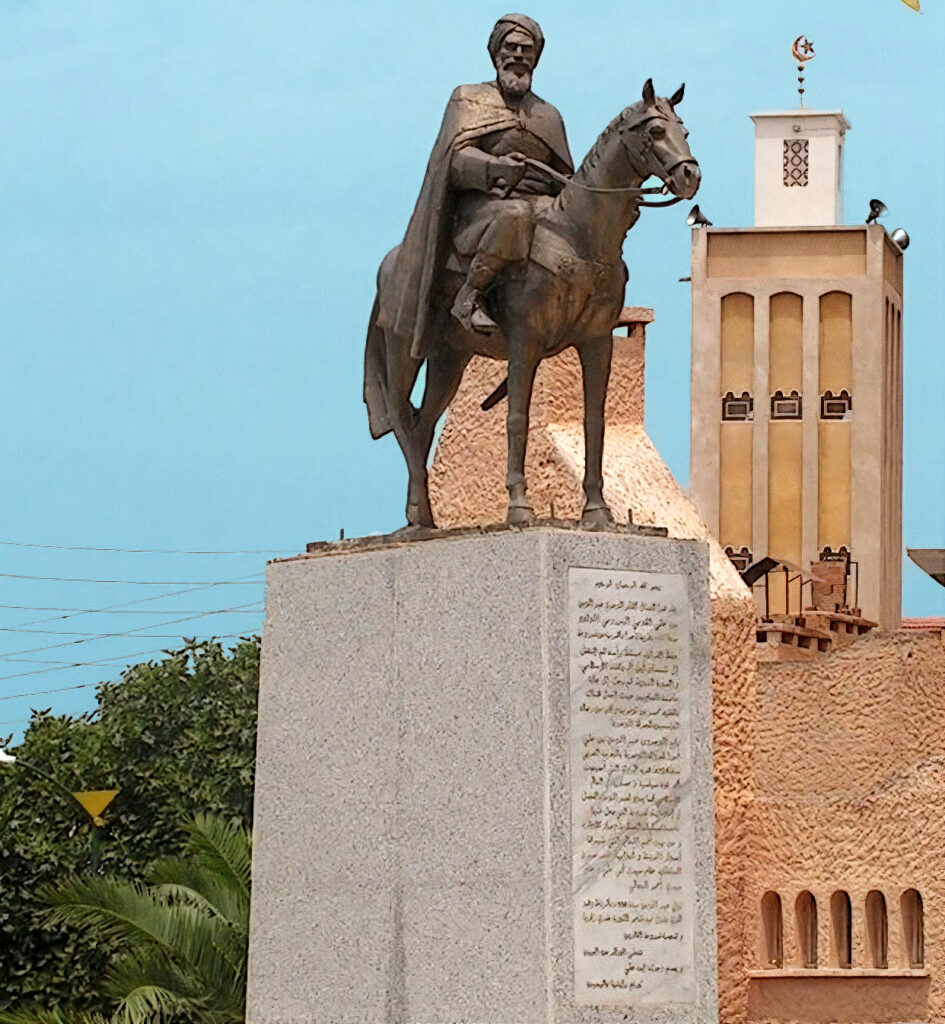
Moorish history overlaps with Black history most strongly where the Maghreb, Sahara, Sahel, Mediterranean, and Iberia connect. North African armies and dynasties shaped al-Andalus; Saharan routes linked gold, enslaved people, scholars, pilgrims, and books; Arabic writers described West African societies; and later readers used Moorish history to argue about race, dignity, and memory.
That overlap does not make every Moorish person Black in the same modern sense. It also does not make North Africa separate from Africa. The careful position is stronger: Moorish history belongs inside African, Mediterranean, Islamic, and European histories at the same time.
A Better Reader Method
When a broad claim appears in a video or ebook, turn it into a testable question:
- Does the claim name a century?
- Does it name a place?
- Does it identify a people, dynasty, or community?
- Is the evidence a medieval source, a modern scholar, a monument, a genealogy, or a community memory?
- Would a narrower version be more accurate?
What Sources Let Us Say
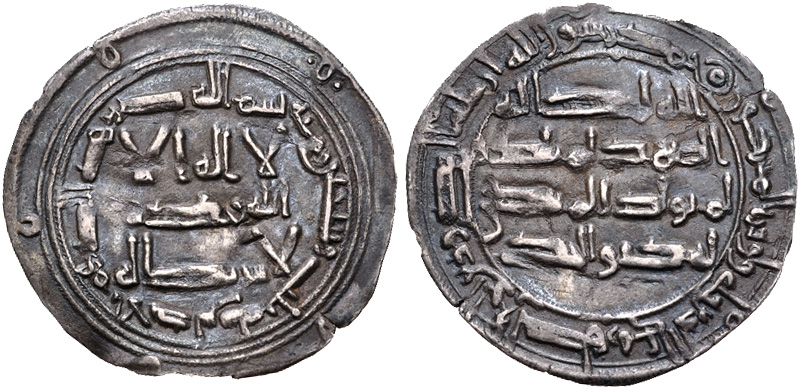
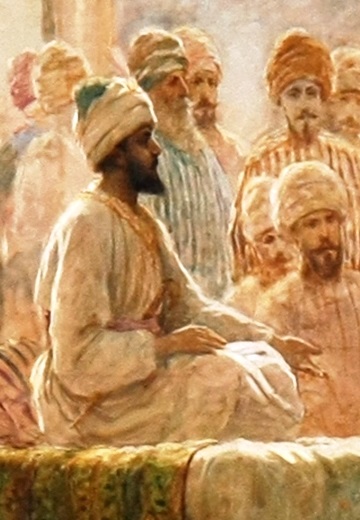
Specialist sources support a connected medieval world in which North Africa, the Sahara, West Africa, and Iberia were not sealed off from each other. Brett and Fentress help with North African and Berber-speaking histories; Levtzion and Hopkins collect translated Arabic testimony about West Africa; Hunwick helps with Timbuktu and Songhay; Fauvelle gives a broader medieval African frame; and Catlos, Kennedy, Glick, and Bennison help keep Iberia and the Maghreb grounded in period-specific scholarship.
What Remains Cautious
Modern identity language can express dignity and belonging, but it cannot replace medieval evidence. A public education source may be useful for understanding what readers are asking; it is not automatically enough to prove a claim about al-Andalus, the Maghreb, or West Africa.
Working Conclusion
The best bridge from Black history into Moorish history is not a bigger slogan. It is a better route: respect the interest, name the evidence, keep Africa's regions distinct, and let readers follow the sources.