
Claim
The Moors Built Everything in Europe
Editorial Summary
Islamic, Christian, Jewish, Roman, local Iberian, and later European builders all shaped the built environment. Moorish and Andalusi influence was real and sometimes substantial, but "built everything in Europe" is a dramatic overreach.
What Documented Sources Say
The historical record supports strong claims about documented influence, transmission, patronage, adaptation, and reuse. It does not support a single-origin theory of European architecture.
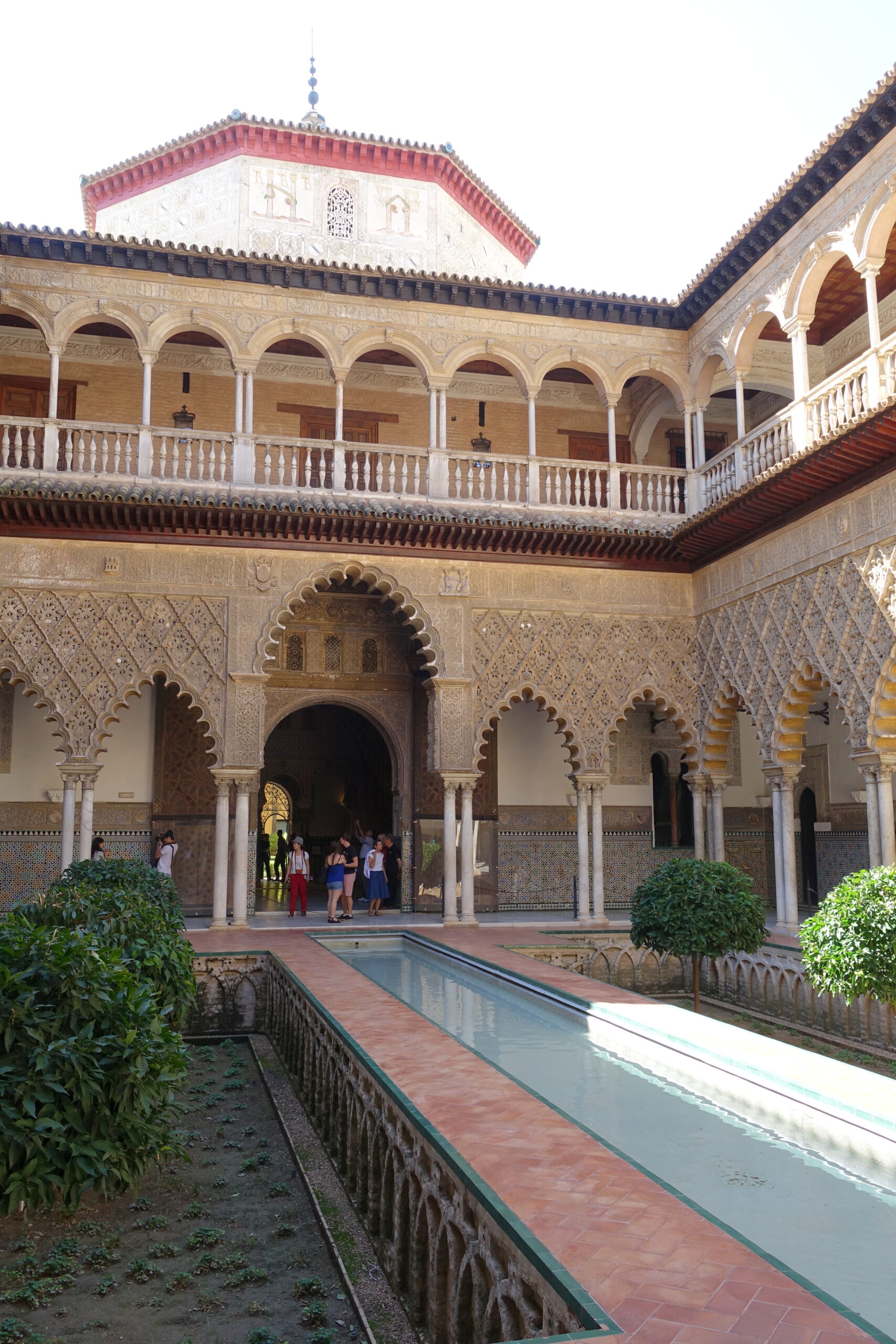
Islamic rule in Iberia produced major buildings, urban forms, decorative systems, hydraulic works, craft traditions, and courtly aesthetics. Later Christian rulers reused structures, employed Muslim and mudéjar artisans, borrowed forms, and built in conversation with Andalusi precedents. Those are important historical facts.
But Europe is not a single architectural lineage, and the built environment of Europe was also shaped by Roman remains, Byzantine influence, local craft traditions, Christian institutions, Jewish communities, regional materials, changing patronage, and many later movements. Influence is not the same thing as sole authorship.
The strongest historical claims here are usually local and specific: this palace reused this structure; this church incorporated this decorative system; this Christian court employed artisans working in an Andalusi-derived style; this technology or building practice moved through identifiable channels.
Why The Claim Appeals To Readers
The claim appeals because architecture is visible. A reader can stand in Seville, Cordoba, Granada, Toledo, or Sicily and immediately sense that Islamic and Andalusi forms mattered. In public argument, admiration often becomes over-attribution because the built evidence feels so concrete.
That instinct starts from something real. The error comes when visible influence gets rewritten as total civilizational authorship.
What Modern Communities May Mean
Modern Moorish, Muurish, Kemetic, esoteric, or identity-centered communities may use claims like this to talk about dignity, ancestry, memory, sovereignty, or cultural recovery. Those meanings should be described respectfully, but they are not the same thing as verified medieval history.
What Is Unproven
The sweeping version remains unproven when it turns influence into exclusivity, or when it uses a few famous monuments as proof of authorship for "everything in Europe."
It is also unproven when restoration history, later imitation, or romantic labeling are mistaken for original construction by the same people in the same period. Buildings often have multiple phases, patrons, and communities layered into them.
Safer Formulation
A stronger sentence would be:
"Moorish and Andalusi builders, patrons, and artistic traditions had major influence on parts of Iberian and Mediterranean architecture, but European building history has multiple origins and cannot be reduced to one source."
Better Historical Question
Which building, which phase of that building, which patrons, and what kind of influence are we actually claiming: design, labor, decoration, engineering, reuse, or later imitation?
That question moves the conversation from spectacle to evidence.
Editorial Verdict
Use a narrower, sourced formulation. Keep the cultural importance visible while refusing to present unsupported claims as documented history.