Why Social History Matters
Moorish history should not be only rulers and monuments. Most people lived through households, streets, markets, fields, workshops, baths, mosques, churches, synagogues, courts, schools, and family networks.
Daily life is harder to reconstruct than dynastic history because many surviving sources are elite, legal, literary, or administrative. That makes evidence framing especially important.
City Life and Infrastructure
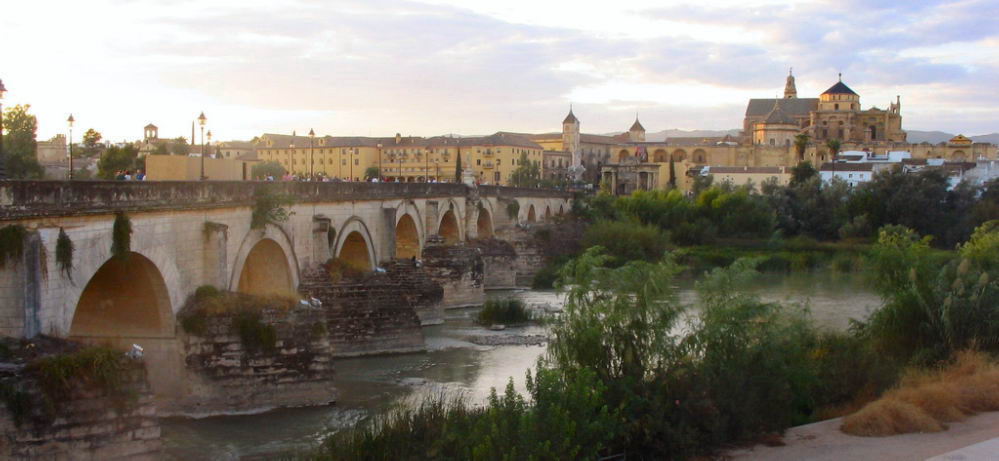
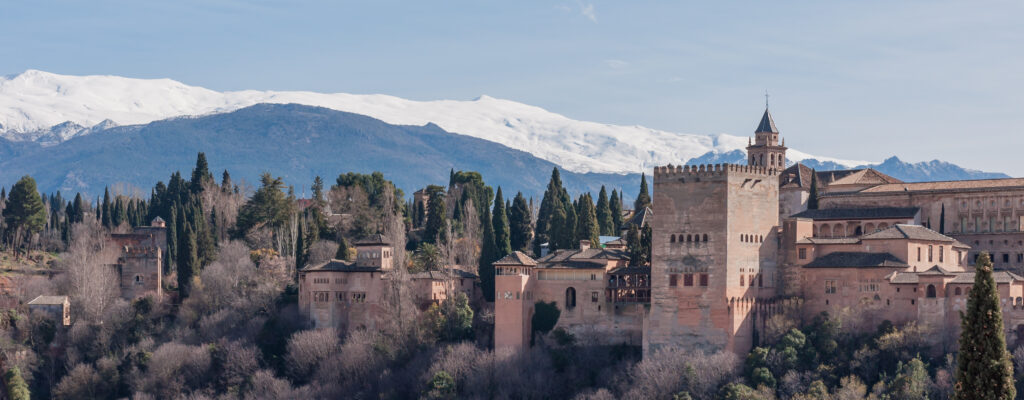
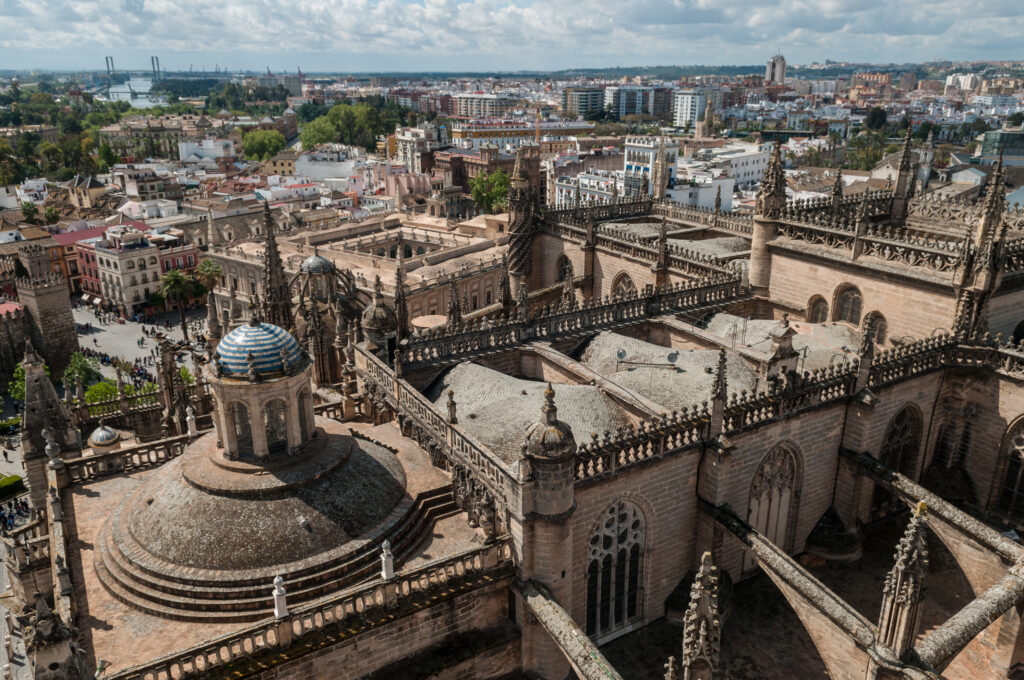
Cities such as Cordoba, Fez, Granada, Seville, and Toledo organized markets, neighborhoods, religious buildings, water systems, workshops, and political authority.
Urban life was not the same everywhere. A court city, frontier town, port, scholarly center, and rural district each produced different experiences.
Food, Agriculture, and Gardens
Agriculture, irrigation, crops, gardens, and foodways are central to social history. They connect labor, landholding, technology, taste, trade, and environmental adaptation.
Garden imagery can become romantic, so it should be tied back to land, labor, water management, elite display, and local ecology.
Law and Lived Practice
Maliki law mattered in the Maghreb and al-Andalus. Judges, scholars, legal opinions, endowments, mosques, and schools shaped public life.
But legal texts are not direct photographs of society. They show norms, disputes, ideals, and institutional reasoning. Lived practice could vary by place, class, ruler, and circumstance.
Religious Communities
Muslims, Christians, and Jews lived in overlapping societies, but not as modern equals. Religious minorities could participate in economic, intellectual, and cultural life while also living under hierarchy and legal limits.
The evidence does not support a pure harmony myth. It also does not support a picture of only constant conflict. Social history has to hold both interaction and inequality.
Women, Class, and Status
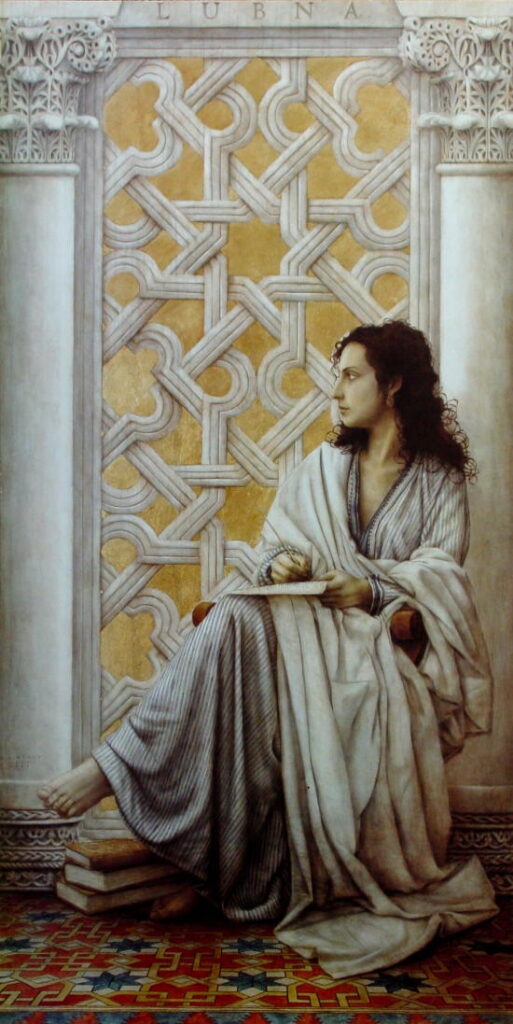
Women appear unevenly in the sources. Elite women, enslaved women, poets, patrons, workers, household managers, and legal subjects appear in different ways. Wallada bint al-Mustakfi and Lubna of Cordoba are important entry points, but they cannot stand in for all women.
Class and status mattered. Elites, artisans, farmers, scholars, enslaved people, freed people, soldiers, and captives did not experience the same society.
Slavery and Coercion
Slavery must be included in the story. It shaped households, labor, military systems, courts, markets, and border economies. It also intersected with gender, religion, war, and trade.
An evidence-first site cannot use "civilization" language to hide coercion.
Culture and Everyday Performance
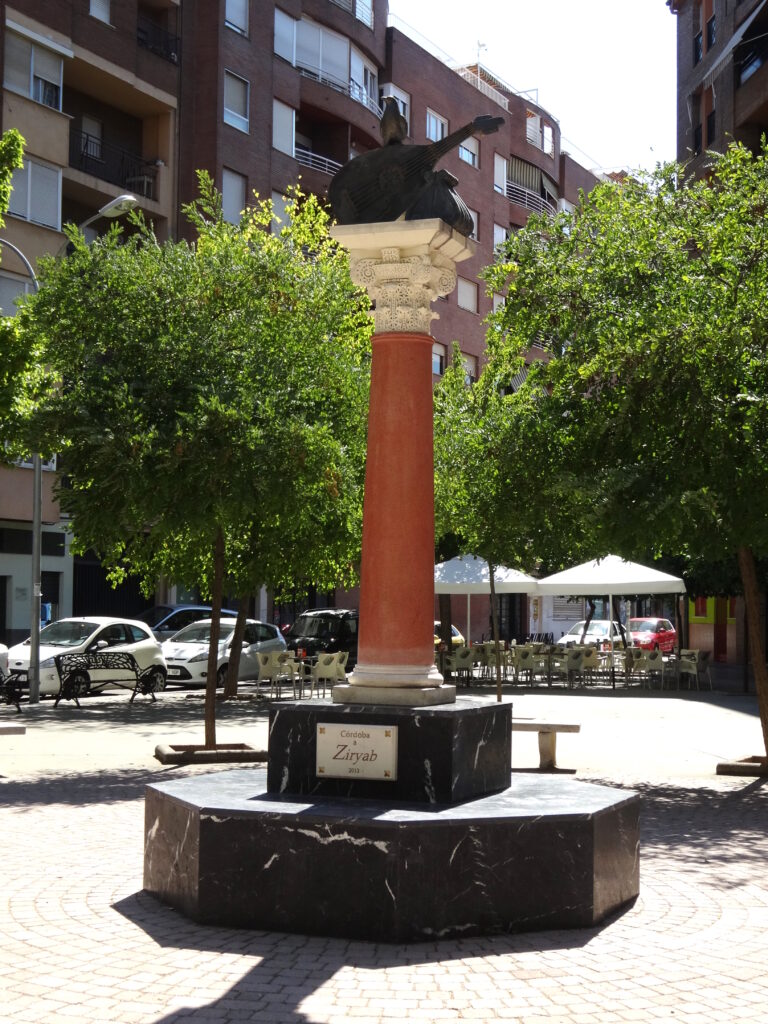
Music, clothing, poetry, manners, food, and courtly style shaped social life. Ziryab is often used as a symbol of refinement, but the stronger history asks how court culture, taste, migration, patronage, and later storytelling shaped his memory.
Evidence Frame
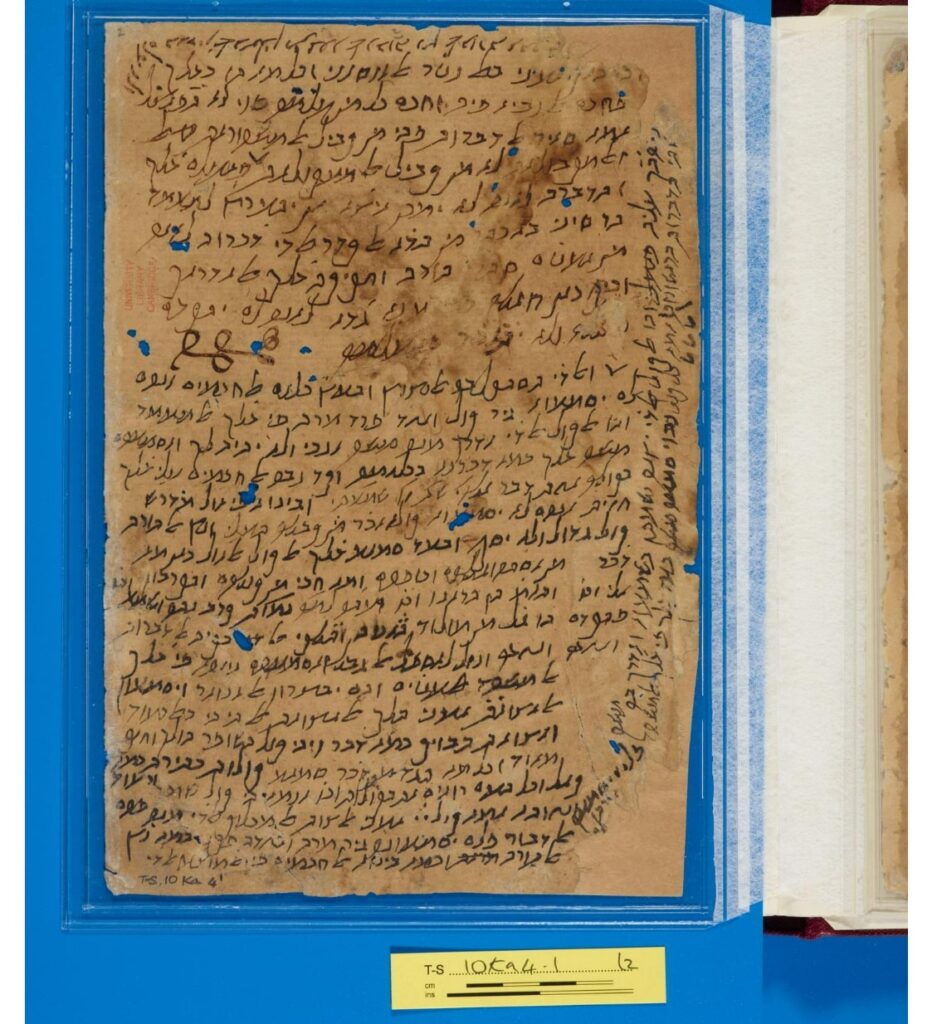
Daily life is reconstructed from legal texts, literary sources, biographical dictionaries, archaeology, objects, architecture, fiscal records, and later scholarship. The sources are uneven, so this topic requires careful language about what is known, likely, debated, or missing.