
Event Summary
Castile captured Cordoba, former capital of the caliphate.
What Happened
In 1236 Ferdinand III of Castile captured Cordoba. The city that had once anchored the Umayyad caliphate came under Christian rule, and its major monuments entered new political and religious contexts.
Cordoba's capture followed the weakening of Almohad authority and the broader thirteenth-century advance of Christian kingdoms. It did not erase the city's earlier layers, but it changed who governed, used, and interpreted them.
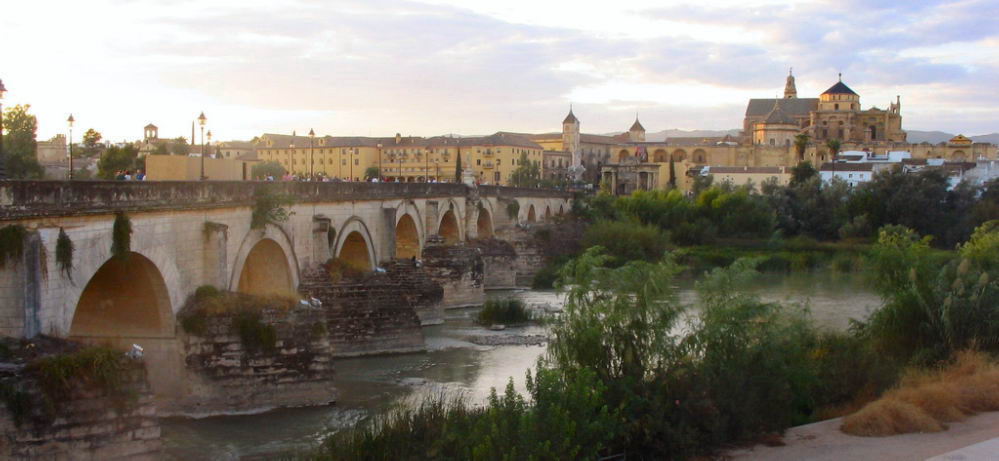
That is the key to reading the event well. Cordoba was not just another city changing hands. It carried the symbolic weight of a former caliphal capital, so its capture had meaning beyond immediate military control. The event therefore belongs to both strategic history and memory politics.
Why It Matters
This event helps readers connect political conquest with heritage afterlives. The Mosque-Cathedral, urban memory, and later debates over naming all depend on the layered history created by this transition.
It also helps prevent a common simplification in beginner narratives. The fall of Cordoba did not mean the earlier city vanished, nor did it leave the old city unchanged under new rulers. What followed was reuse, reinterpretation, and institutional redirection, which is exactly why the city remains so contested in modern public memory.
What Changed
Castilian authority replaced Muslim rule in Cordoba. Religious space, civic administration, elite property, and public memory were reorganized, while parts of the built environment remained visible and reusable.
The shift also reoriented archival and institutional production around new governing priorities. Later narratives about Cordoba are shaped by this transition in who recorded, curated, and interpreted the city.
Readers should therefore treat 1236 as both a political turning point and an archival turning point. After conquest, the city's surviving monuments continued to matter, but increasingly within interpretive systems built by new institutions. That helps explain why later heritage arguments often speak with confidence while still relying on heavily layered evidence.
Evidence Frame
The political change is clear, but heritage claims need precision. A monument's survival does not preserve one untouched meaning; it records building phases, conquest, adaptation, and later interpretation.
This is especially important for Cordoba, where images of the Mosque-Cathedral are constantly asked to carry much larger arguments about coexistence, conquest, identity, or ownership. Strong interpretation narrows the claim, dates the feature, and keeps visible the difference between survival and continuity of meaning.
What This Event Should Teach
This event should teach readers that conquest changes interpretation as well as governance. Cordoba after 1236 remained materially connected to its Islamic past, but the institutions that curated, used, named, and explained that past had changed. That is why the city is so central to debates about Moorish history today.
Related Reading
- The Great Mosque of Cordoba and its building phases.
- Cordoba as caliphal capital and later Castilian city.
- How monuments are presented in modern memory.