Editorial Summary
Women's history in al-Andalus and the Maghreb requires two cautions at once. Do not turn a few famous women into proof that all women enjoyed the same freedom. Do not erase women's agency, learning, patronage, labor, poetry, property, and influence because legal and social norms were restrictive.
The evidence is uneven, but it is not empty. Women appear in literature, biography, legal discussions, family memory, patronage traditions, household life, slavery, and courtly culture.
Law Is Not the Whole Story
Legal norms mattered. Marriage, inheritance, property, testimony, slavery, guardianship, and public behavior were shaped by law and social expectation. But legal texts are not diaries. They show ideals, disputes, categories, and anxieties more clearly than they show every lived relationship.
The phrase "law vs lived reality" is useful because women navigated systems rather than simply existing inside rules on a page.
Famous Women and Their Limits
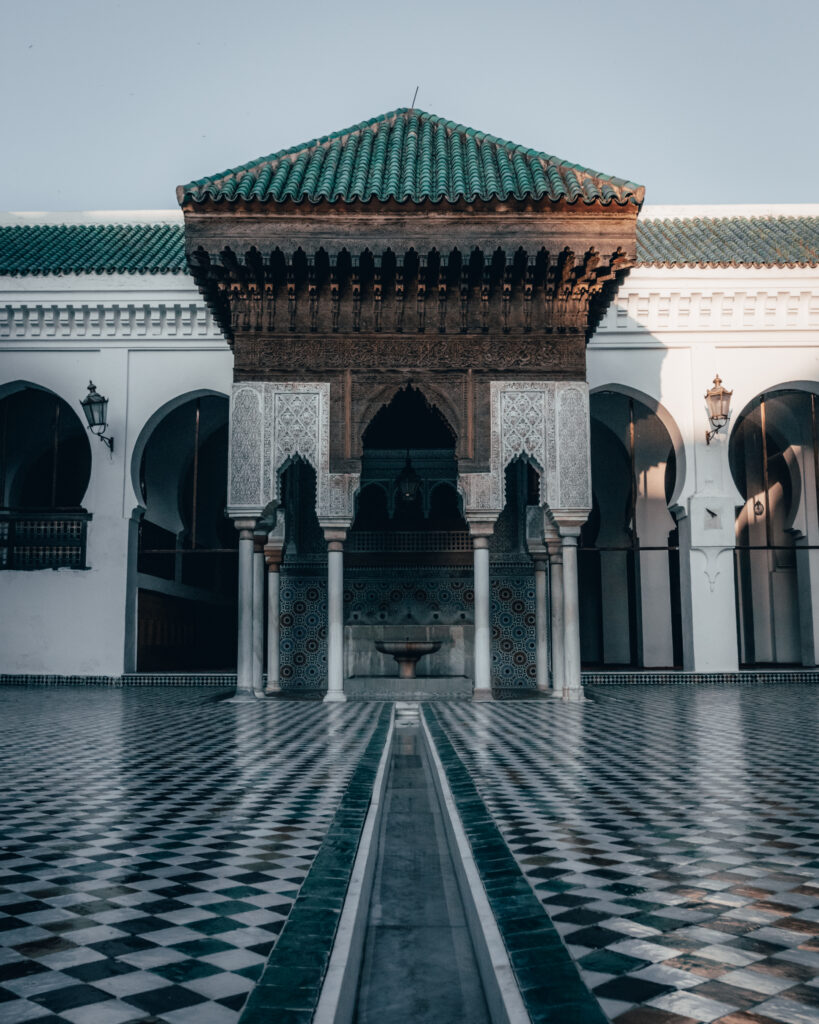
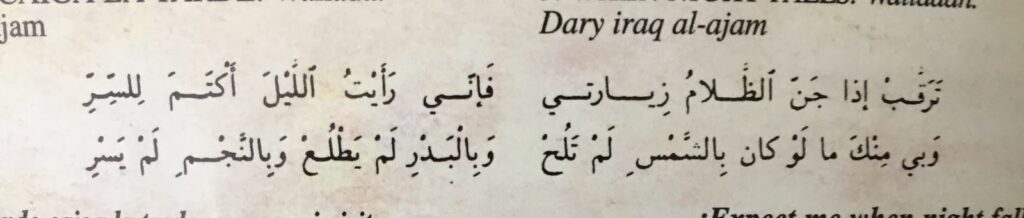
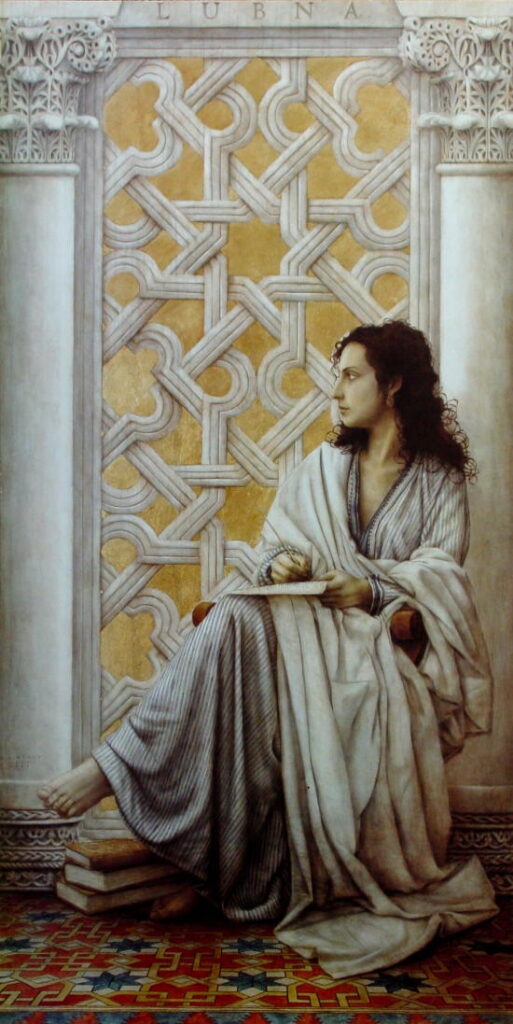
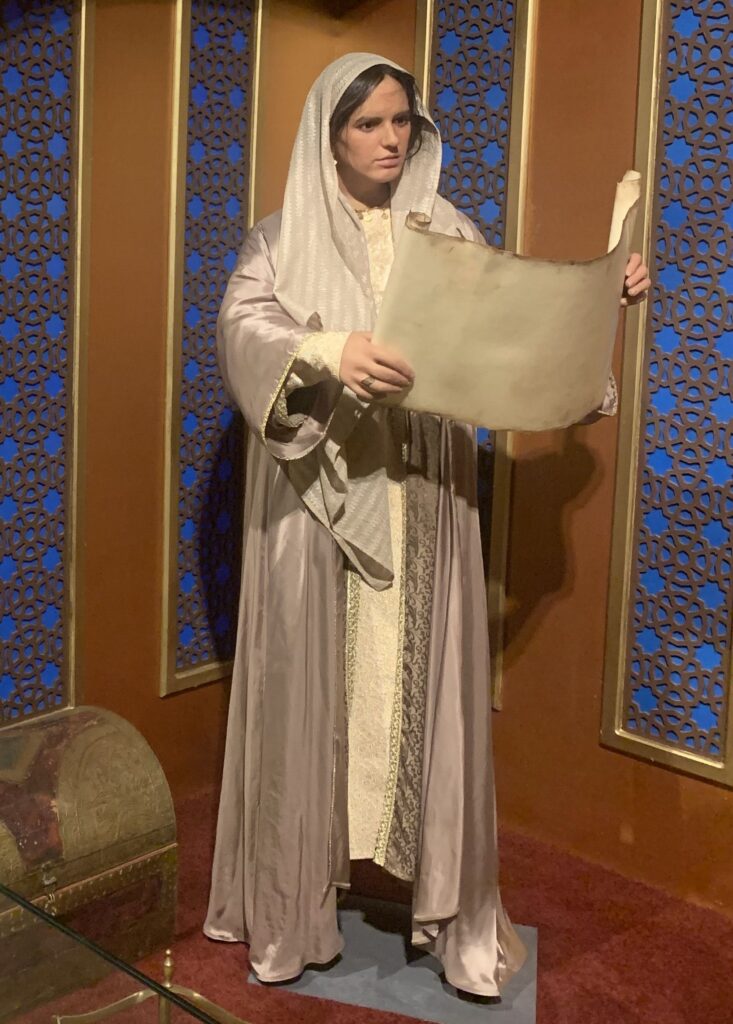
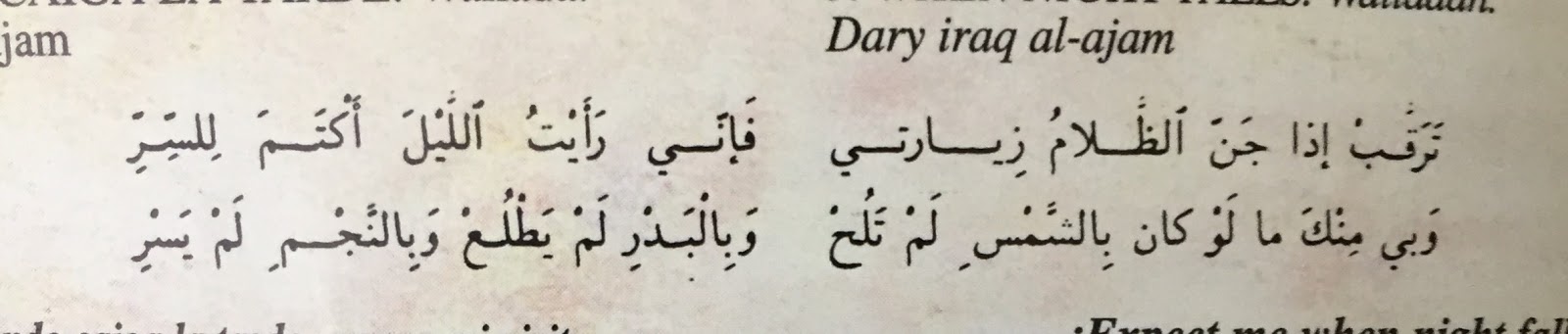
Wallada bint al-Mustakfi and Lubna of Cordoba help readers see women in literary, scholarly, and courtly memory. Fatima al-Fihri matters as a founding figure in the later memory of al-Qarawiyyin, but her story needs source-critical language because the tradition is not the same as a contemporary ninth-century biography.
These figures are valuable, but they are not a demographic sample. Elite women, enslaved women, rural women, artisans, merchants' relatives, scholars' daughters, widows, servants, and court performers did not all leave the same kinds of records.
Work, Household, and Patronage
Women could appear through households, property, marriage alliances, literary circles, service, education, piety, and patronage. Some women's lives are easiest to see when they connect to powerful men or institutions. That does not mean their roles were only symbolic; it means the archive often preserves them through elite pathways.
Enslaved Women
Any honest account must include enslaved women and concubinage. Their presence in courtly and household settings is documented, but their own voices are often hardest to recover. A responsible page names the coercive system without romanticizing court culture.
Reader Method
For claims about women, ask:
- Is the evidence legal, literary, biographical, institutional, material, or later memory?
- Is the woman elite, enslaved, free, urban, rural, learned, domestic, courtly, or unknown?
- Does the source describe a person, a norm, an anecdote, or a later tradition?
- Is a famous woman being used too broadly?
What Sources Let Us Say
The sources let us identify documented women, legal frameworks, literary memory, institutional traditions, and some forms of agency. They are weaker for reconstructing ordinary women's interior lives and daily speech.
Working Conclusion
Women's history makes Moor History Center better when it is specific. The goal is not to prove a modern slogan; it is to recover what can be responsibly said and clearly label what remains uncertain.
Sources and Further Reading
- Menocal, Scheindlin, and Sells. The Literature of Al-Andalus
- Glick, Thomas F. Islamic and Christian Spain in the Early Middle Ages (2nd ed.)
- Catlos, Brian A. Kingdoms of Faith
- Harvey, L. P. Islamic Spain, 1250 to 1500
- Arié, Rachel. L'Espagne musulmane au temps des Nasrides
- Tazi, Abdelhadi. Jami' al-Qarawiyyin