How to Read the Timeline
Al-Andalus was not one unchanging society. It moved through conquest, settlement, emirate rule, caliphal power, civil war, taifa politics, Maghrebi dynasties, Christian expansion, Nasrid survival, conquest, forced conversion, revolt, repression, and expulsion.
The safest way to start is not to memorize every date. Start by learning what each turning point changed and what it did not change.
711: Crossing and Conquest Traditions
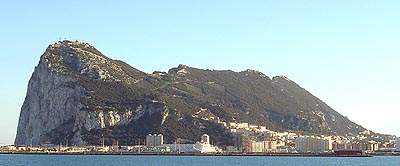
The 711 crossing associated with Tariq ibn Ziyad, Musa ibn Nusayr, Gibraltar, and the battle often called Guadalete begins the standard timeline of Muslim rule in Iberia. The event matters, but later sources shape the details.
Strong claims should separate the broad turning point from dramatic speeches, exact numbers, and simplified origin stories. Start with Conquest and Consolidation.
756: The Umayyad Emirate
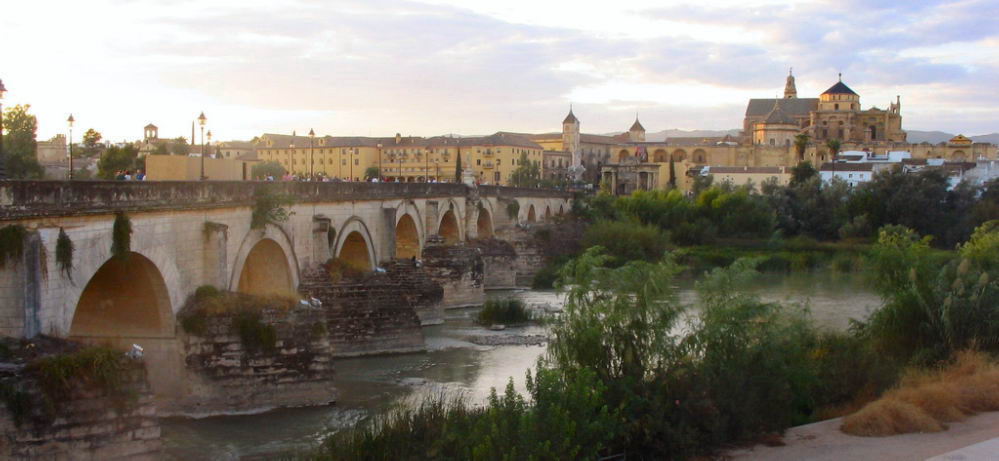
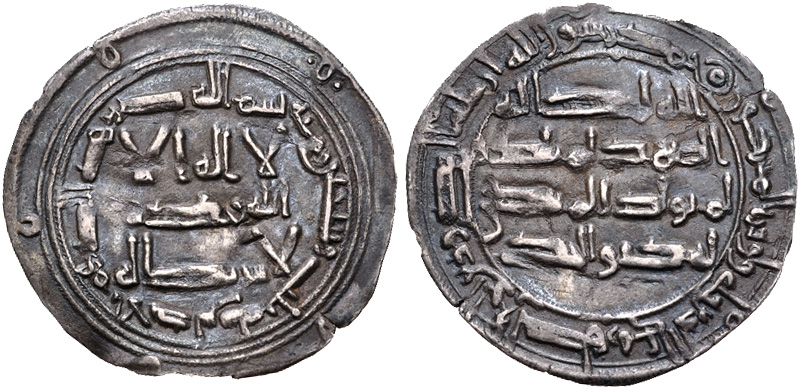
In 756, Abd al-Rahman I established the Umayyad emirate in Cordoba after the Abbasid revolution ended Umayyad rule in the eastern Islamic world. This gave al-Andalus a durable political center.
The emirate did not erase local conflict or regional difference. It did create a stronger ruling framework for later Cordoban power.
929-1031: Caliphate, Power, and Collapse
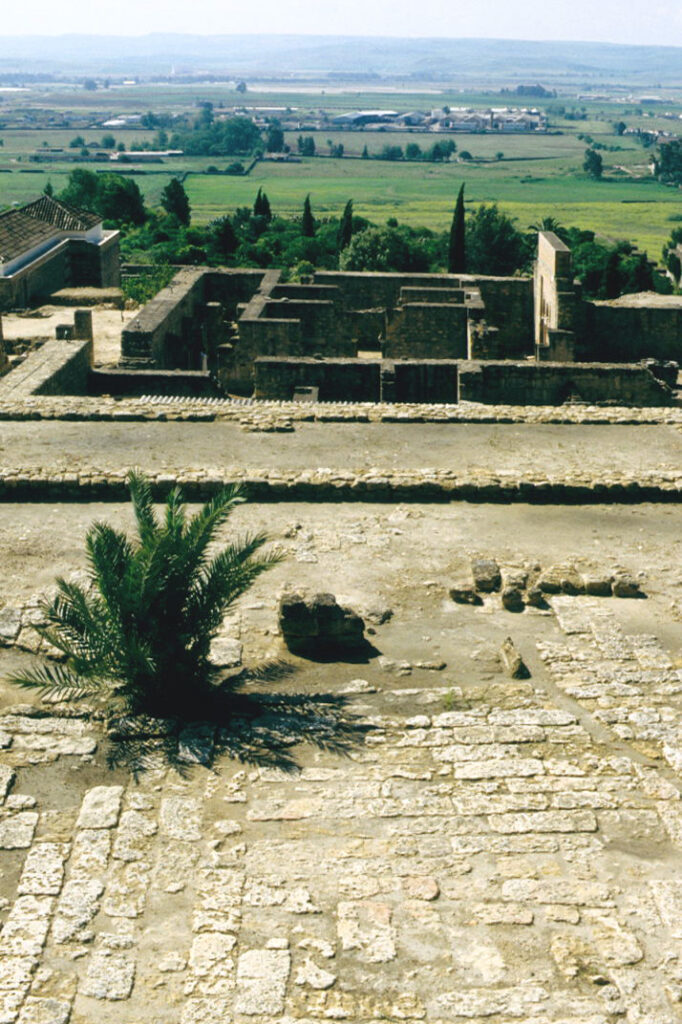
The 929 proclamation of the Caliphate of Cordoba marked a new claim to sovereign religious and political authority. Abd al-Rahman III, al-Hakam II, Madinat al-Zahra, libraries, diplomacy, and court culture belong in this phase.
The same phase also led toward tension. The power of al-Mansur, factional conflict, and the 1009-1031 fitna helped break the caliphate. In 1031, the caliphate was abolished and taifa politics became central.
Taifa Politics and Christian Expansion
The taifa period was not simply weakness. It included patronage, diplomacy, rivalry, tribute, military competition, and cultural production. But the fragmentation of power changed the balance with Christian kingdoms.
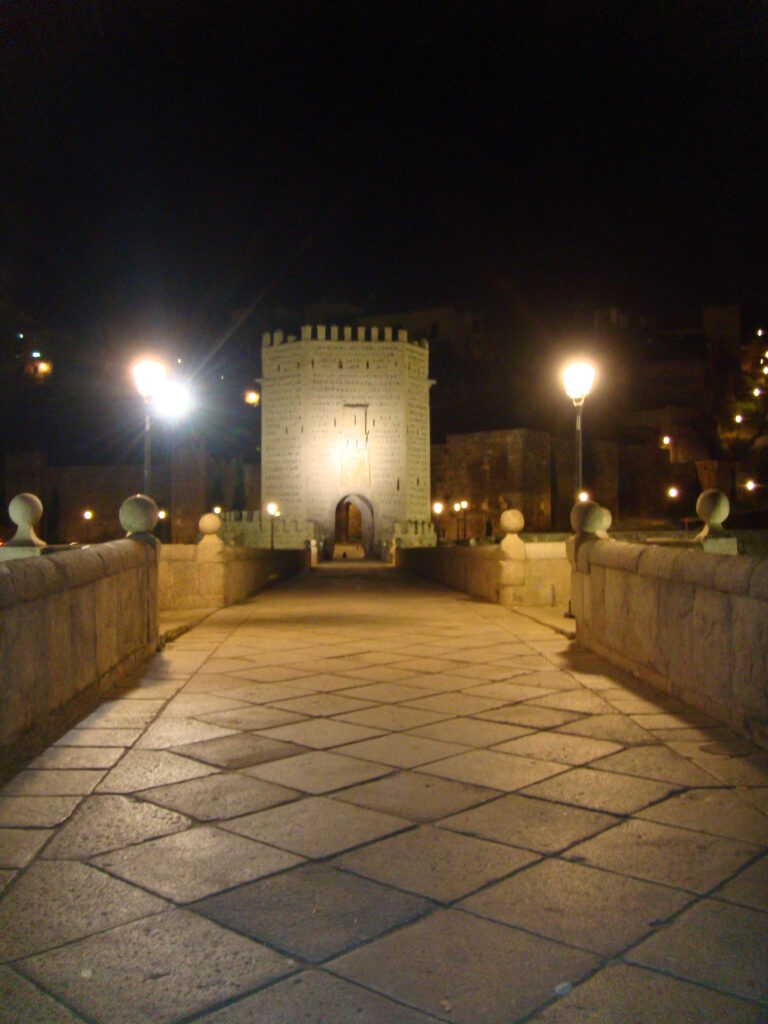
The capture of Toledo by Castile in 1085 was a major turning point. It shifted politics and helped open the way for Almoravid intervention from the Maghreb.
Almoravids and Almohads
The Almoravids and Almohads connect al-Andalus directly to Maghrebi imperial history. Yusuf ibn Tashfin and the 1086 battle of Sagrajas/Zallaqa belong to the Almoravid phase. Almohad power later reshaped the western Islamic world from Marrakesh into Iberia.
These dynasties should not be treated as foreign interruptions only. They were part of the western Islamic political world, even though Andalusi elites could experience their rule in different ways.
1212, 1236, 1248: Shifts in Christian Power
The battle of Las Navas de Tolosa in 1212 is often treated as a dramatic turning point. It mattered, but it should be placed inside a longer pattern of military, fiscal, dynastic, and territorial change.
The capture of Cordoba in 1236 and Seville in 1248 further changed the map. Muslim-ruled al-Andalus narrowed, while Muslim, Jewish, and Christian communities navigated new legal and social conditions under changing rulers.
Nasrid Granada and 1492
The Nasrid emirate, founded in 1232, survived through diplomacy, tribute, frontier politics, internal competition, and strategic geography. Granada and the Alhambra became central to later memory because they preserve powerful material and symbolic evidence.
The 1491-1492 surrender of Granada ended Muslim rule there. It did not instantly erase Muslim communities, Arabic-speaking practices, architecture, craft, memory, or political consequences.
Forced Conversion and Morisco History
The post-1492 story is essential. Forced conversion decrees in Castile and Aragon, the War of the Alpujarras, and the 1609-1614 expulsion of the Moriscos are not an appendix. They shape how Moorish history is remembered, politicized, and debated.
Use care with terms. Mudejar, Morisco, Andalusi, Moor, Muslim, convert, exile, and descendant do not mean the same thing.
What This Timeline Does Not Prove
This timeline does not prove that Spain was uniformly Muslim for 700 years, that every Iberian Muslim was African, or that al-Andalus was either pure harmony or only conflict. It gives a structure for asking better questions.