Editorial Summary
The Almoravids and Almohads made the Maghreb central to the history of al-Andalus. They were not interchangeable dynasties and not merely outsiders arriving in Iberia. Each movement had its own North African base, reform message, military structure, and imperial horizon.
Why Maghrebi Rule Matters
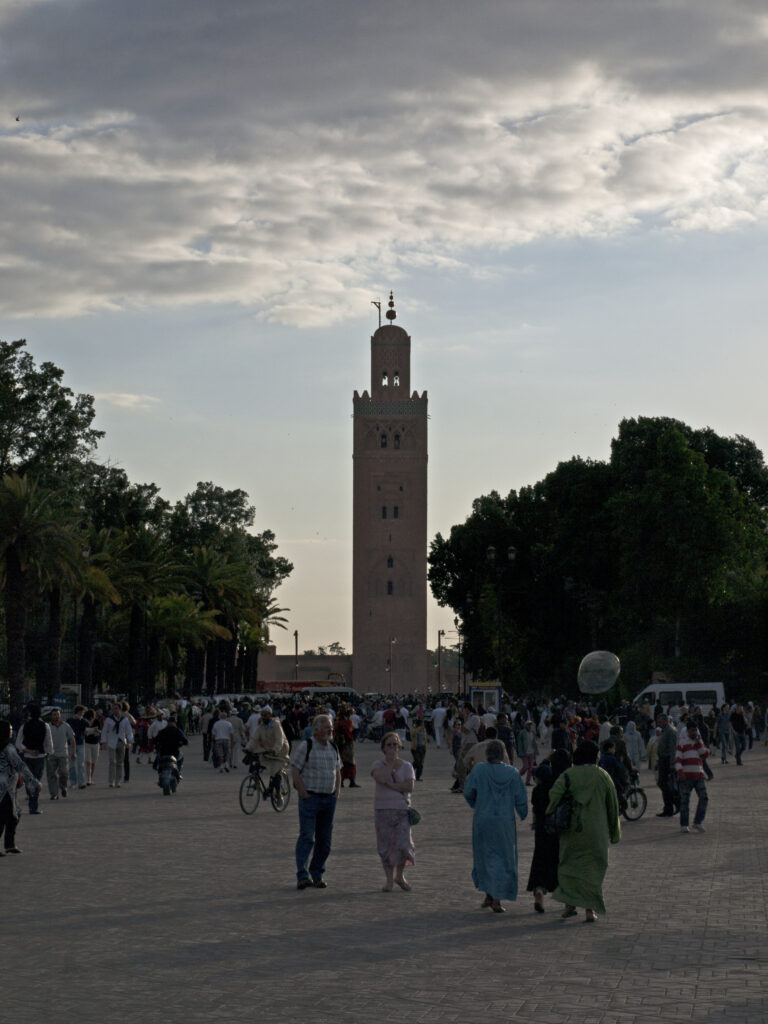
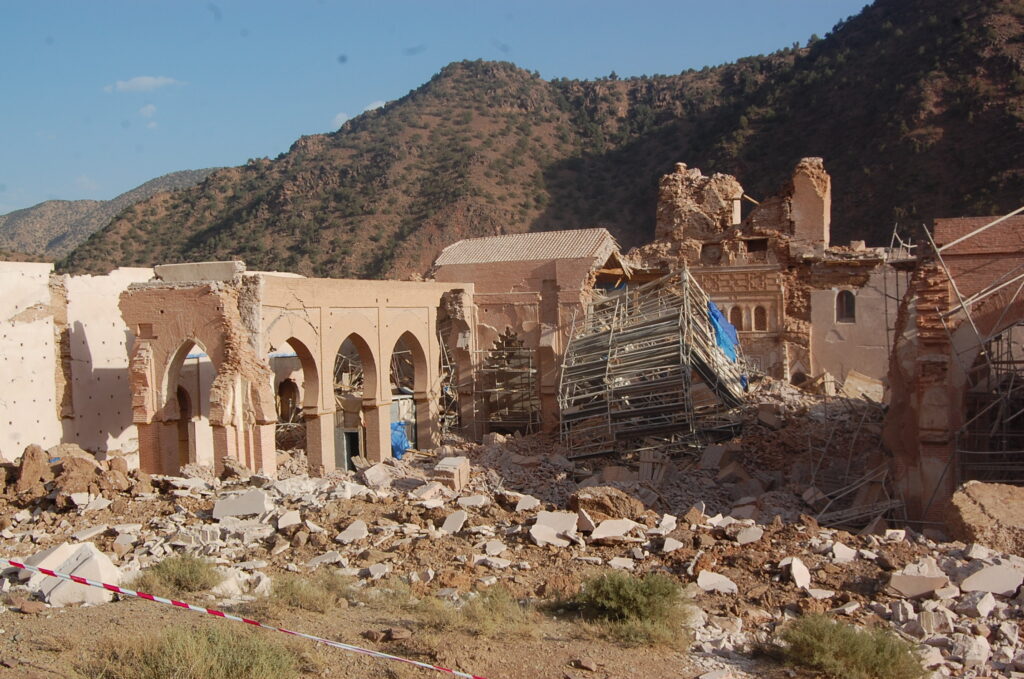
Earlier al-Andalus was linked to North Africa, but the Almoravid and Almohad periods made that connection politically decisive. Marrakesh, Tinmal, Saharan routes, reformist religious claims, and imperial administration shaped what happened in Iberia.
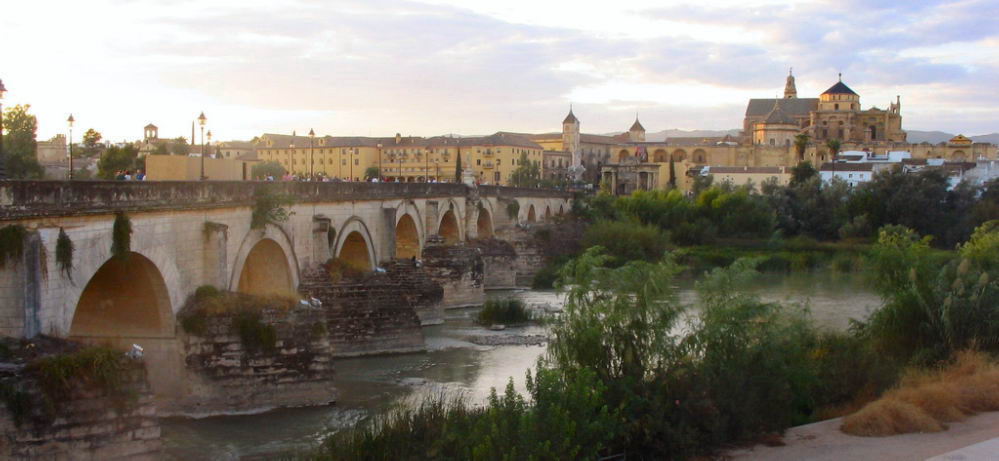
This is why Moor history cannot be told only from Cordoba or Granada. The story crosses the Strait of Gibraltar repeatedly.
Almoravids
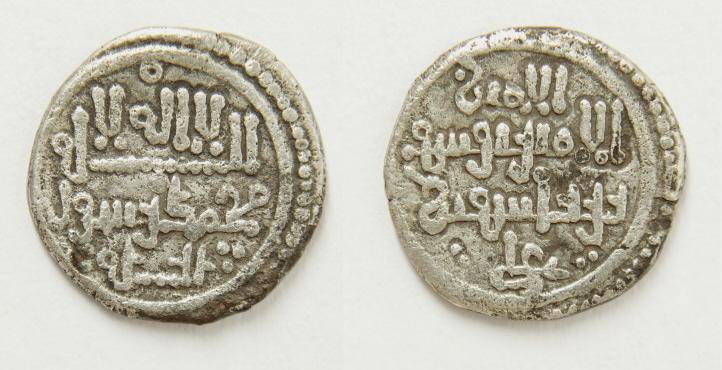
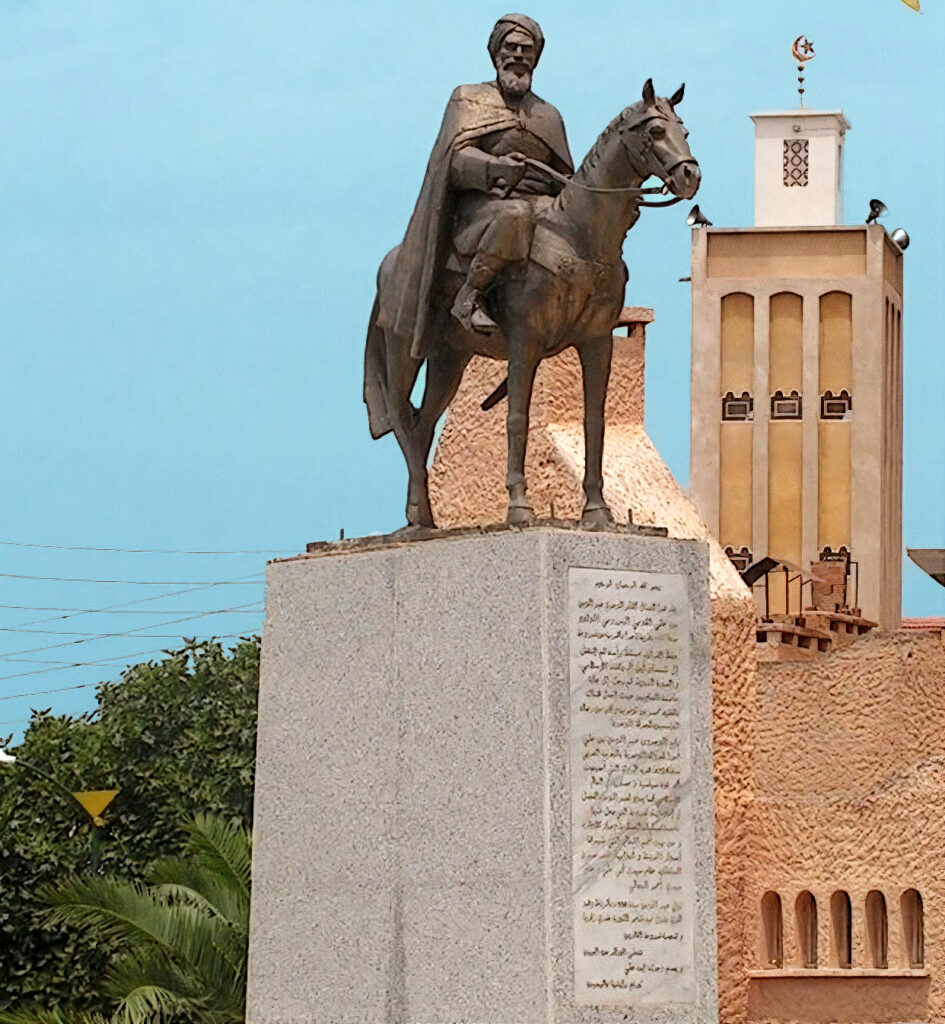
The Almoravids emerged from western Saharan and Maghrebi contexts. Yusuf ibn Tashfin's intervention after the taifa crisis and the battle of Sagrajas helped shift Iberian politics toward Maghrebi imperial rule.
Their takeover of the taifas was not simply a rescue story or a conquest story. It involved religious authority, military pressure, political legitimacy, and tension with local Andalusi elites.
Almohads
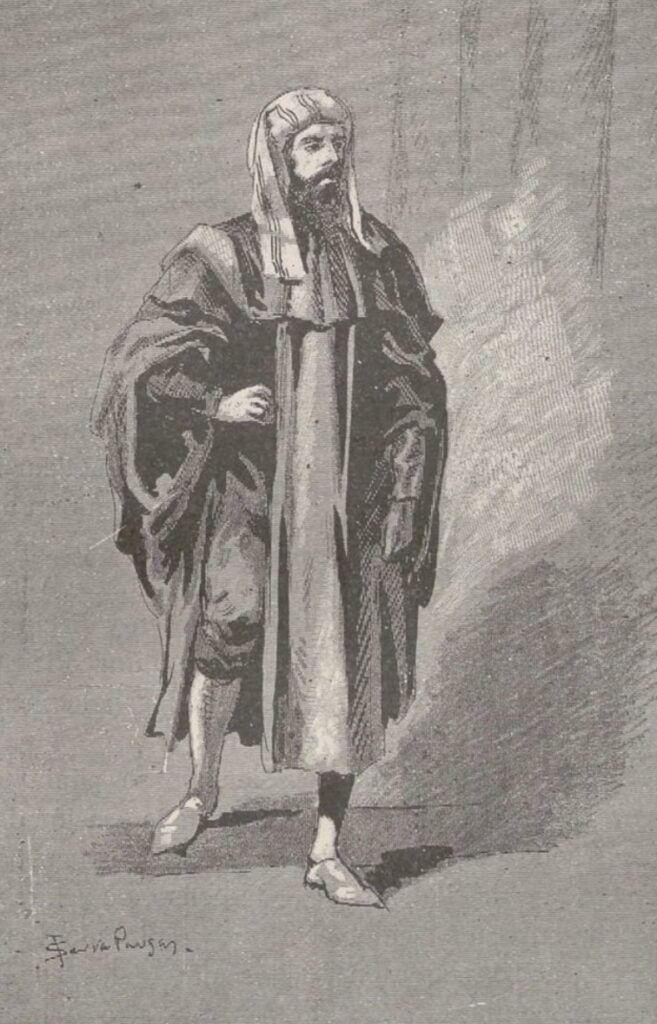
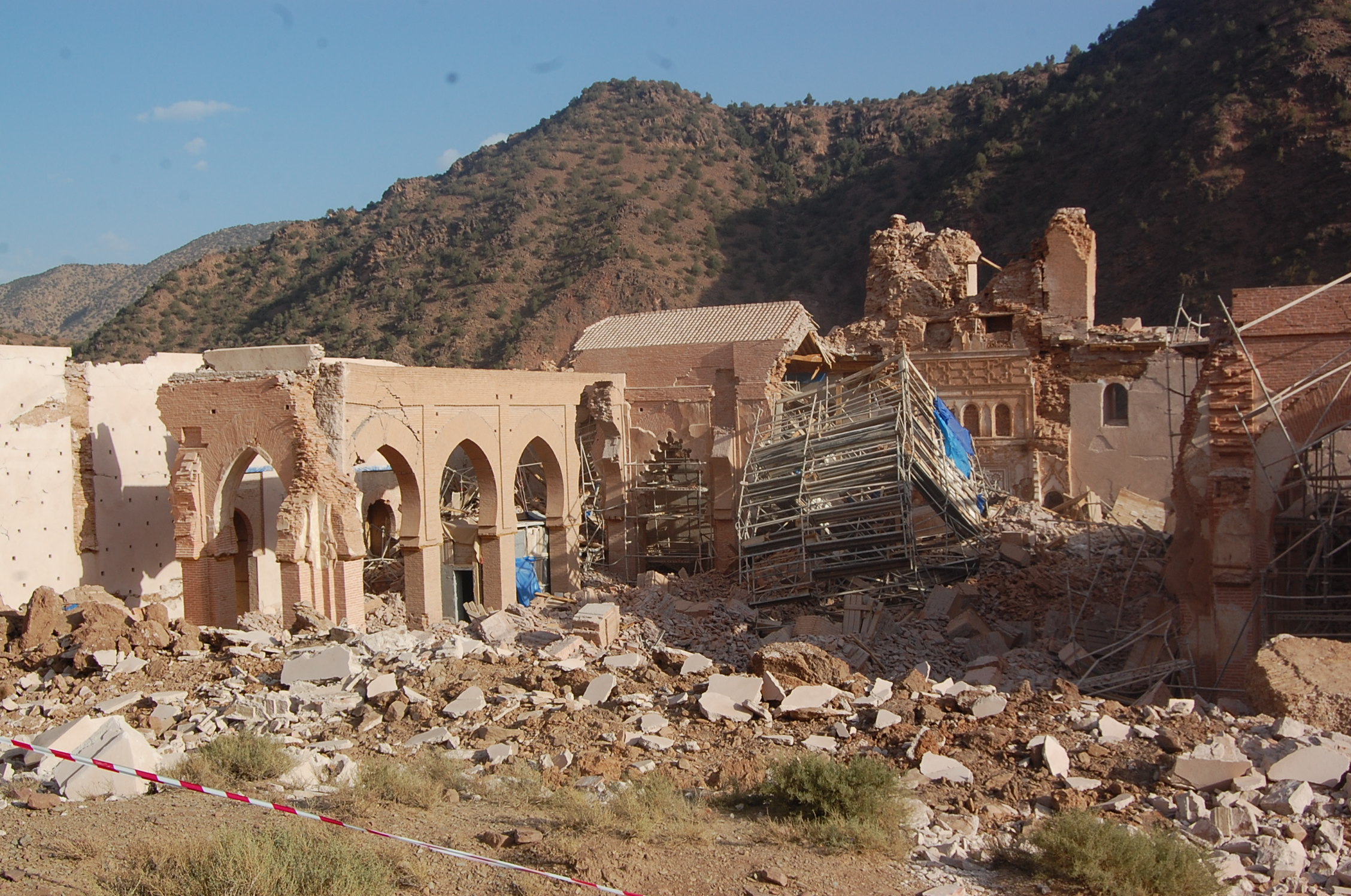
The Almohads grew from a different reform movement associated with Ibn Tumart and later imperial expansion under rulers such as Abd al-Mumin. Their world included Tinmal, Marrakesh, North African administration, Iberian cities, and monumental architecture.
The Almohads replaced Almoravid power, but they did not simply repeat it. Their doctrine, political structure, and imperial claims differed.
Iberian Consequences
Maghrebi rule affected battles, taxation, religious authority, urban politics, architecture, and relations with Christian kingdoms. It also changed the place of Andalusi elites, who had to navigate imperial authority from across the strait.
The battle of Las Navas de Tolosa in 1212 marked a major blow to Almohad power, though its consequences unfolded over time rather than in one instant.
Working Conclusion
The Almoravid and Almohad periods are essential because they make the Maghreb visible as a center of power. They also remind readers to name the dynasty and movement rather than using "Moorish" as a generic label.