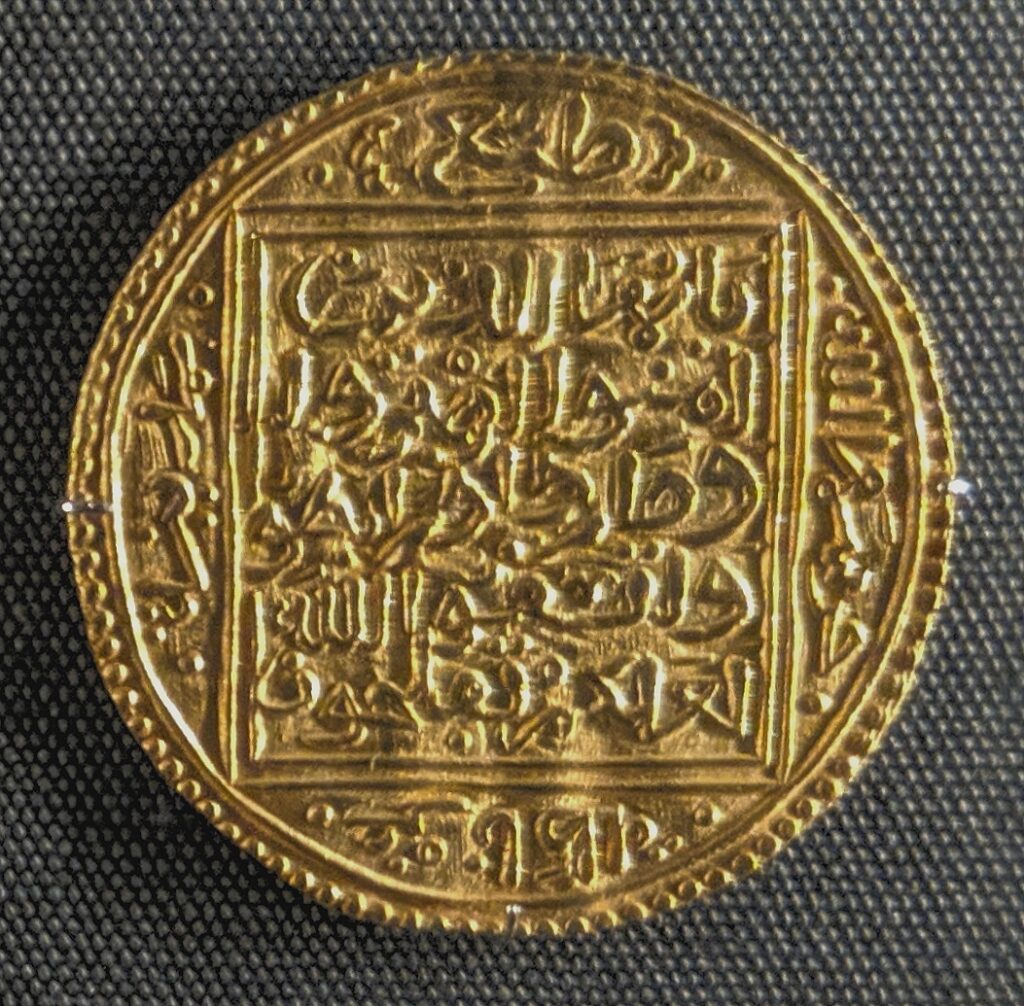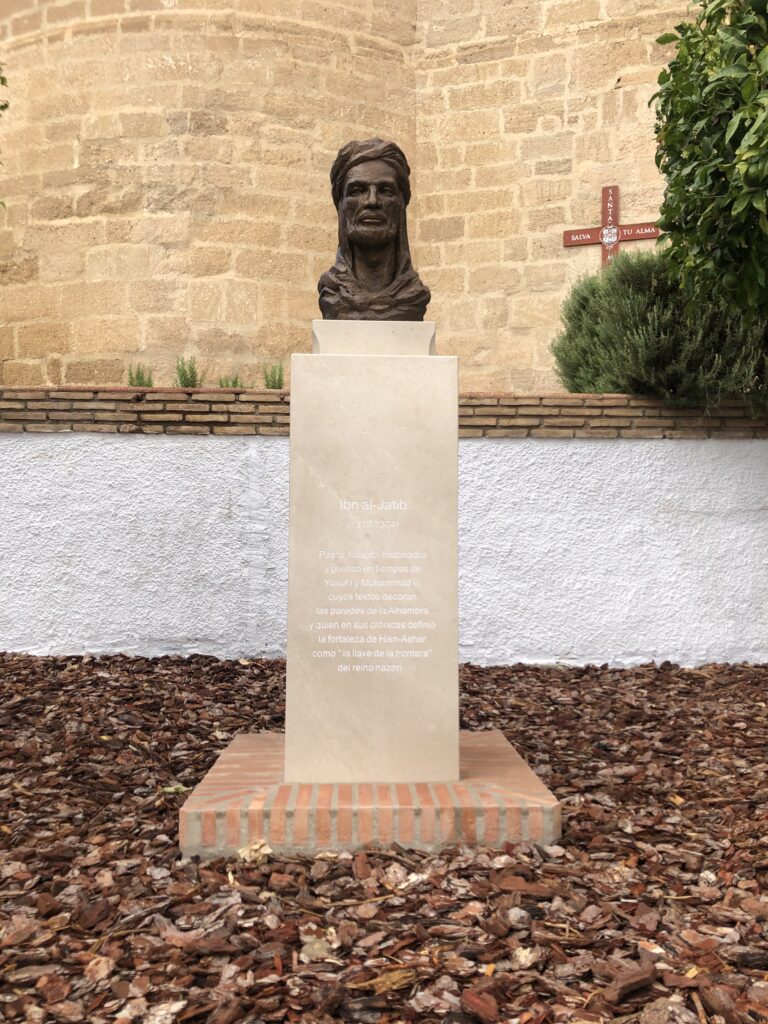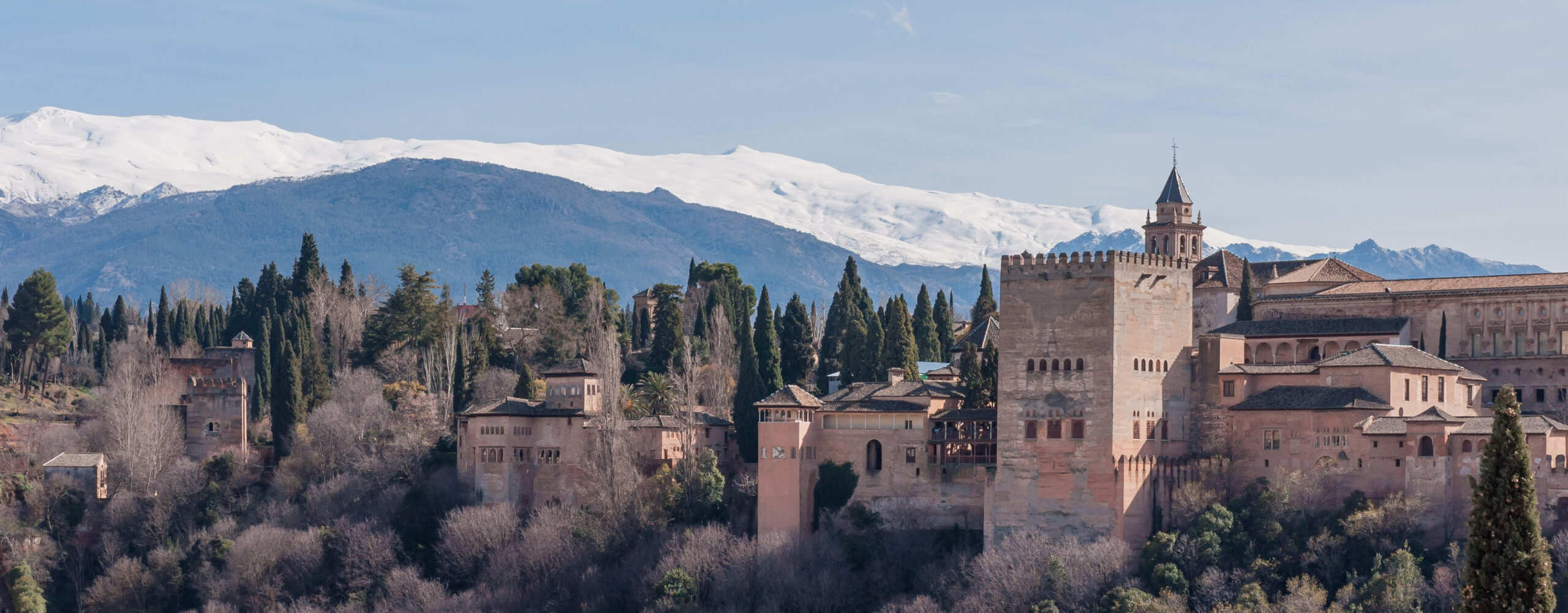
Editorial Summary
1492 and After: What Changed (and What Didn't) Immediately introduces a core part of Moorish and Andalusi history with careful terminology, chronology, and source-aware limits.
What This Page Establishes
This page gives readers a stable frame for 1492 and After: What Changed (and What Didn't) Immediately. It defines the topic, names the evidence problem, and shows how the subject connects to people, places, events, claims, and sources elsewhere in Moor History Center.
Historical Context
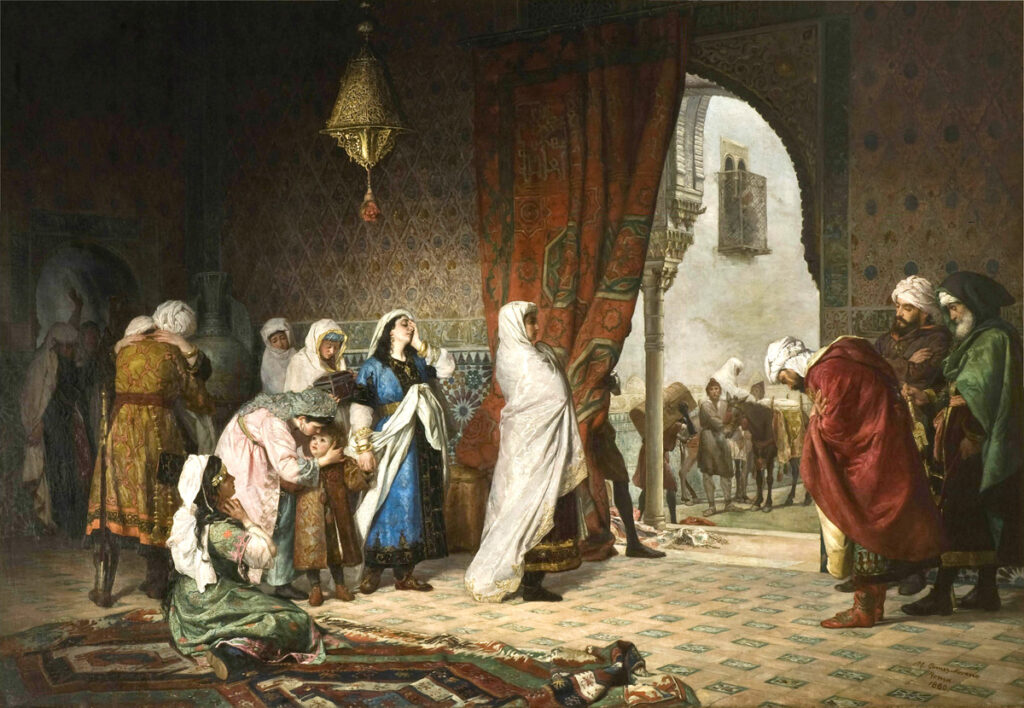
This topic tracks the afterlives of al-Andalus and the Maghreb after conquest, conversion, expulsion, tourism, nationalism, and modern identity-making. The core question is not whether a single label can explain everything, but how power, geography, language, religion, and memory changed across time.
Evidence Frame
Legacy pages should separate documented continuity, later adaptation, romantic memory, and modern political use. The best reading strategy is to compare source genre, date, author position, and later reuse before drawing broad conclusions.
What to Ask While Reading
- What changed immediately?
- What survived in altered form?
- Who is making the modern claim and why?
What Sources Let Us Say
The sources let us describe patterns, institutions, events, and terms with reasonable confidence when the claim is limited to a specific context. They are weaker when asked to prove sweeping statements about all Moors, all Muslims, all Iberians, or all later cultural survivals.
What Remains Cautious
Many surviving texts were written by elites, polemicists, administrators, jurists, chroniclers, or later historians. That means ordinary people, women, enslaved people, rural communities, and minority voices can be harder to see. Where the record is uneven, this page avoids pretending certainty.
Working Conclusion
1492 and After: What Changed (and What Didn't) Immediately belongs in a layered history. The most useful conclusion is specific: name the century, location, community, and type of evidence before making a claim.