Editorial Summary
The taifa period began after the Cordoban caliphate broke apart. Regional rulers built courts, fought rivals, paid tribute, sponsored writers and builders, and negotiated with both Muslim and Christian powers.
Why the Taifa Period Matters
The taifa period is easy to flatten. Some summaries treat it as decline because central authority collapsed. Others treat it as a cultural high point because regional courts sponsored poetry, architecture, and scholarship. Both are partial.
The stronger reading holds both truths together: political fragmentation and cultural production happened in the same world.
Political Fragmentation
After 1031, cities and regions such as Seville, Zaragoza, Toledo, Badajoz, Valencia, and others became centers of power. These rulers competed for legitimacy, military advantage, scholars, poets, artisans, and diplomatic leverage.
Fragmentation did not mean isolation. Taifa rulers negotiated, fought, paid tribute, hired forces, and made practical alliances across religious lines when it served political survival.
Patronage and Display
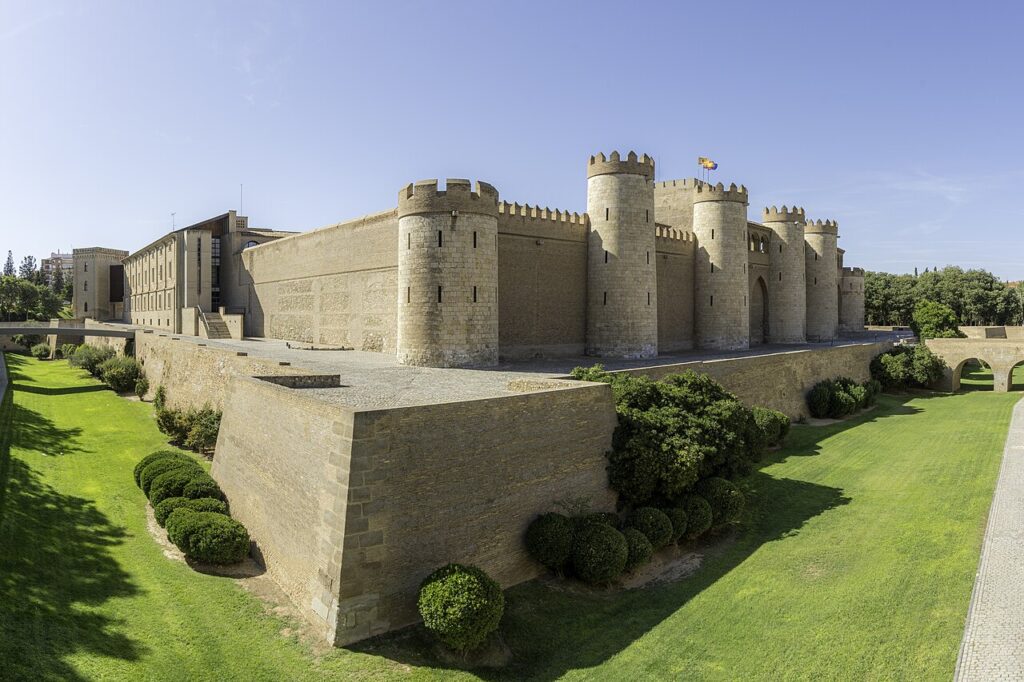
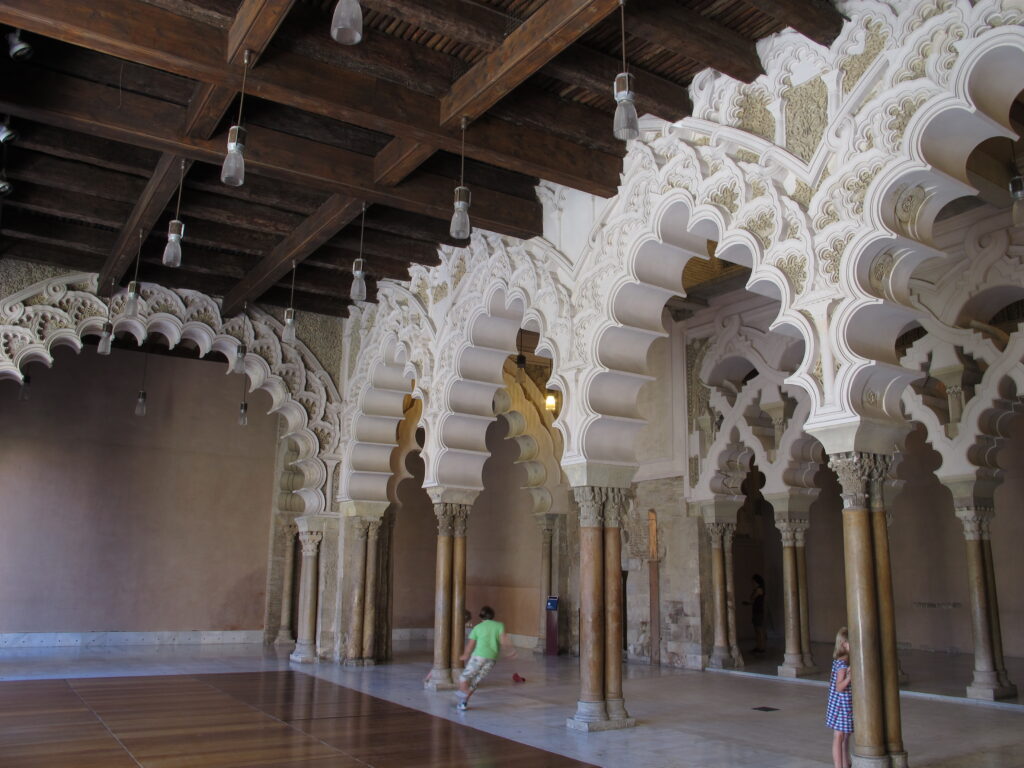
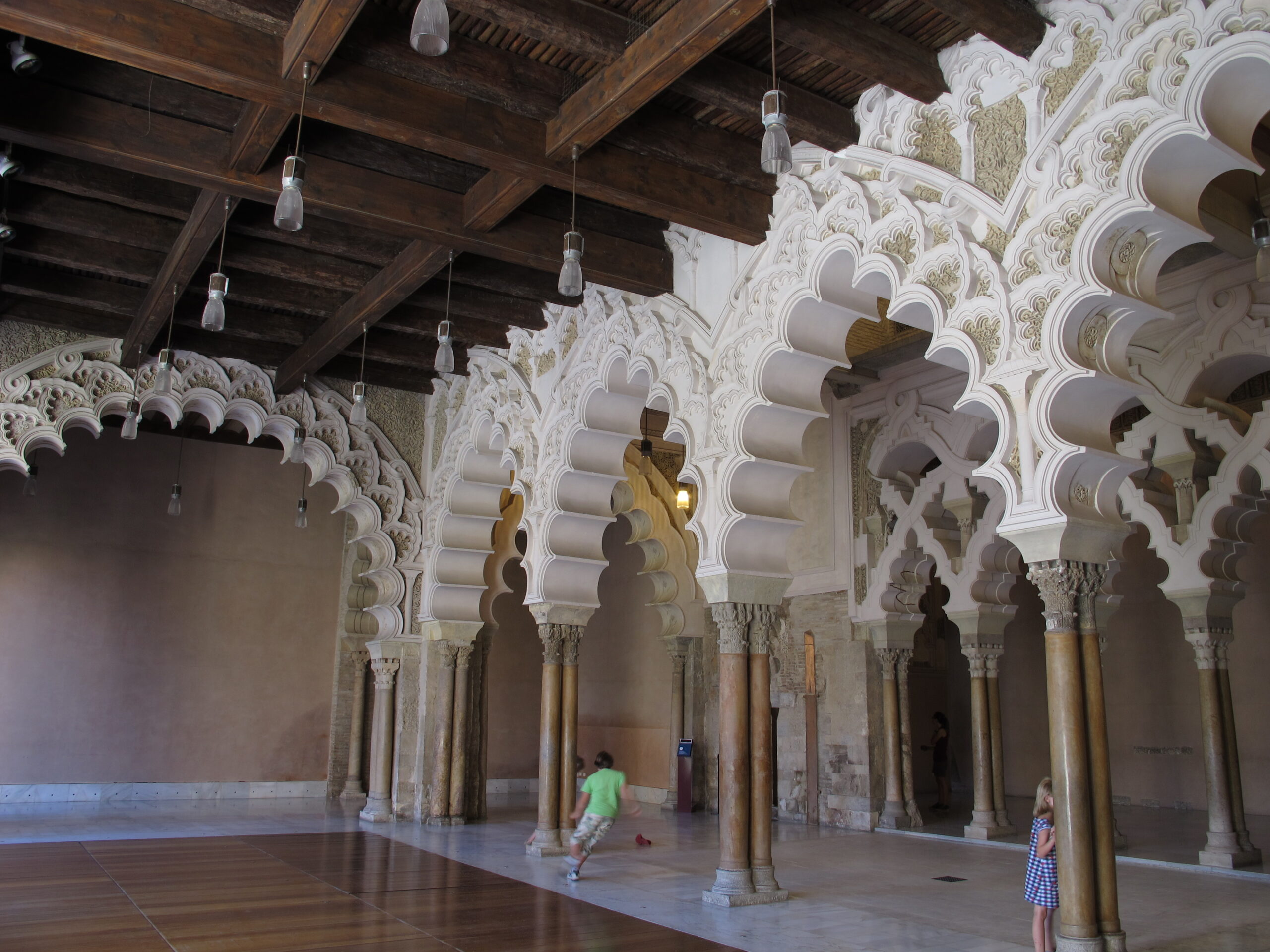
Taifa courts used culture as power. Poetry, scholarship, architecture, and luxury display helped rulers compete symbolically as well as militarily. The Aljaferia in Zaragoza gives readers a visible reminder that taifa politics also produced major artistic settings.
Pressure from Christian Kingdoms
The fall of Toledo in 1085 was a major turning point. It showed how vulnerable taifa states could be and helped set the stage for the Almoravid intervention. The battle of Sagrajas in 1086 then marked a major Maghrebi military response to the changing balance of power.
What to Watch For
Avoid describing the taifa period as if every ruler, city, or community shared one experience. Local politics varied. Some courts prospered; others struggled. Tribute payments, alliances, and cultural patronage looked different from place to place.
Working Conclusion
The taifa period was a world of regional ambition. It was unstable, creative, vulnerable, and politically inventive at the same time.