Evidence Status: Verified History
Evidence Labels
Use these labels to separate established history, scholarly interpretation, modern identity claims, and claims that still need stronger source review.
- Verified HistorySupported by stable historical evidence or specialist consensus.
- Scholarly DebateSupported enough to discuss, but interpretation or emphasis remains debated.
- Modern Identity ClaimUseful for tracking modern usage, but not the same as medieval evidence.
- Unsupported / Needs EvidenceRequires stronger sourcing before it should be repeated as history.
Find Your Way In
Claims
Check common public claims against evidence, source limits, and editorial verdicts.
Topics
Follow themes like architecture, terminology, law, trade, and myth checking.
Regions
Browse by geography, including al-Andalus, the Maghreb, Iberia, and wider connected regions.
Eras
Move through the record by century, dynasty, and major historical period.
-
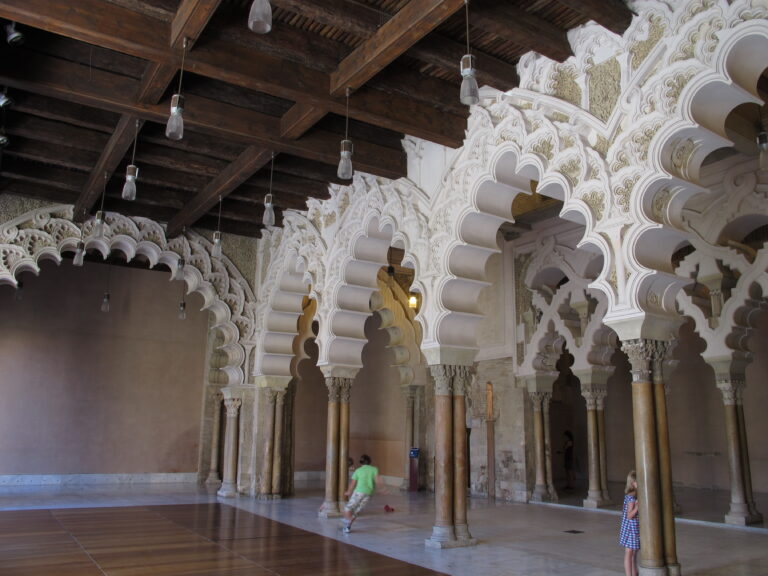
Moorish
A modern English adjective often used for art, architecture, culture, or historical influence associated with Muslim Iberia and North Africa.
-
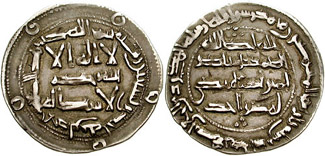
Jizya
A tax associated with certain non-Muslim communities under Islamic rule, commonly discussed alongside protected status and state finance.
-
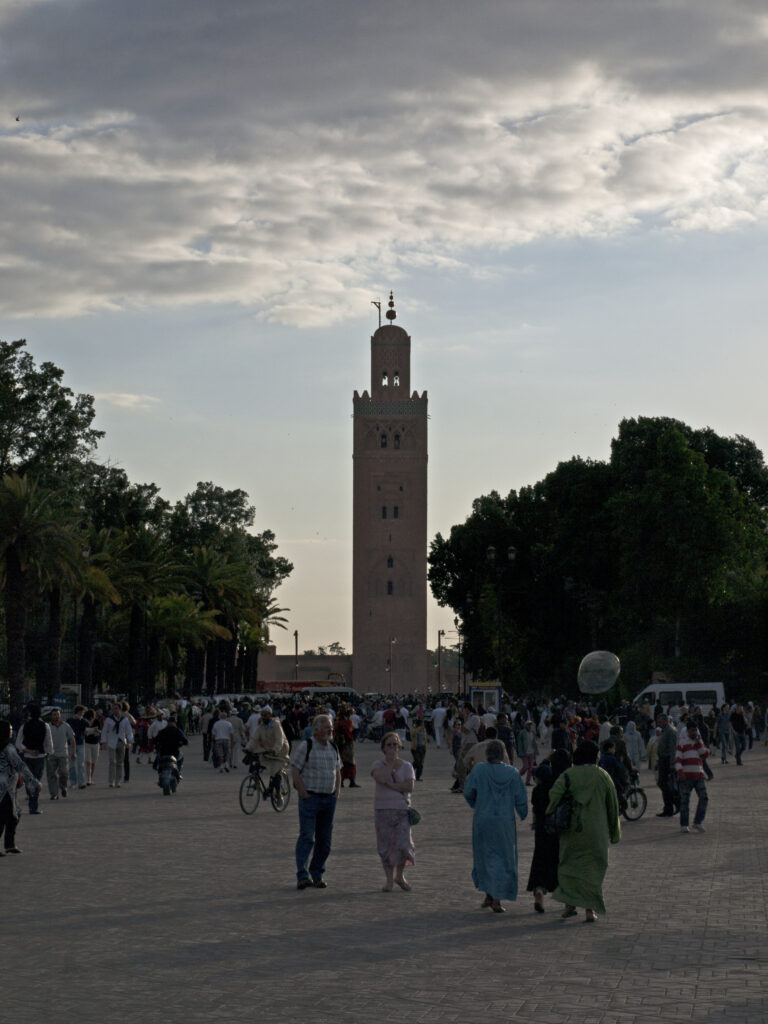
Maghreb
The western part of North Africa, especially the region that includes Morocco, Algeria, Tunisia, and neighboring western Islamic lands depending on period and author.
-
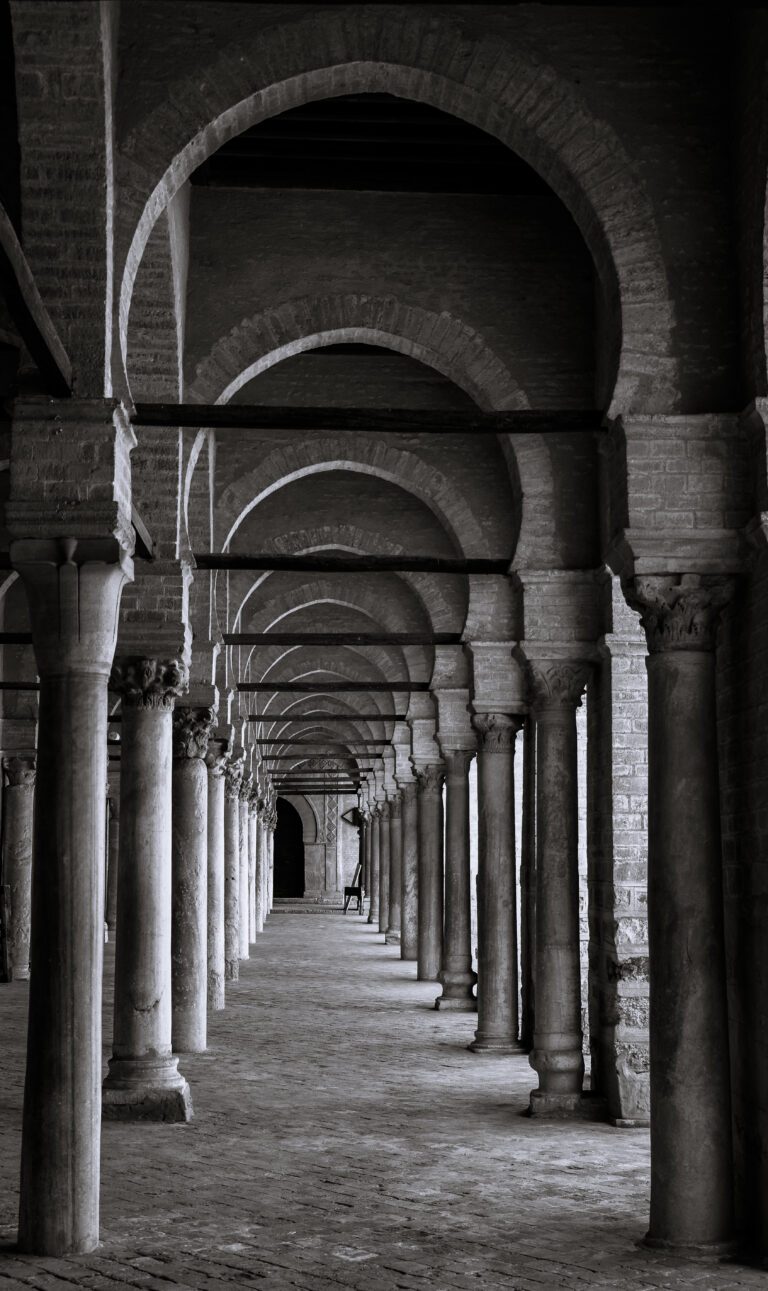
Maliki Law
One of the major Sunni schools of Islamic law, especially important in the Maghreb and al-Andalus.
-
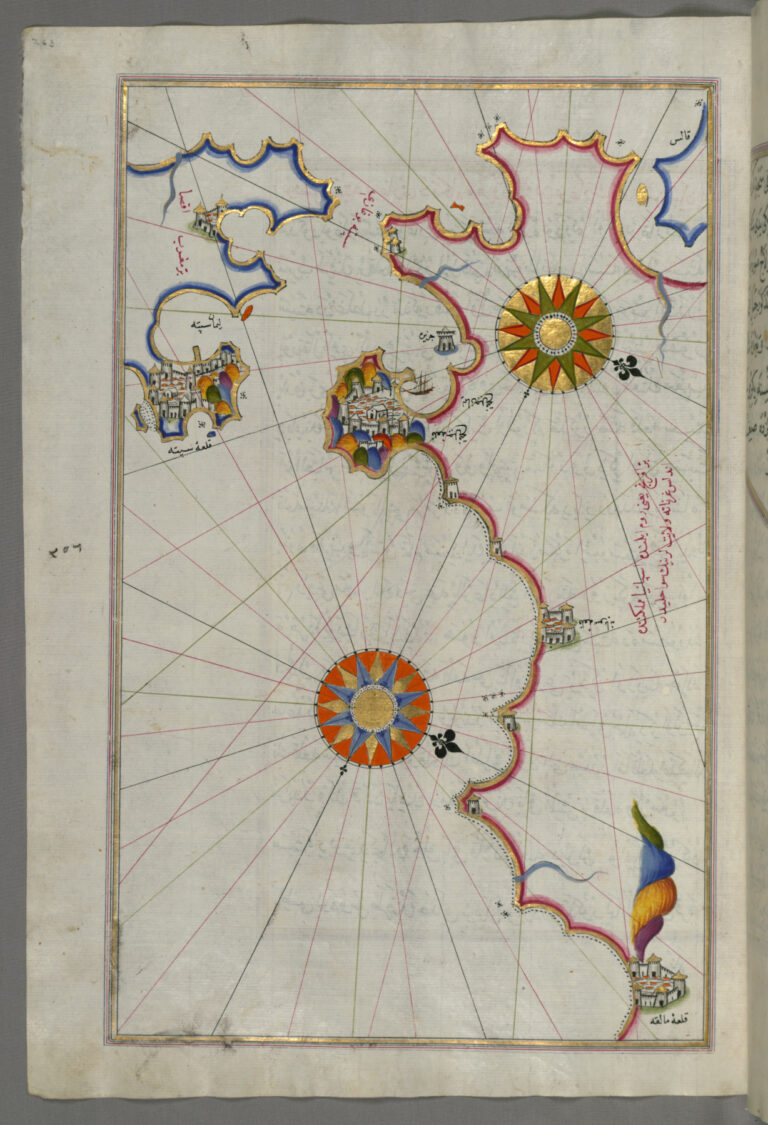
Emirate
A polity ruled by an emir; in al-Andalus the term is especially important for the Umayyad Emirate of Cordoba before the caliphate.
-
Fitna
An Arabic term often translated as civil strife or disorder; in al-Andalus it commonly points to the crisis that fractured the Cordoban caliphate in the early eleventh century.
-
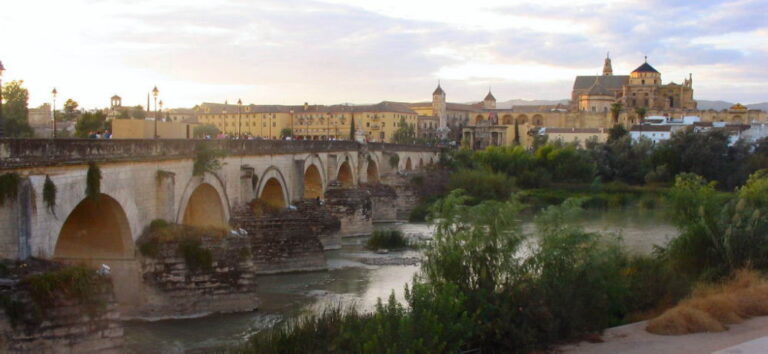
Islamization
The process by which Islamic belief, law, institutions, naming, ritual life, and social norms became established in a region or community.
-
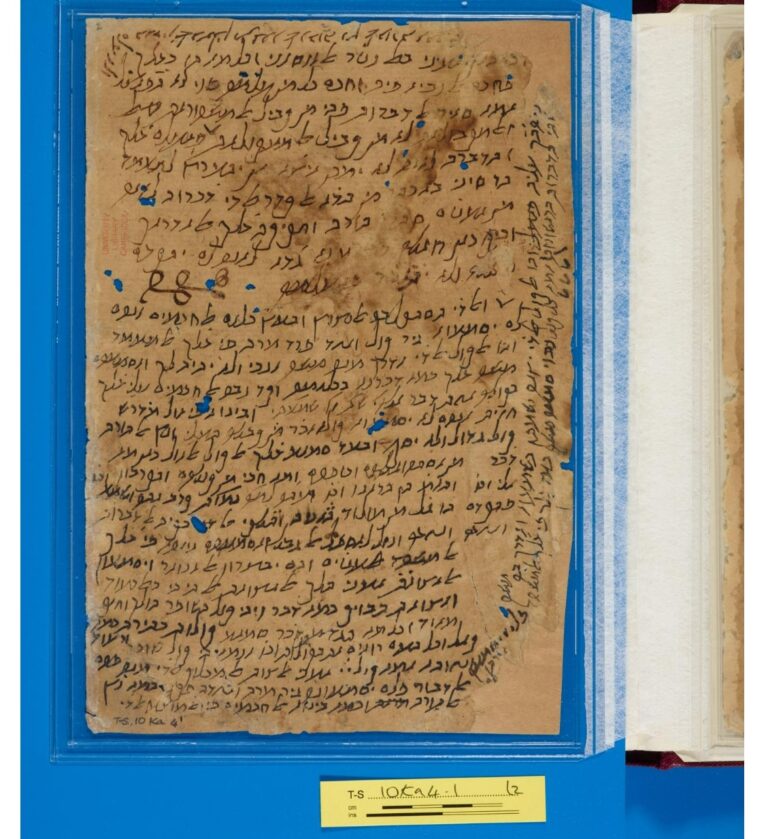
Dhimmi
A protected but subordinate legal status for certain non-Muslim communities under Islamic rule, usually discussed for Jews and Christians in al-Andalus.
-
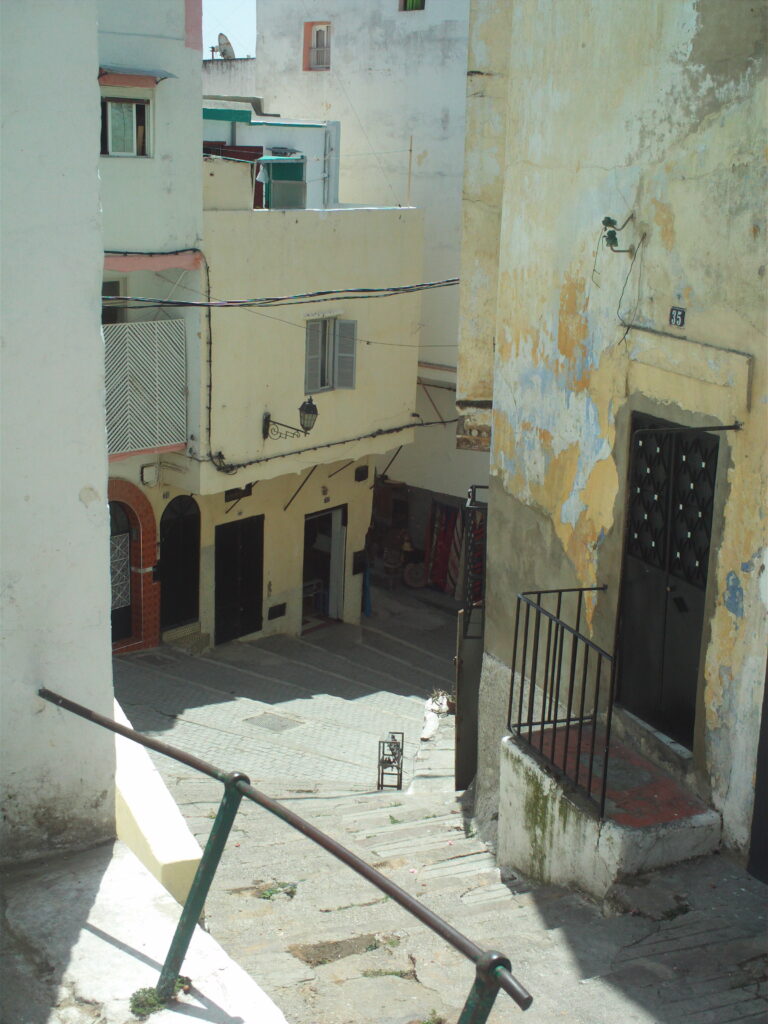
Amazigh / Berber
Terms used for Indigenous North African peoples and languages; Amazigh is a self-designation, while Berber is a long-used external scholarly and historical label.
-
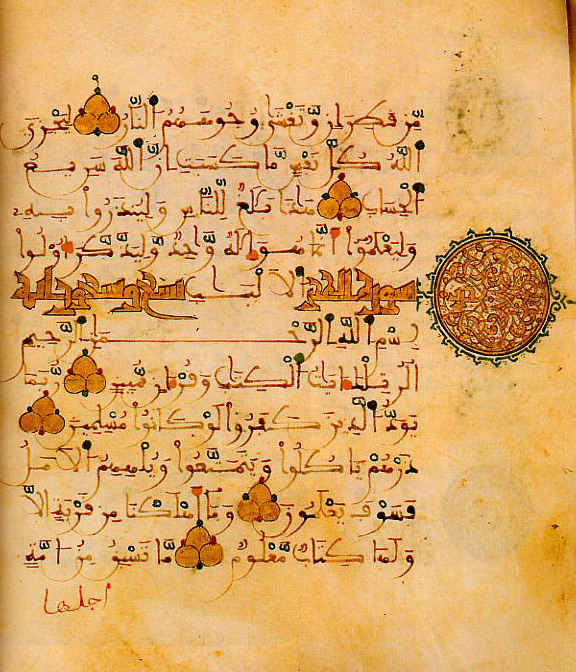
Arabization
A long process through which Arabic language, names, literary culture, administration, and prestige spread into communities that were not originally Arabic-speaking.
-
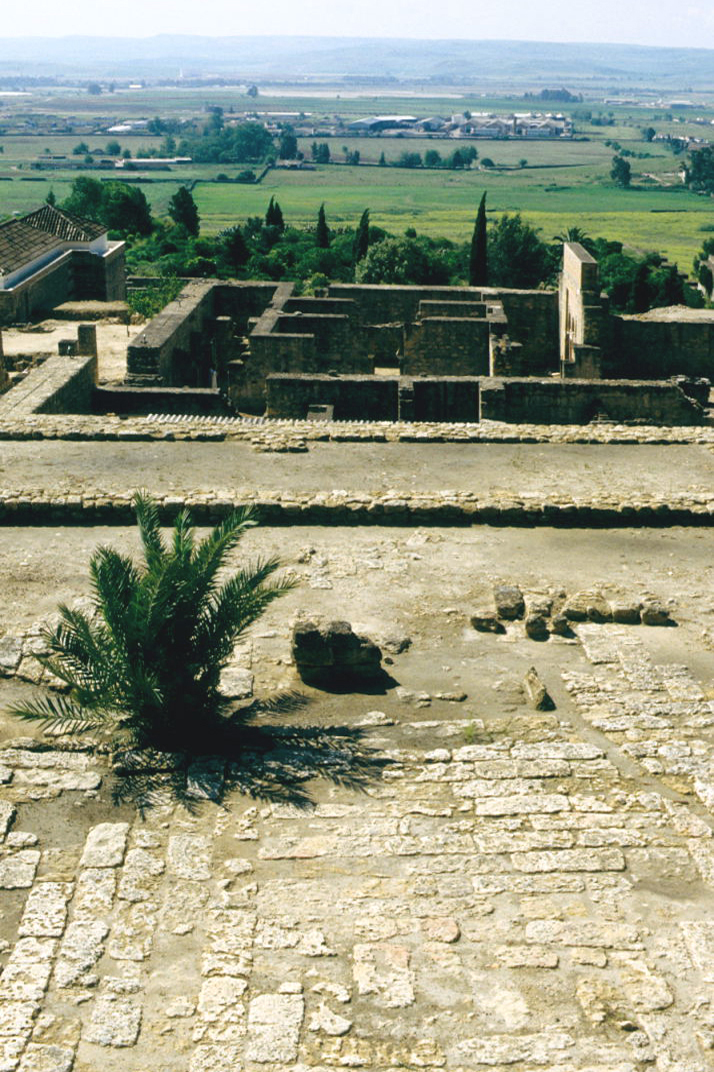
Caliphate
A form of Islamic rule centered on the title caliph; in al-Andalus it most often refers to the Umayyad Caliphate of Cordoba, proclaimed in 929.
-
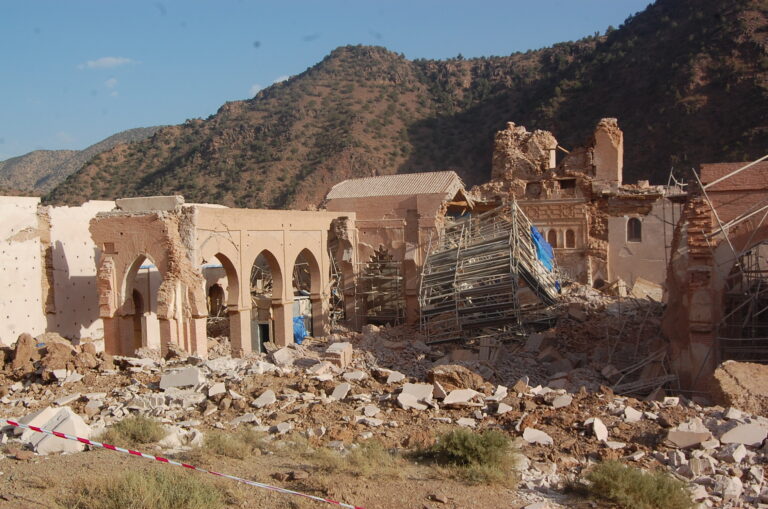
Almohad
A Maghrebi reform movement and empire that replaced Almoravid power and ruled major parts of North Africa and al-Andalus in the twelfth and thirteenth centuries.