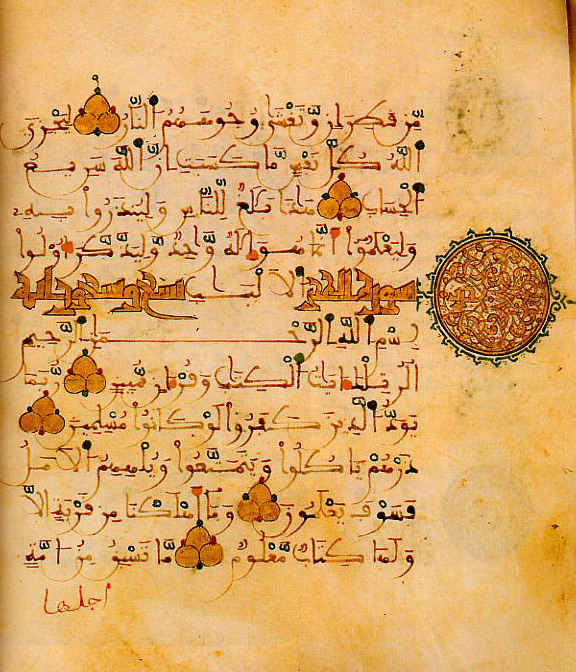

Definition
Arabization is a long process through which Arabic language, names, literary culture, administration, and prestige spread into communities that were not originally Arabic-speaking.
It is a process term, not a shorthand for one simple ancestry claim.
Historical Usage
In al-Andalus and the Maghreb, Arabization could affect elites, scholars, officials, poets, merchants, and ordinary households in different ways.
The process could involve language shift, naming practices, literary training, bureaucratic practice, or participation in Arabic scholarly culture. It did not happen evenly, and it did not erase all earlier languages or local identities at once.
Modern Usage
Use the term with precision. A person or family might become Arabic-speaking or participate in Arabic literary culture without that proving one simple ancestry story.
This matters because modern readers often read Arabic language as if it automatically answers ethnicity. It does not.
Common Confusion
Arabization is related to, but not identical with, Islamization. Language change and religious change often interacted, but they were not the same process.
Arabic names, texts, or court culture may indicate participation in an Arabic-speaking world. They do not automatically prove Arab biological descent, uniform political identity, or identical religious experience.
Reader Rule
When you see signs of Arabization, ask what changed:
- language?
- administration?
- literary prestige?
- naming?
- legal or scholarly culture?
That question is much stronger than asking only who was "really Arab."