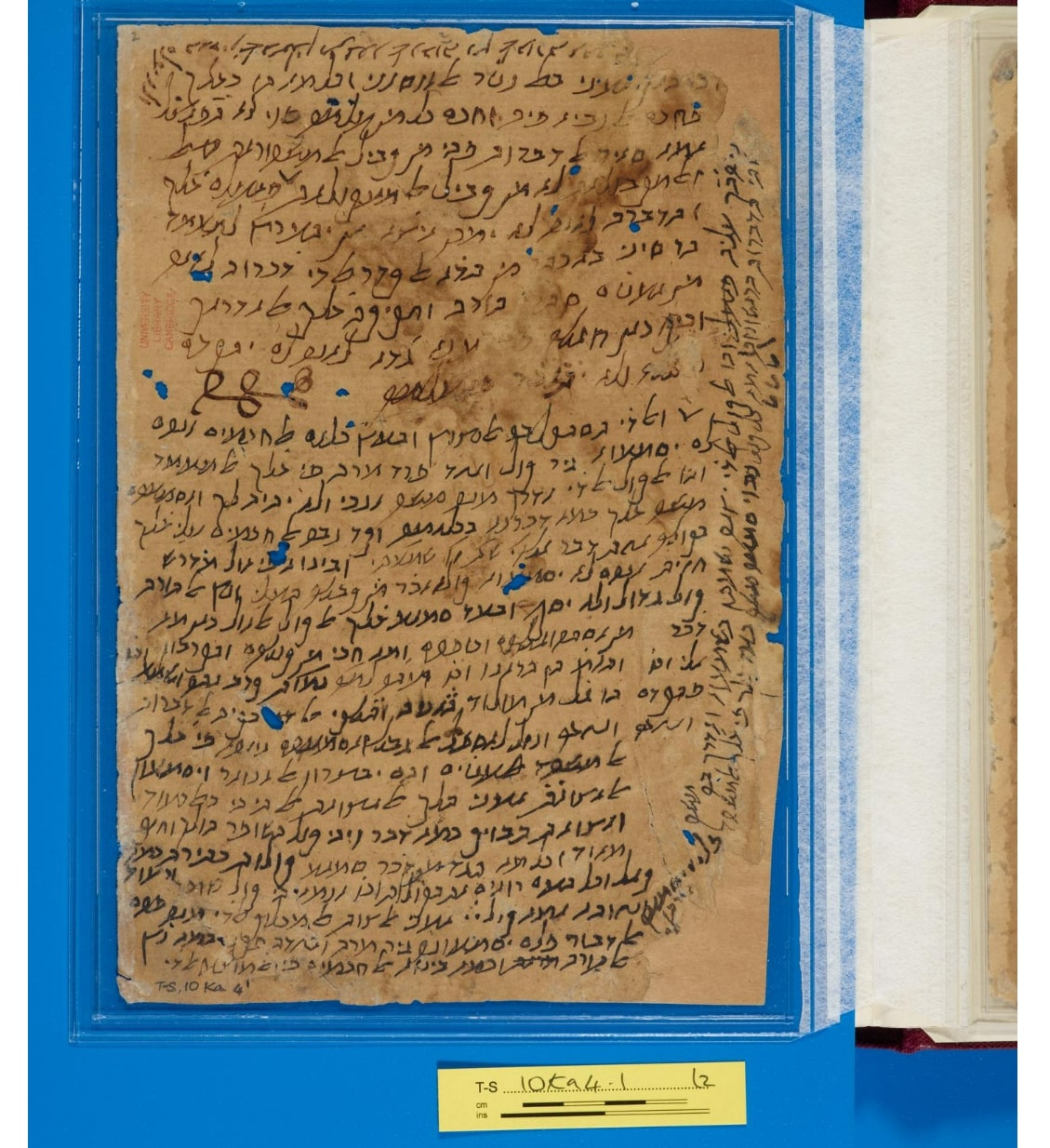

Definition
Dhimmi refers to a protected but subordinate legal status for certain non-Muslim communities under Islamic rule, usually discussed for Jews and Christians within an Islamic legal and political framework.
Historical Usage
In al-Andalus, discussions of dhimmi status usually concern Jews and Christians, taxation, communal autonomy, limits, protections, and the difference between legal ideals and local practice. That last distinction is the critical one. Legal texts can describe a framework, but lived experience depended on local rulers, urban politics, economic position, and moments of crisis or stability.
This is why the term is useful but dangerous. It does identify a hierarchy under Muslim rule, but it does not by itself tell you what daily coexistence looked like in any one city or century. A serious use of dhimmi should keep both sides in view: protected communal status and structural inequality. Reducing it to only one side usually means ideology has replaced history.
Modern Usage
Use the term carefully because it appears constantly in modern polemics. A good explanation includes both protection and inequality, and it makes clear whether the author is discussing law, administration, or actual local life.
Common Confusion
Do not turn the category into either perfect tolerance or constant persecution. Both readings hide the evidence. Dhimmi is a legal-political category, not a complete description of everyday reality. A better reader question is: what evidence do we have here for how this status worked in practice?