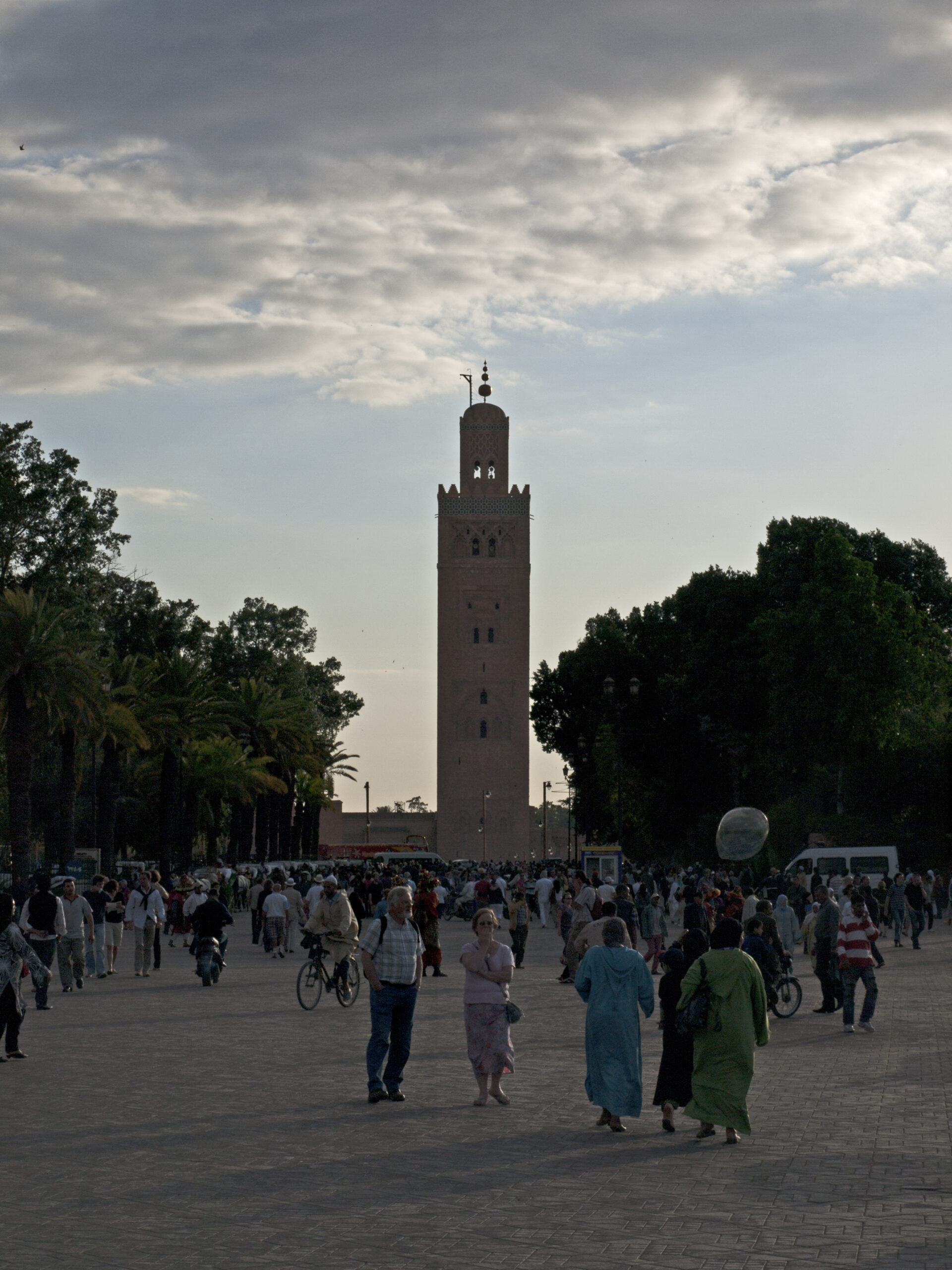

Definition
Maghreb means the western part of the Islamic world, especially northwest Africa.
For Moor history, it is one of the most important regional terms because it helps keep Iberia tied to North Africa without collapsing the two into one place.
Historical Usage
Medieval writers used the term geographically, but the precise scope could change. It often matters whether a text is discussing routes, dynasties, scholarship, trade, or imperial power.
The Maghreb may refer broadly to the western Islamic lands of North Africa, but specific authors and periods drew its boundaries differently. That is why readers should avoid assuming a single fixed regional map.
Modern Usage
Today the term often names Morocco, Algeria, Tunisia, and sometimes neighboring western North African countries. Moor History Center uses it as a regional label, then specifies the local place when evidence allows.
This is usually better than substituting the modern nation-state label "Morocco" for the whole region when the historical evidence is wider than one present-day country.
Common Confusion
Maghreb is not identical to al-Andalus, though the two regions were deeply connected. It is also not a single medieval polity.
Readers often make two opposite mistakes: treating the Maghreb as background scenery to Iberian history, or treating it as a single permanent political actor. Neither is accurate.
Reader Rule
Use Maghreb when the evidence concerns western North Africa as a region. Use a city or dynasty name when the actor is more specific.