Era: Medieval
Explore Medieval In Order
Timeline First
Start with dated events so the archive reads as chronology instead of a loose topic pile.
Then Read The Context
Use these explainers to connect the period to institutions, conflict, society, and later memory.
People And Places
Move from dates into the biographies and sites that make the period easier to remember.
Find Your Way In
Eras
Move through the record by century, dynasty, and major historical period.
Regions
Browse by geography, including al-Andalus, the Maghreb, Iberia, and wider connected regions.
Topics
Follow themes like architecture, terminology, law, trade, and myth checking.
People
Open biographies and profiles that connect articles, places, events, and sources.
Places
Use cities, monuments, regions, and institutions as map-like entry points.
Claims
Check common public claims against evidence, source limits, and editorial verdicts.
-
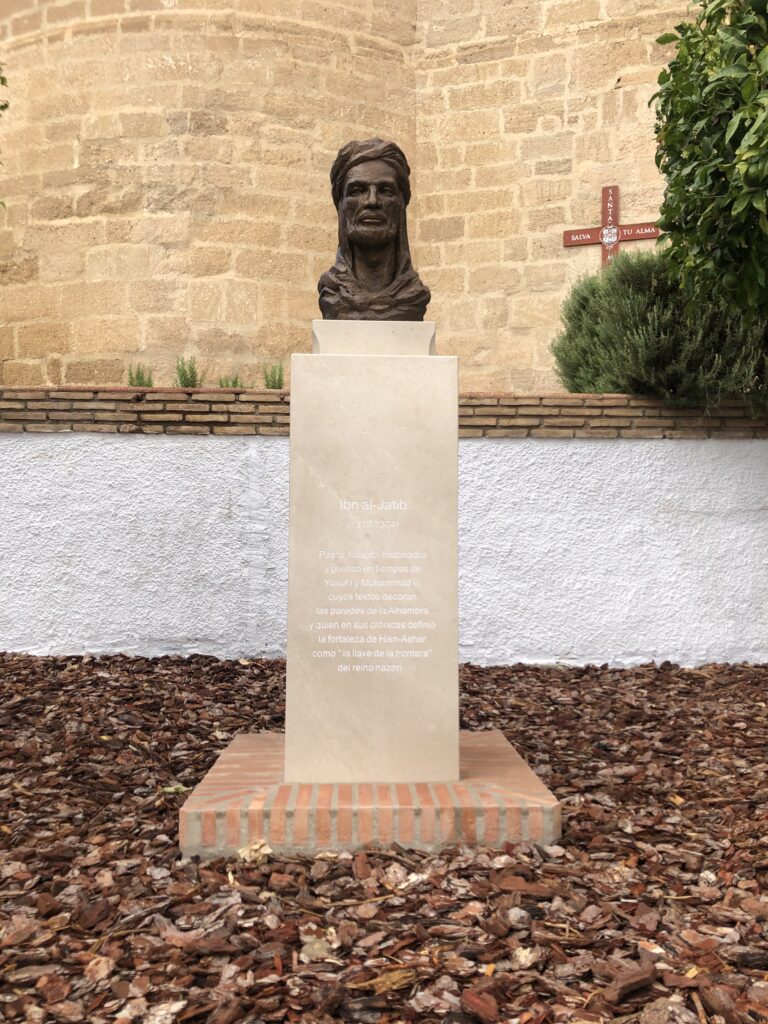
Lisan al-Din Ibn al-Khatib
Nasrid vizier, historian, litterateur, and diplomat whose career opens onto the political fragility and intellectual brilliance of late Granada.
-
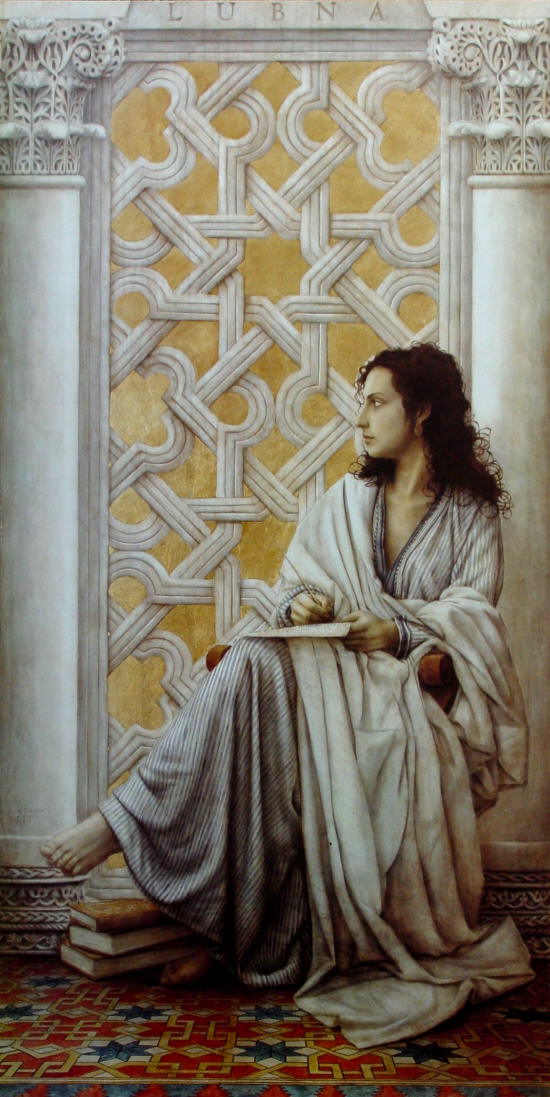
Lubna of Cordoba
Tenth-century Cordoban intellectual associated with the caliphal library and scholarly culture, useful for readers tracing literacy, administration, and women's visibility in elite Andalusi knowledge networks.
-
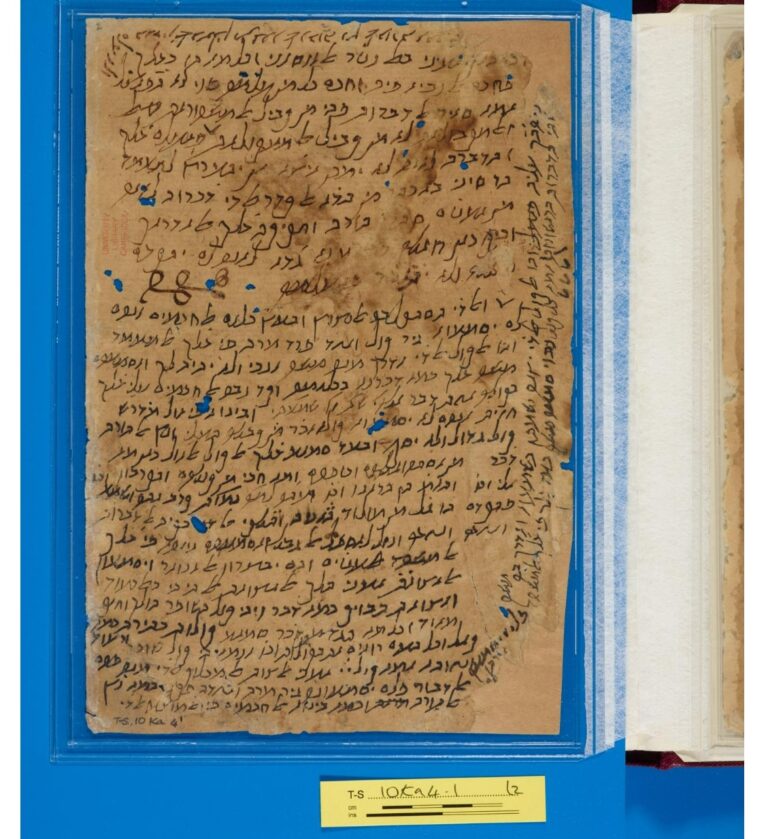
Musa ibn Maymun (Maimonides)
Jewish philosopher, jurist, and physician whose Andalusi and wider Mediterranean career helps readers track intellectual exchange across religious and political boundaries.
-
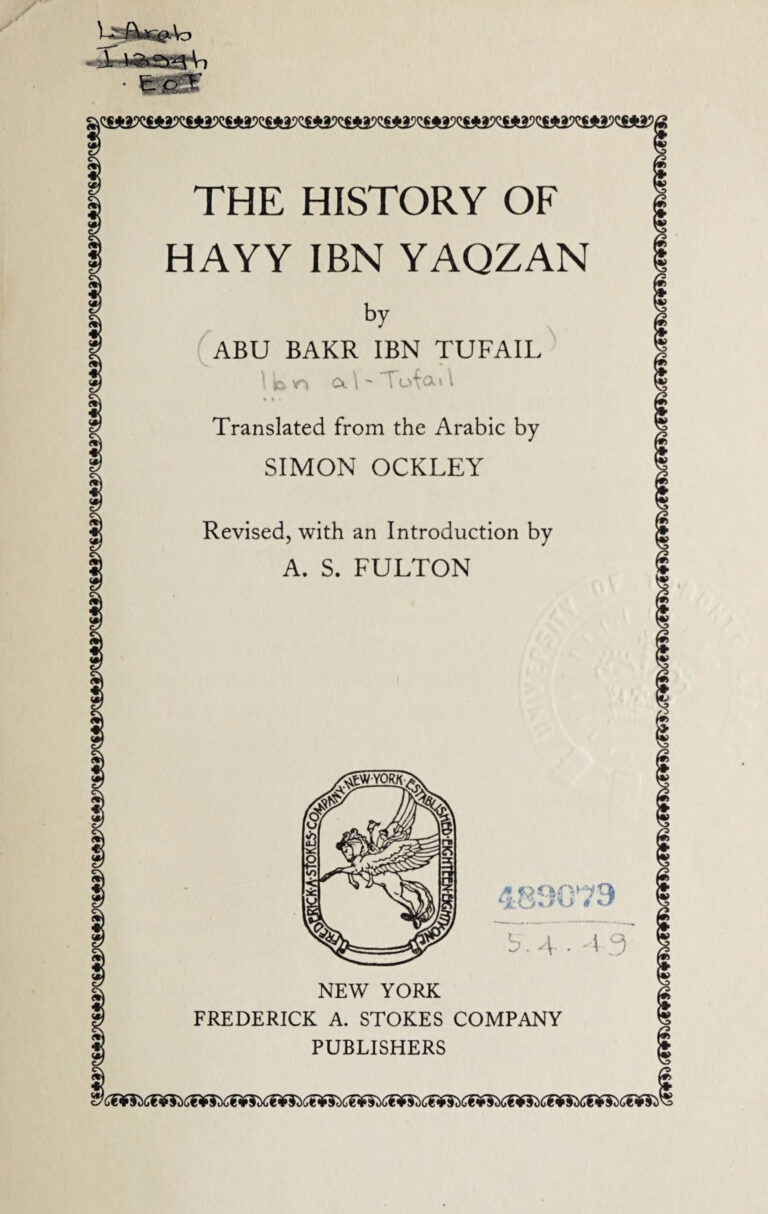
Ibn Tufayl
Andalusi philosopher, physician, and court intellectual best known for linking science, medicine, and speculative thought in the Almohad age.
-
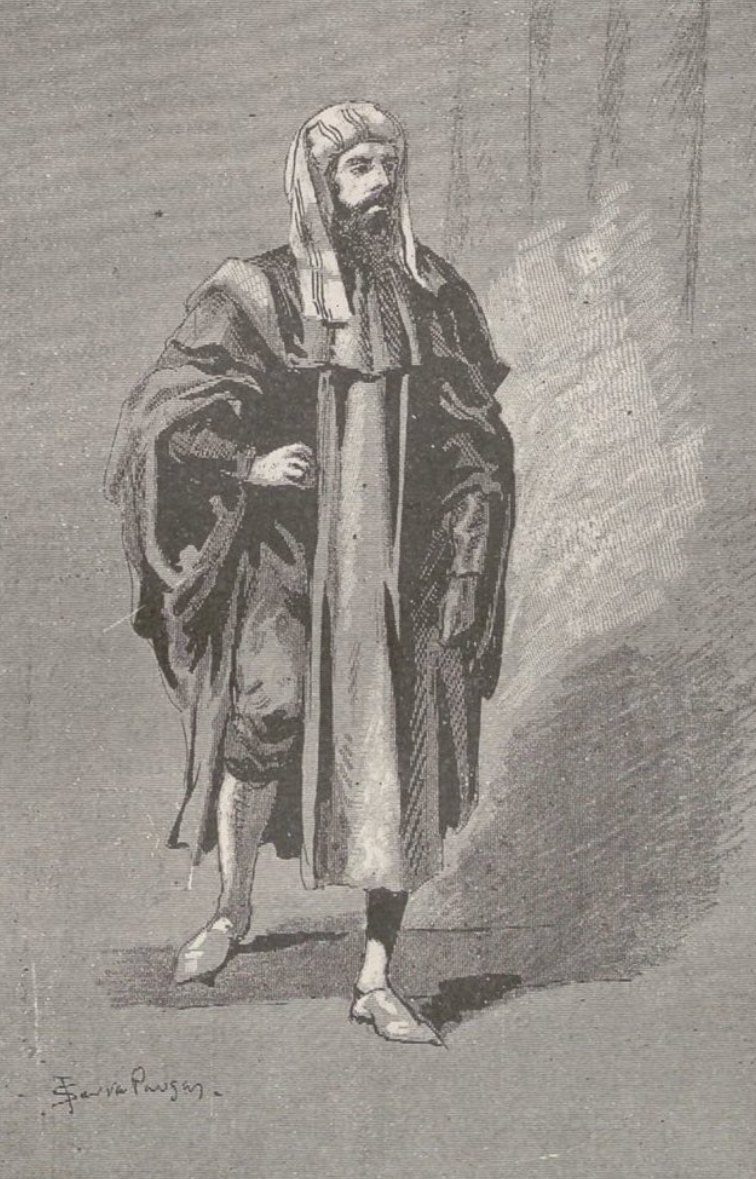
Ibn Tumart
Religious reformer whose teachings and authority claims launched the Almohad movement before it became an imperial power.
-
Ibn Hazm
Cordoban jurist, polemicist, and writer whose work reveals how theology, law, and social argument sharpened during the taifa transition.
-
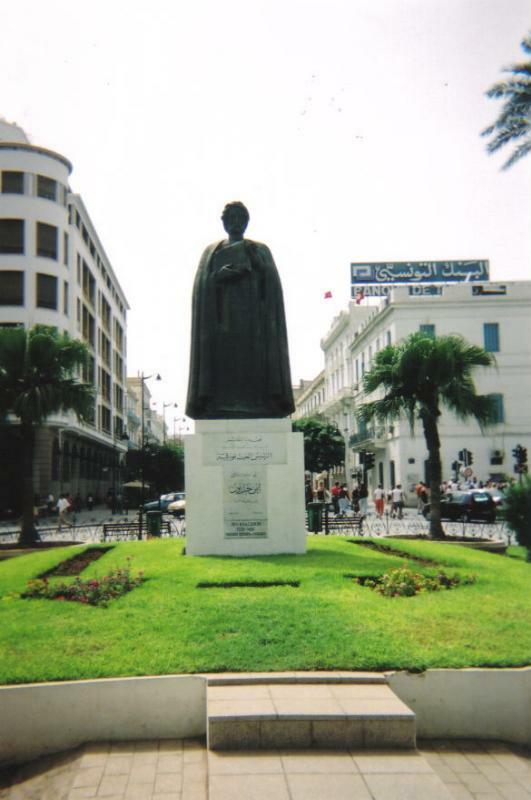
Ibn Khaldun
North African historian and political thinker whose Muqaddimah remains central to studying power, society, and historical change.
-
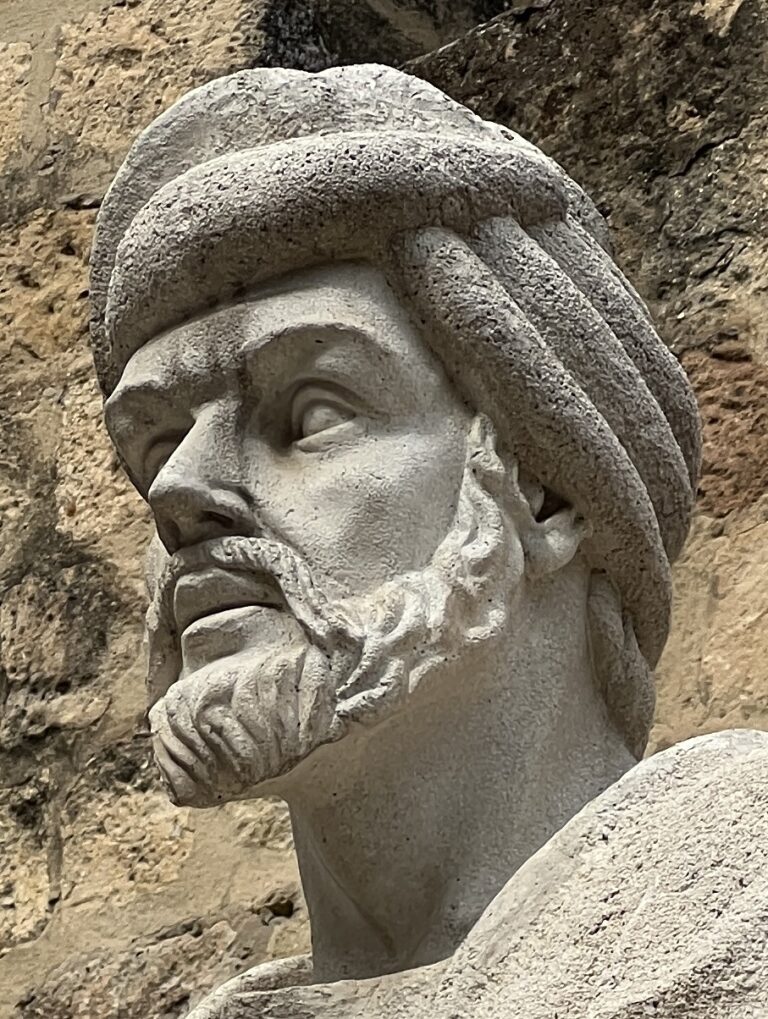
Ibn Rushd (Averroes)
Cordoban jurist, physician, and philosopher whose commentaries and legal work shaped intellectual life across Islamic and Latin scholarly worlds.
-
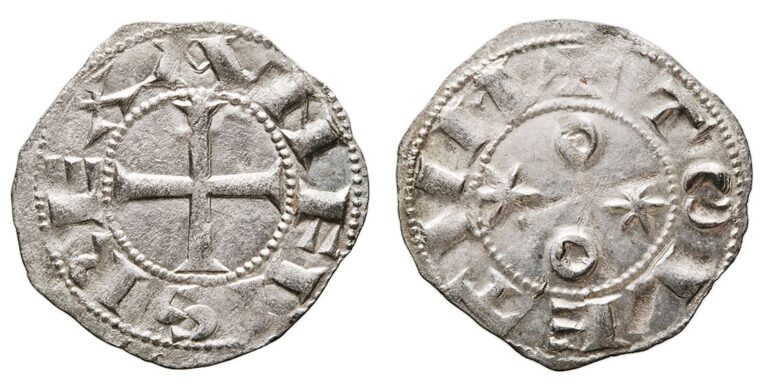
Alfonso VI of Castile
Castilian-Leonese ruler whose capture of Toledo and taifa politics helped trigger a new phase of Iberian and Maghrebi conflict.
-
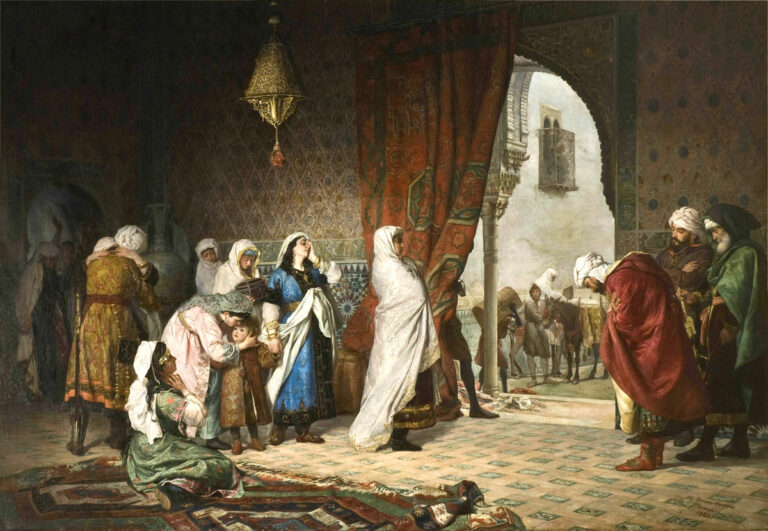
Boabdil (Muhammad XII)
Last Nasrid ruler of Granada, remembered through the 1492 surrender and later legends that often simplify a much larger political collapse.
-
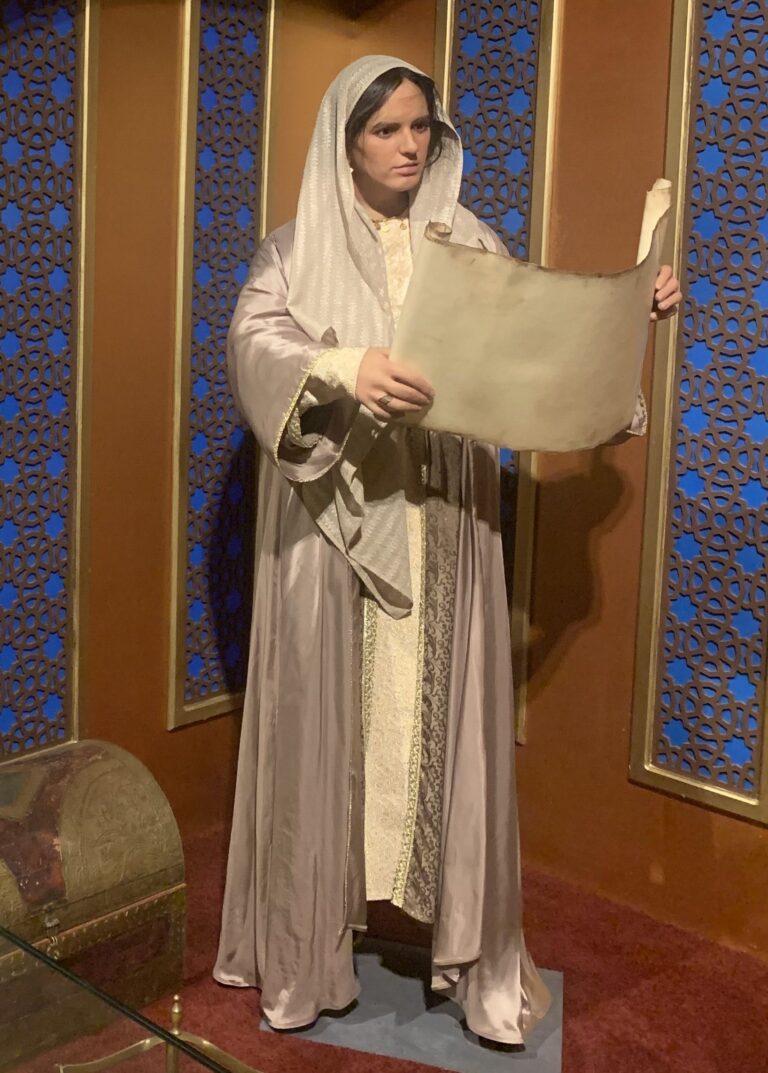
Fatima al-Fihri
Fez figure associated with the founding memory of al-Qarawiyyin, a key institution in Maghrebi religious and educational history.
-
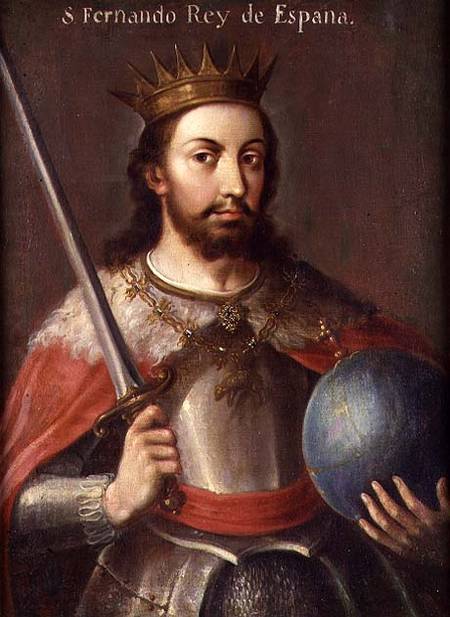
Ferdinand III of Castile
Castilian-Leonese king whose conquests of major Andalusi cities transformed the political map of thirteenth-century Iberia.