Topic: People
Find Your Way In
Topics
Follow themes like architecture, terminology, law, trade, and myth checking.
Regions
Browse by geography, including al-Andalus, the Maghreb, Iberia, and wider connected regions.
Eras
Move through the record by century, dynasty, and major historical period.
People
Open biographies and profiles that connect articles, places, events, and sources.
Places
Use cities, monuments, regions, and institutions as map-like entry points.
Claims
Check common public claims against evidence, source limits, and editorial verdicts.
-
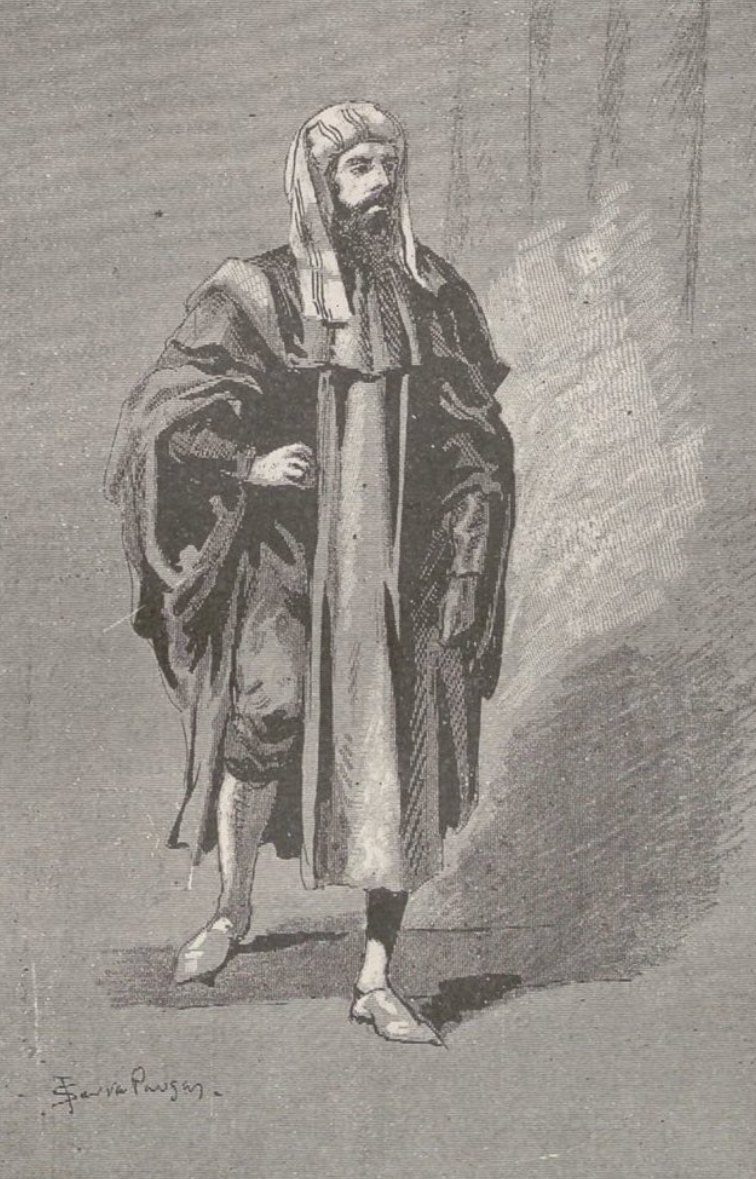
Ibn Tumart
Religious reformer whose teachings and authority claims launched the Almohad movement before it became an imperial power.
-
Ibn Hazm
Cordoban jurist, polemicist, and writer whose work reveals how theology, law, and social argument sharpened during the taifa transition.
-
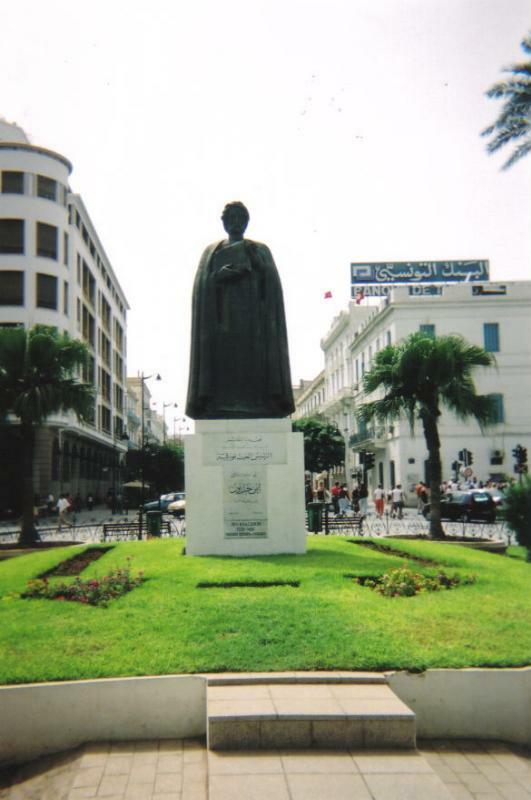
Ibn Khaldun
North African historian and political thinker whose Muqaddimah remains central to studying power, society, and historical change.
-
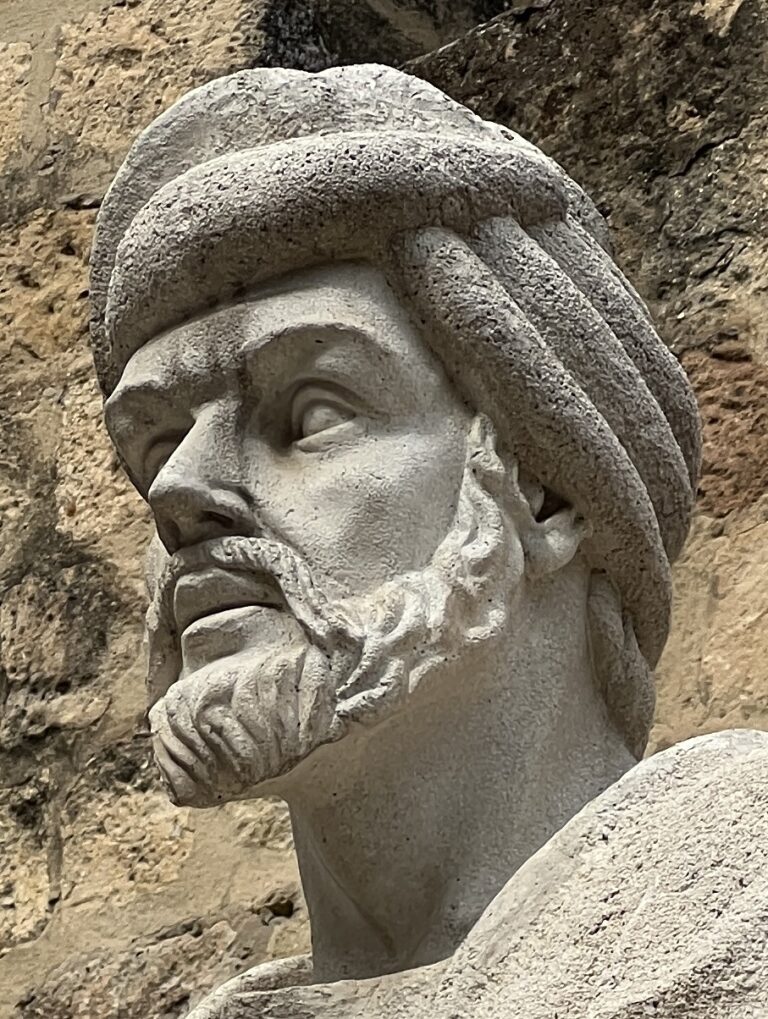
Ibn Rushd (Averroes)
Cordoban jurist, physician, and philosopher whose commentaries and legal work shaped intellectual life across Islamic and Latin scholarly worlds.
-
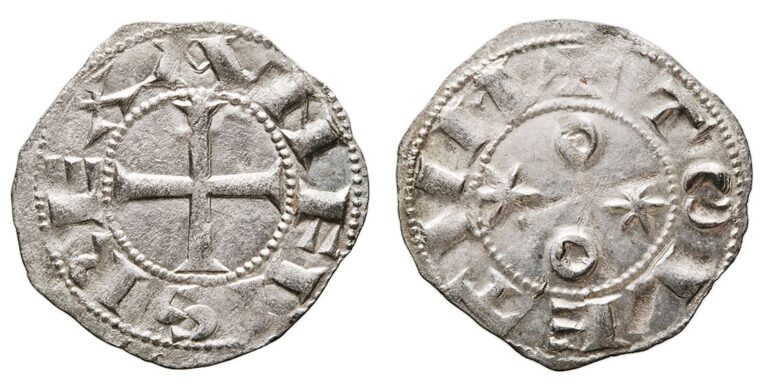
Alfonso VI of Castile
Castilian-Leonese ruler whose capture of Toledo and taifa politics helped trigger a new phase of Iberian and Maghrebi conflict.
-
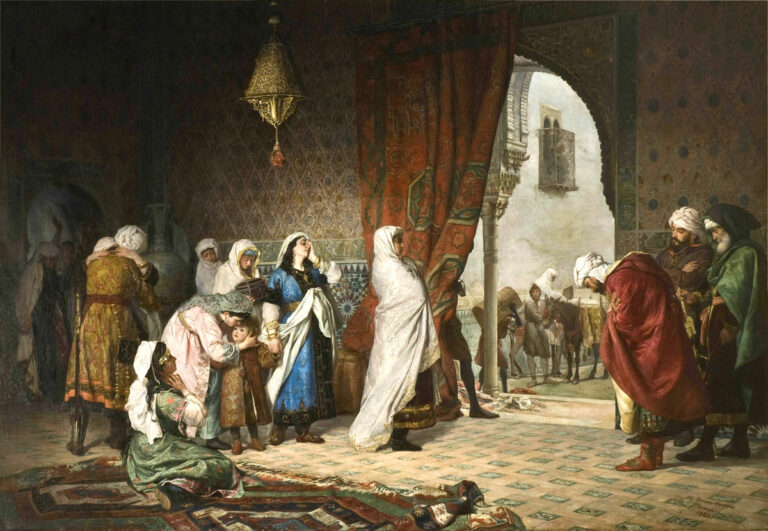
Boabdil (Muhammad XII)
Last Nasrid ruler of Granada, remembered through the 1492 surrender and later legends that often simplify a much larger political collapse.
-
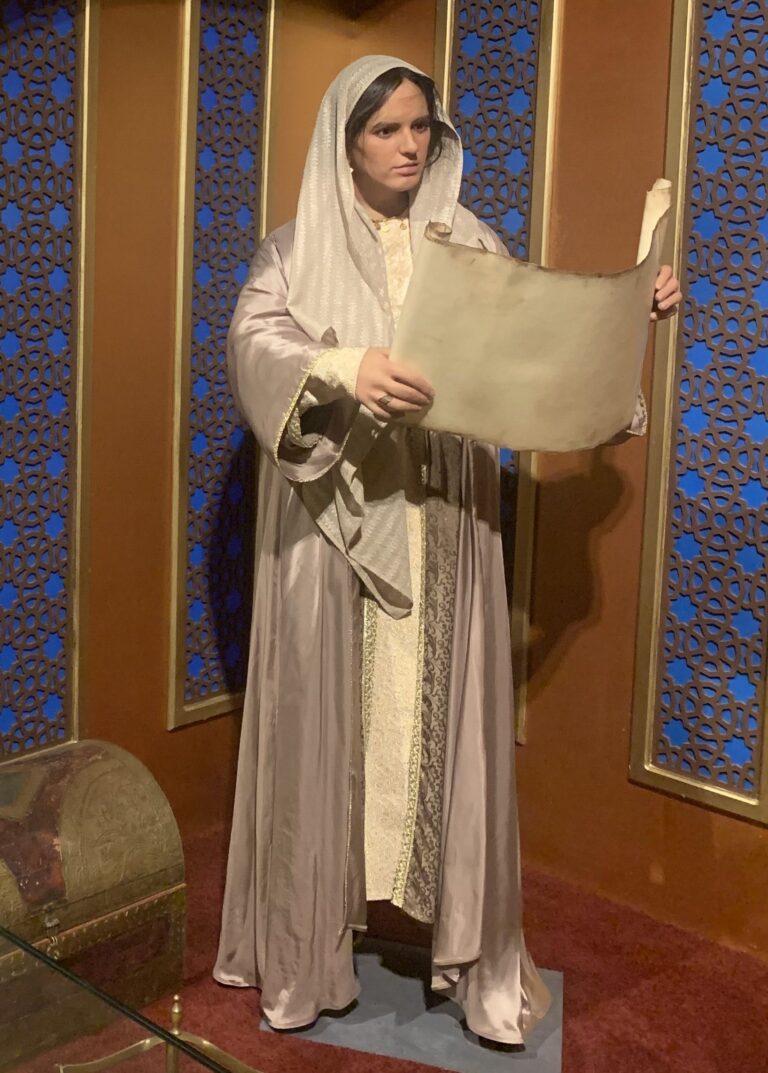
Fatima al-Fihri
Fez figure associated with the founding memory of al-Qarawiyyin, a key institution in Maghrebi religious and educational history.
-
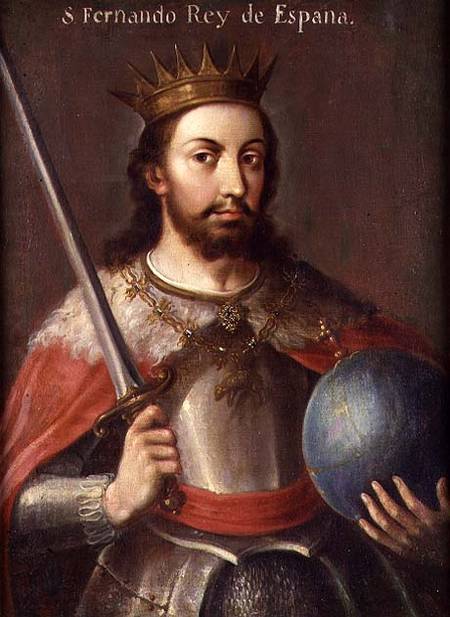
Ferdinand III of Castile
Castilian-Leonese king whose conquests of major Andalusi cities transformed the political map of thirteenth-century Iberia.
-
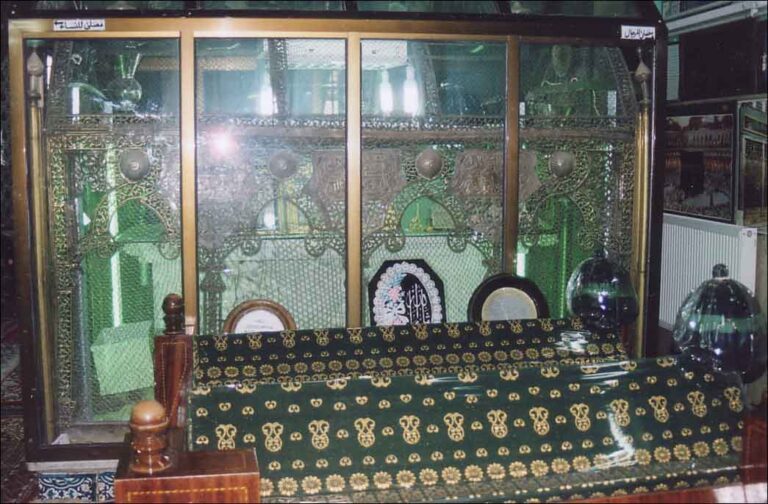
Ibn Arabi
Andalusi Sufi thinker whose writings and travels made him one of the most influential and debated spiritual authors of the medieval Islamic world.
-

Abu Yusuf Yaqub al-Mansur
Almohad caliph whose reign shows the movement at imperial scale, linking Maghrebi power, Iberian campaigns, court culture, and monumental memory.
-
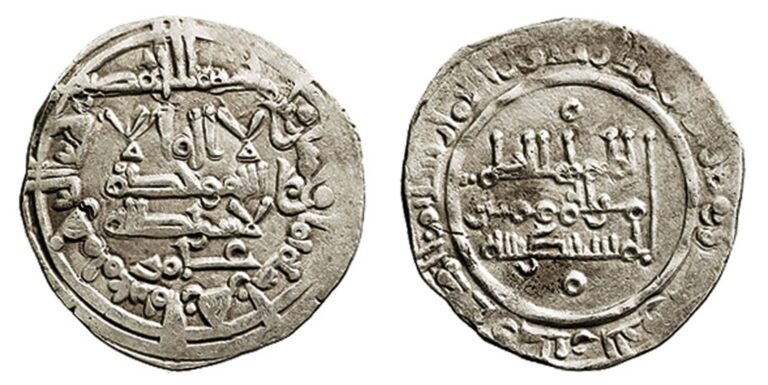
al-Hakam II
Umayyad caliph of Cordoba remembered for scholarship, libraries, administration, and the court culture that helped define the caliphate's intellectual prestige.
-
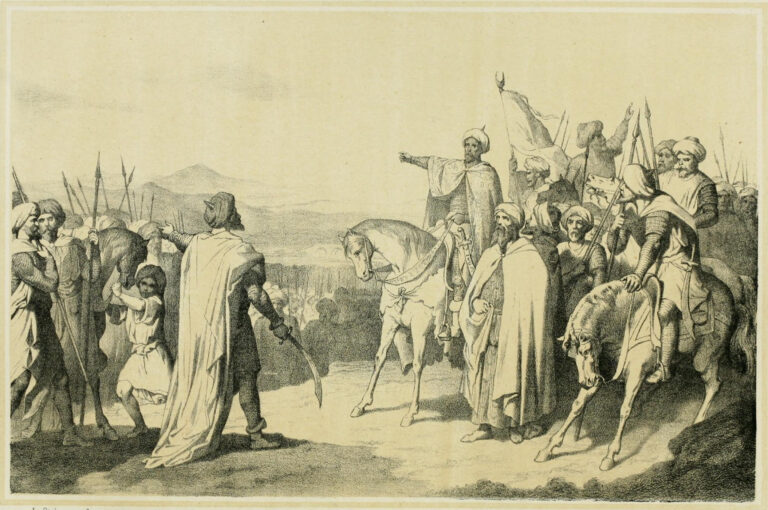
al-Mansur (Almanzor)
Late Umayyad-era power broker and military leader whose dominance reshaped Cordoban politics before the caliphate's crisis.