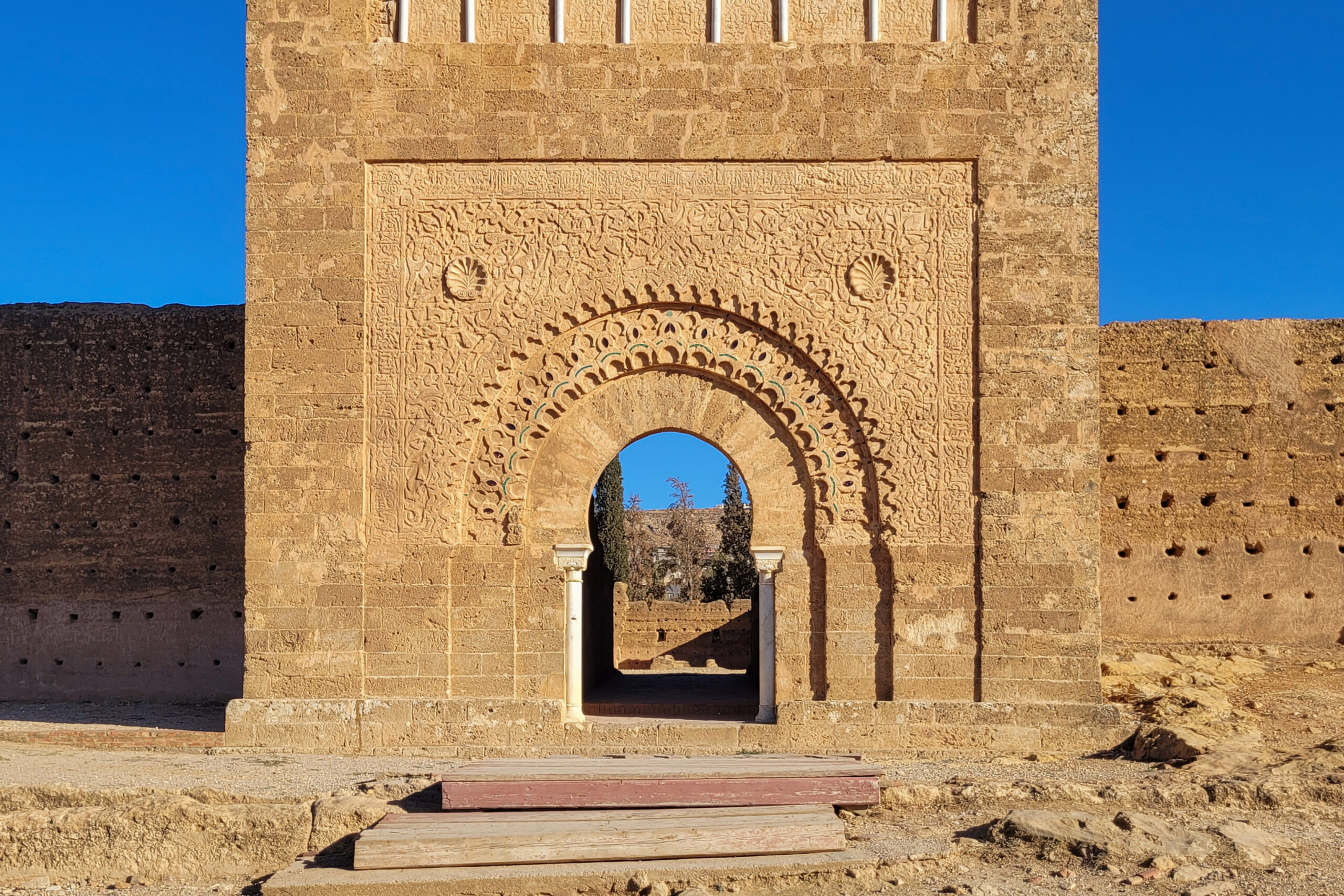

Place Summary
Maghrebi city tied to western Mediterranean trade and dynastic politics.
Why This Place Matters
Tlemcen is a key Maghrebi inland-connector city linking Mediterranean and Saharan-facing networks. It is useful for readers who need a North Africa route beyond Fez and Marrakesh.
Its political history helps explain why Maghrebi state dynamics repeatedly shaped western Mediterranean outcomes, including pressures that affected Iberian theaters.
Historical Context
Tlemcen's relevance spans dynastic transitions, commercial corridors, and scholarly movement. Control changed over time, but the city's strategic value in transregional circulation persisted.
Its position in western Maghrebi politics made it a repeated hinge between inland authority and Mediterranean-facing exchange. That helps explain why Tlemcen appears across narratives about state competition, learned culture, and long-distance trade even when imperial centers shifted elsewhere.
Tlemcen is useful precisely because it is not always the first city readers think of. It teaches them to look beyond the most famous capitals and notice the connective cities that helped make western Islamic politics and trade work at all. That makes it a strong corrective to capital-only storytelling.
Evidence Frame
Treat Tlemcen claims by period and network role. Monument evidence should be paired with trade and political context rather than used as standalone proof.
The right question here is usually not “what style is this?” but “what route, dynasty, or exchange system made this place matter in this period?” That keeps the page anchored in movement and connection rather than static monument reading.
What to Look For
- Inland and coastal network integration.
- Dynastic turnover without strategic irrelevance.
- Links to Fez, Tunis, and western strait politics.
- Period-specific reading of monumental remains.
What This Place Should Teach
Tlemcen should teach readers that connective cities matter as much as capitals. Its importance lies in linking routes, dynasties, and exchange systems that made western Islamic politics possible. Once that is visible, the Maghreb stops looking like a chain of isolated famous cities and starts looking like a working network.
Related Reading
- The Maghreb before al-Andalus: Late Antique North Africa in Brief
- Trans-Saharan Connections: Gold, Slavery, Scholarship
- Mediterranean Trade Networks: Ports, Goods, and Power