Editorial Summary
Mediterranean trade networks connected al-Andalus, the Maghreb, Christian Iberia, Italian merchants, North African ports, island routes, and wider Islamic markets. These networks moved goods, people, information, risk, and political leverage.
Trade was not peaceful background noise. It happened alongside war, raids, tribute, diplomacy, piracy, taxation, and changing rule.
Ports as Power
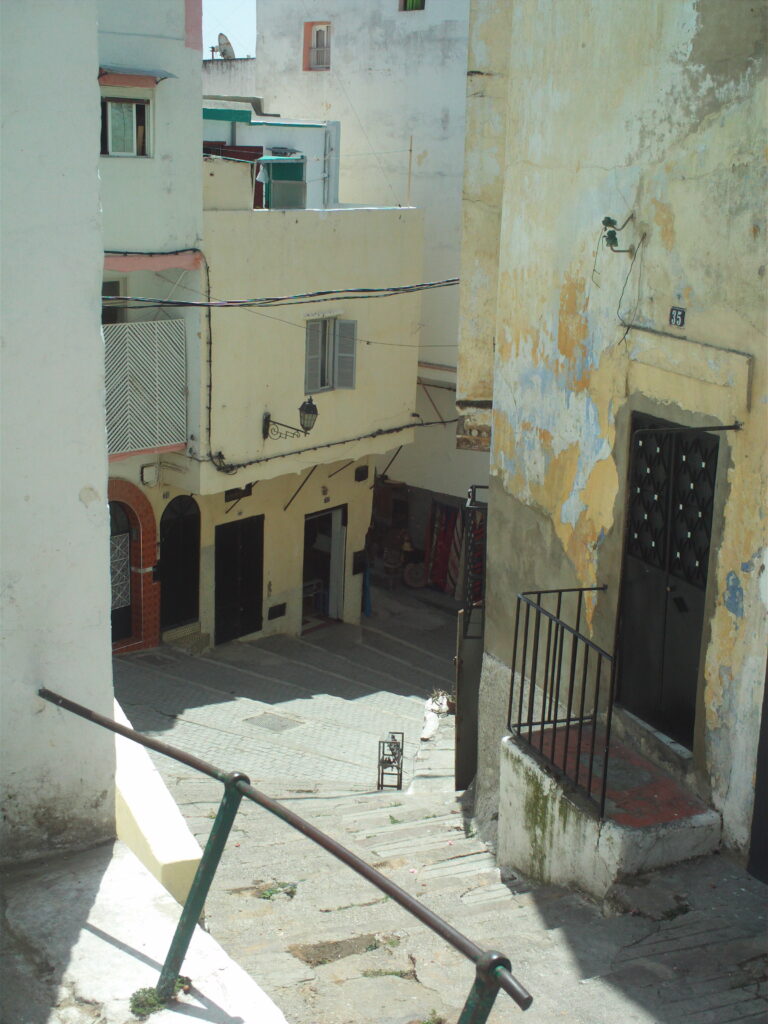
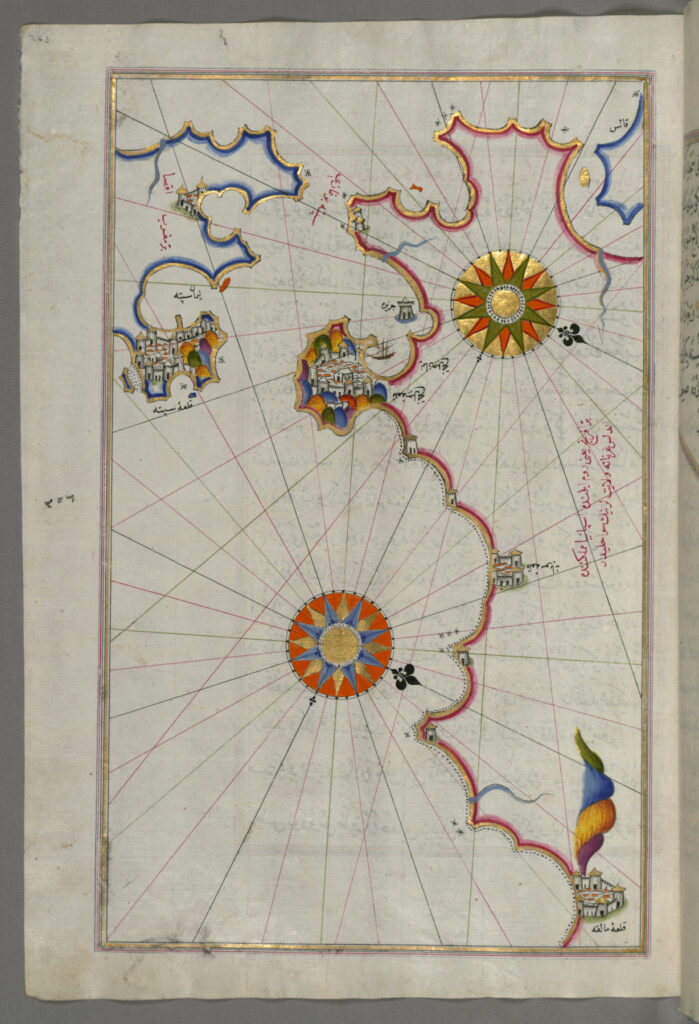
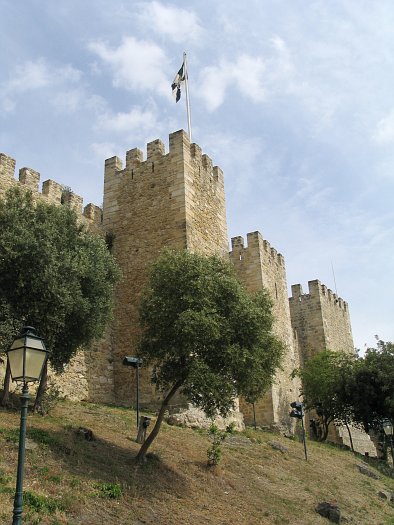
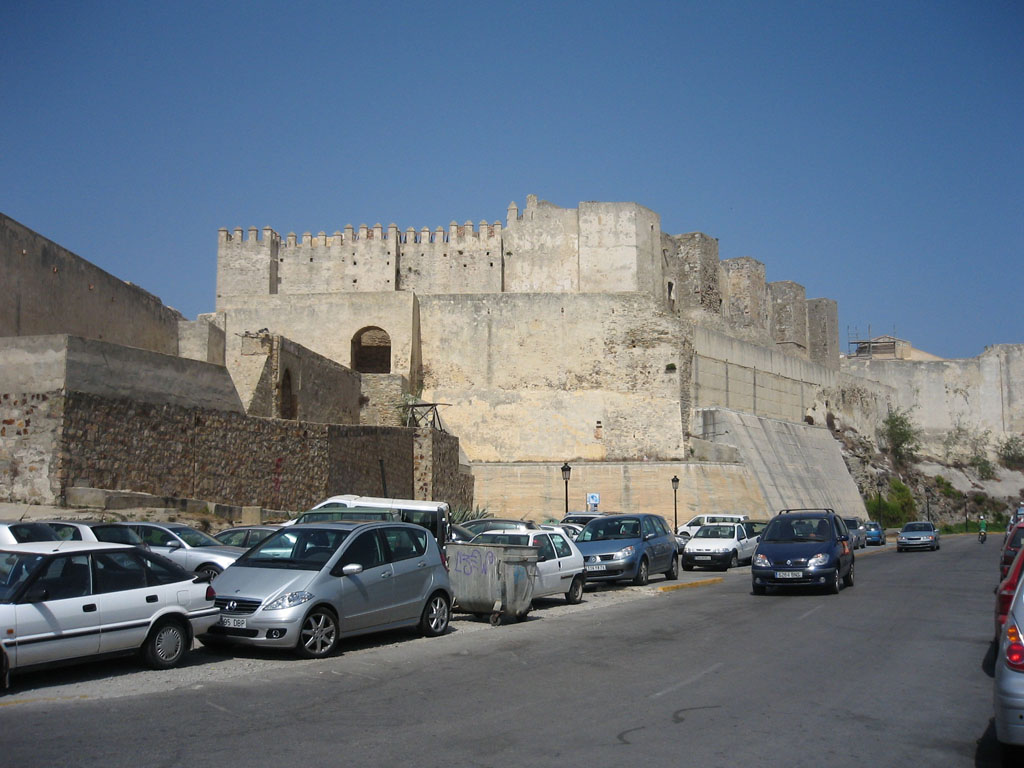
Ports such as Almeria, Valencia, Seville, Ceuta, Tangier, Tunis, Lisbon, and Tarifa were not only docks. They were fiscal, military, diplomatic, and informational nodes. Whoever influenced a port could affect trade, customs revenue, maritime movement, and frontier strategy.
This is why port history belongs with political history. Control of ports shaped access to goods, ships, envoys, captives, and news.
Goods and Movement
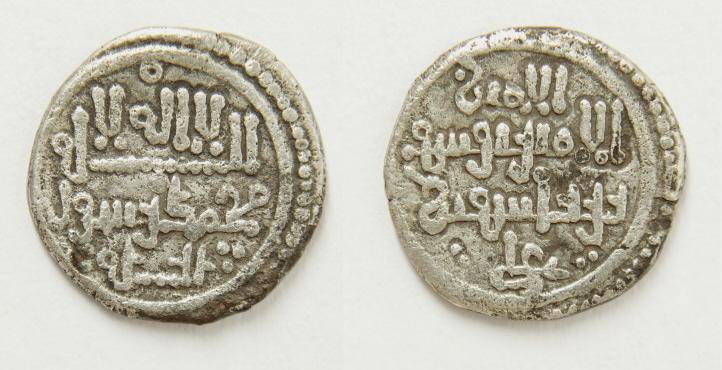
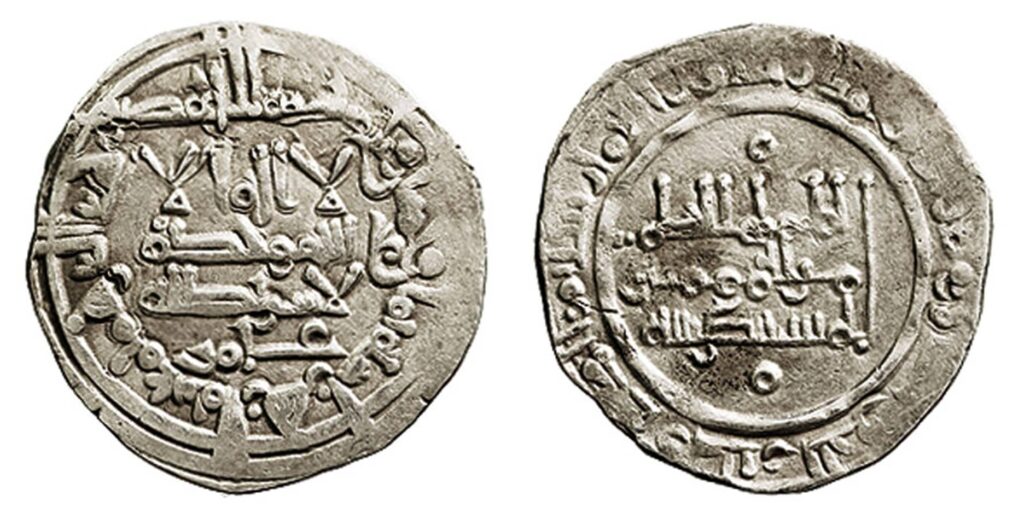
Textiles, ceramics, metalwork, food products, books, coins, timber, enslaved people, and luxury objects could move through many channels. A good might be traded, gifted, taxed, looted, inherited, imitated, or collected later.
That means an object found in one place does not automatically prove where it was made or who first used it. Trade evidence is powerful, but it needs provenance and context.
Merchants Across Boundaries
Commerce crossed religious lines because merchants, rulers, and cities needed goods and revenue. Christian and Muslim powers could fight while still managing commercial exchange through treaties, permissions, ports, brokers, and taxes.
This does not make trade a story of pure harmony. It makes it a story of practical dependency and risk.
Evidence Problems
Trade records are uneven. Ports and elite goods are easier to see than small transactions. Written sources may focus on merchants and rulers, while everyday workers and captives appear indirectly.
Reader Method
When reading a trade claim, ask:
- Which port, route, or commodity is being discussed?
- Is the evidence documentary, archaeological, literary, numismatic, or stylistic?
- Was the object traded, gifted, seized, reused, or later collected?
- Does the page distinguish commercial contact from cultural identity?
What Sources Let Us Say
The sources let us describe ports, merchants, goods, political realignment, and commercial exchange across religious boundaries. They are weaker for reconstructing every small transaction or the full lives of maritime laborers.
Working Conclusion
Mediterranean trade helps readers see Moor history as connected, mobile, and practical. Ports were where goods, taxes, war, diplomacy, and culture met.