Editorial Summary
The Sahara connected North Africa, the Sahel, West Africa, and the Mediterranean. Gold, salt, enslaved people, books, scholars, pilgrims, diplomats, and soldiers moved through routes that changed over time. Those connections help readers understand Moorish history without collapsing the Maghreb, West Africa, and al-Andalus into one identity.
What This Page Establishes
This page explains why Saharan and West African context belongs on Moor History Center. It is not here to prove that all Moors were West African or that all Iberian Muslims shared one ancestry. It is here because real routes connected African regions, Islamic institutions, Mediterranean markets, and political powers.
Historical Context
Medieval Arabic writers, later West African chronicles, archaeology, and modern scholarship all point to trans-Saharan connections. Gold from West Africa mattered to Mediterranean economies. Enslaved people were moved through Saharan and Mediterranean systems. Scholars and pilgrims carried books, legal learning, and prestige across long distances. Rulers used trade, tribute, diplomacy, and military power to control routes and cities.
The Maghreb was central to those movements, but it was not the whole story. Saharan communities, Sahelian states, oasis towns, caravan organizers, jurists, merchants, enslaved people, pilgrims, and court elites all shaped the routes.
Evidence Frame
Conflict and exchange often happened at the same time. A route could be commercial, religious, military, and coercive at once. The best reading strategy is to compare source genre, date, author position, and later reuse before drawing broad conclusions.
What to Ask While Reading
- Which actors had leverage?
- What goods or payments moved?
- How did war and diplomacy reshape the same relationship?
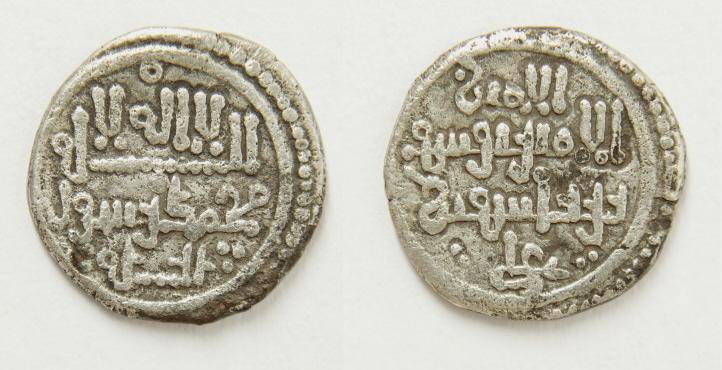
- Is the evidence coming from a geographer, a chronicle, an archaeological site, a coin, a manuscript tradition, or a modern synthesis?
What Sources Let Us Say
Levtzion and Hopkins give readers translated Arabic source material for West Africa and the Sahara. Hunwick helps with Timbuktu, Jenne, Songhay, and Moroccan Sa'dian expansion. Fauvelle frames medieval Africa through written and archaeological evidence. Bennison helps with Almoravid and Almohad imperial connections, while Constable helps keep Mediterranean commerce in view.
What Remains Cautious
Many surviving texts were written by elites, travelers, geographers, jurists, chroniclers, or later historians. Enslaved people, women, rural communities, caravan laborers, and non-literate communities can be harder to see. Where the record is uneven, this page avoids pretending certainty.
Working Conclusion
Trans-Saharan history belongs in Moor History Center because it explains real African and Mediterranean connections. The most useful conclusion is specific: name the route, period, community, source type, and claim before turning exchange into identity.