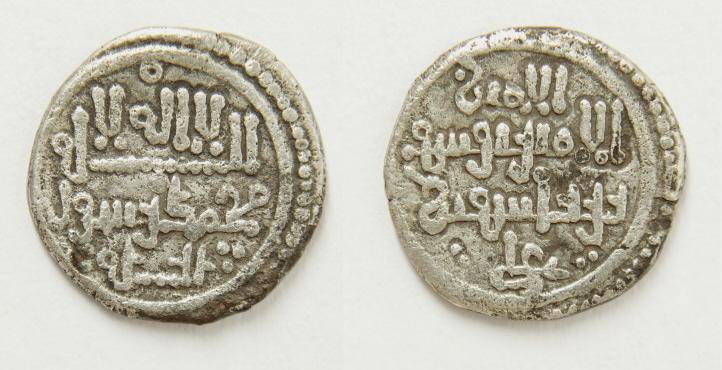

Yusuf ibn Tashfin was the Almoravid ruler whose Maghrebi state crossed into Iberia and changed the balance of power after the taifa period. He matters because his career connects Saharan and Maghrebi state-building with the political fate of al-Andalus.
Why This Person Matters
Yusuf ibn Tashfin helps readers see why al-Andalus cannot be understood as an Iberian story alone. Taifa rulers, Christian advances, Maghrebi military power, and religious reform all came together in the Almoravid intervention.
He also matters because he shows how "intervention" can turn into rule. Yusuf is the figure who makes readers ask when assistance under pressure becomes annexation, and how both descriptions can be true at different stages of the same process.
Historical Context
Read this profile through the eleventh century, when fragmented taifa politics met the expanding Almoravid movement centered in the western Maghreb. The result was not simply outside conquest or rescue; it was a restructuring of power across both shores.
His rise depended on pre-existing Maghrebi consolidation and on taifa appeals under pressure after Toledo's fall. That sequence is central: invitation, intervention, and takeover were stages in one evolving political process.
The coin used as the featured image is a useful kind of evidence for this page. It points readers toward sovereignty, circulation, and rule rather than toward later romantic portraiture. Yusuf matters because a Maghrebi polity under his leadership became durable enough to project authority into Iberia, not because he fits a single moral role in later narratives.
What We Can Say With Care
The record supports Yusuf ibn Tashfin's importance as an Almoravid ruler and military leader. The page should avoid simplifying him into either savior or invader; his role depended on the alliances, pressures, and ambitions of multiple political actors.
Good framing keeps both perspectives visible: he was called in by some Andalusi rulers, and his state later absorbed many of those same polities.
It is also careful to treat Sagrajas not as the whole story, but as one turning point inside a larger transformation. Yusuf matters less because of a single battle in isolation than because that victory strengthened a political pathway to wider Almoravid authority.
Evidence Limits
Names, titles, spellings, and reputations often shift across Arabic, Latin, Romance, Hebrew, and modern scholarly traditions. Treat exact anecdotes cautiously unless a source trail is clear. Yusuf's memory can be pulled toward either rescue or takeover narratives; both need to be tested against taifa politics and Almoravid state-building.
Readers should resist the temptation to make taifa rulers passive background figures in this story. Their appeals, rivalries, and failures mattered. A good Yusuf page should preserve Andalusi political agency while still showing how decisively Almoravid power altered the field.
What To Watch For
- Invitation, intervention, and takeover as separate but linked stages.
- Saharan and Maghrebi state formation behind Iberian events.
- Sagrajas as turning point, not total explanation.
- The limits of "rescuer" and "invader" as single labels.
Connected Reading
Read Yusuf through Marrakesh and the Almoravid articles first, then follow Sagrajas and the 1090-1094 takeover to see how invitation, military support, and imperial consolidation became intertwined. Alfonso VI and Toledo show the pressure that made Almoravid intervention possible.