Biography Route
Poets, Writers, And Court Memory
Use literary biographies as human entry points into taifa and court culture.
Browse commanders, scholars, rulers, writers, patrons, and other figures connected to Moor history.
Follow themes like architecture, terminology, law, trade, and myth checking.
Browse by geography, including al-Andalus, the Maghreb, Iberia, and wider connected regions.
Move through the record by century, dynasty, and major historical period.
Use cities, monuments, regions, and institutions as map-like entry points.
Check common public claims against evidence, source limits, and editorial verdicts.
These routes use featured media as entry points, then send readers into articles, people, places, and claim checks that add context.
Biography Route
Use literary biographies as human entry points into taifa and court culture.
Biography Route
Follow philosophy, medicine, law, and multilingual learned life across regions.
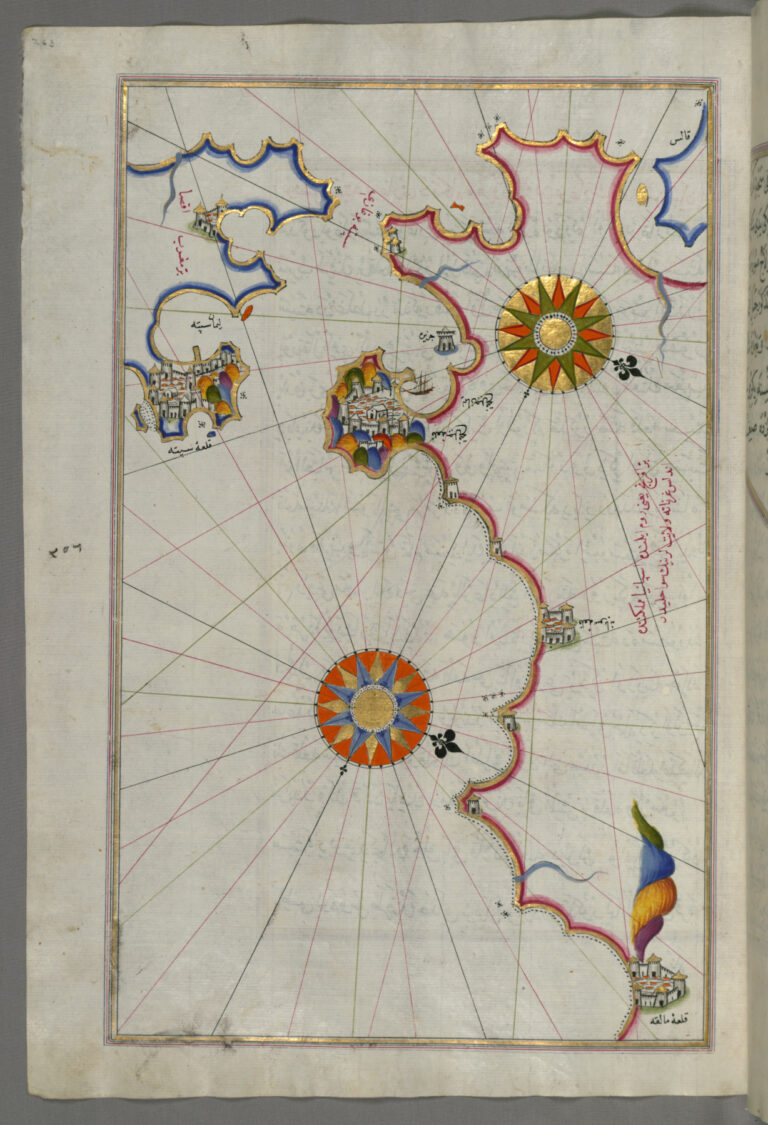
Umayyad governor and commander in North Africa whose campaigns, administration, and rivalry with later memory figures help frame the opening phase of al-Andalus.
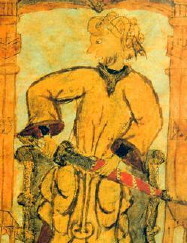
Commander associated with the 711 crossing into Iberia, central to how readers first encounter the opening of al-Andalus but best understood through careful source limits rather than legend.
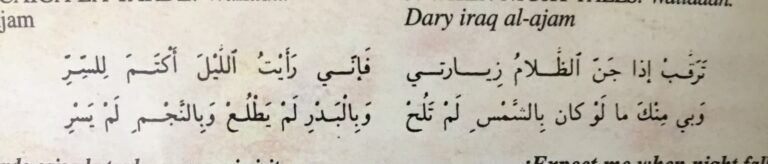
Cordoban poet and elite woman of the taifa period whose remembered voice helps readers approach gender, literary culture, poetic exchange, and urban sociability in eleventh-century al-Andalus.
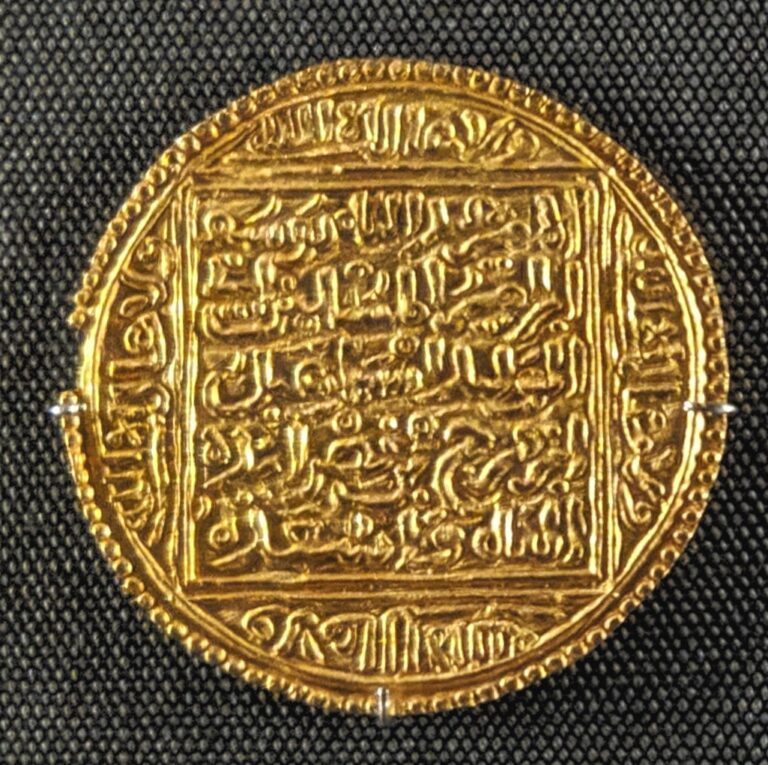
Nasrid ruler of Granada whose reign helps readers connect court patronage, diplomacy, defense, and the making of Alhambra-era political culture.
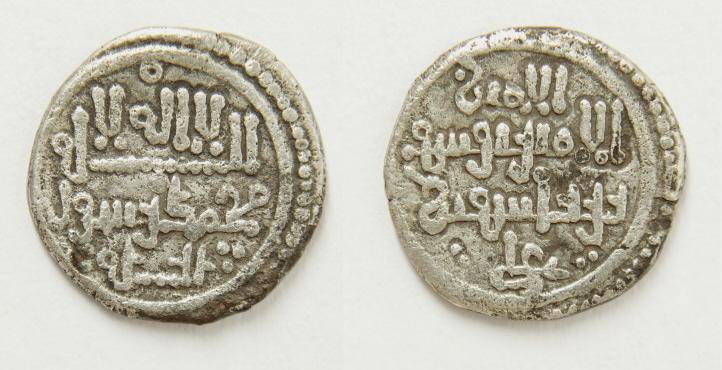
Almoravid ruler whose Maghrebi state crossed into Iberia and changed the balance of power after the taifa period.
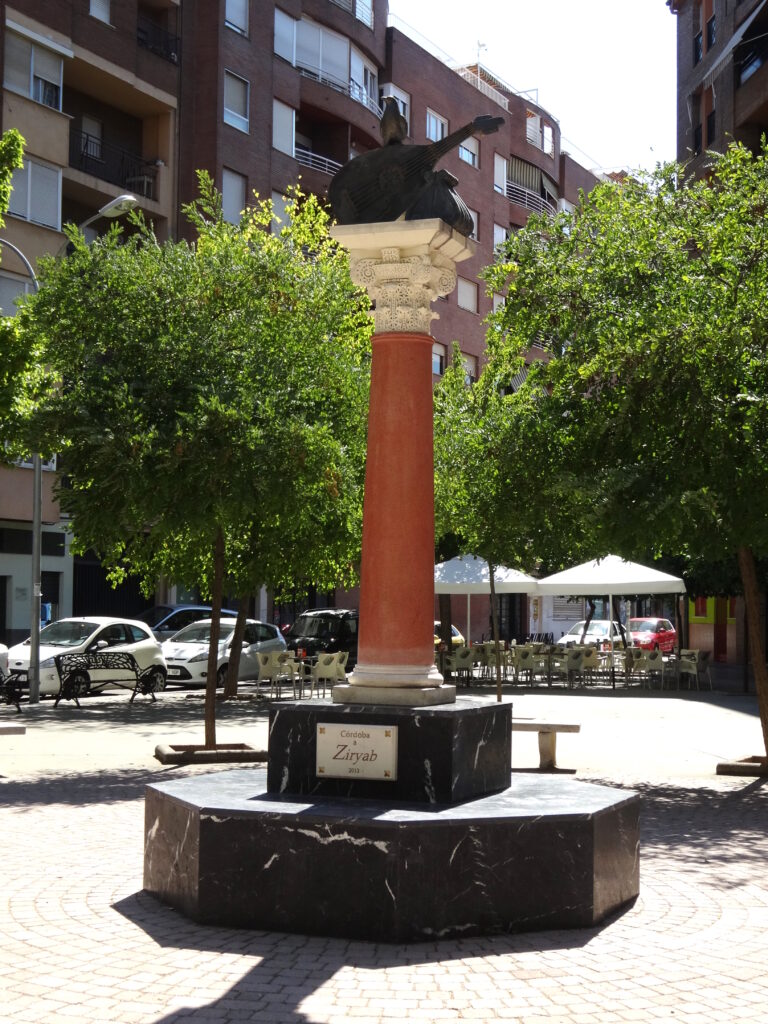
Musician and court cultural figure associated with early Cordoba, useful for readers tracing taste, performance, etiquette, and the making of refined courtly memory.