Why Economy Changes the Story
Moorish history is not only battles, buildings, and famous names. Markets, ports, taxes, tribute, coins, trade routes, captives, enslaved people, merchants, artisans, and diplomats shaped what rulers could do.
Economic history keeps the story grounded. It asks what moved, who profited, who was coerced, and which sources can prove it.
Mediterranean and Iberian Networks
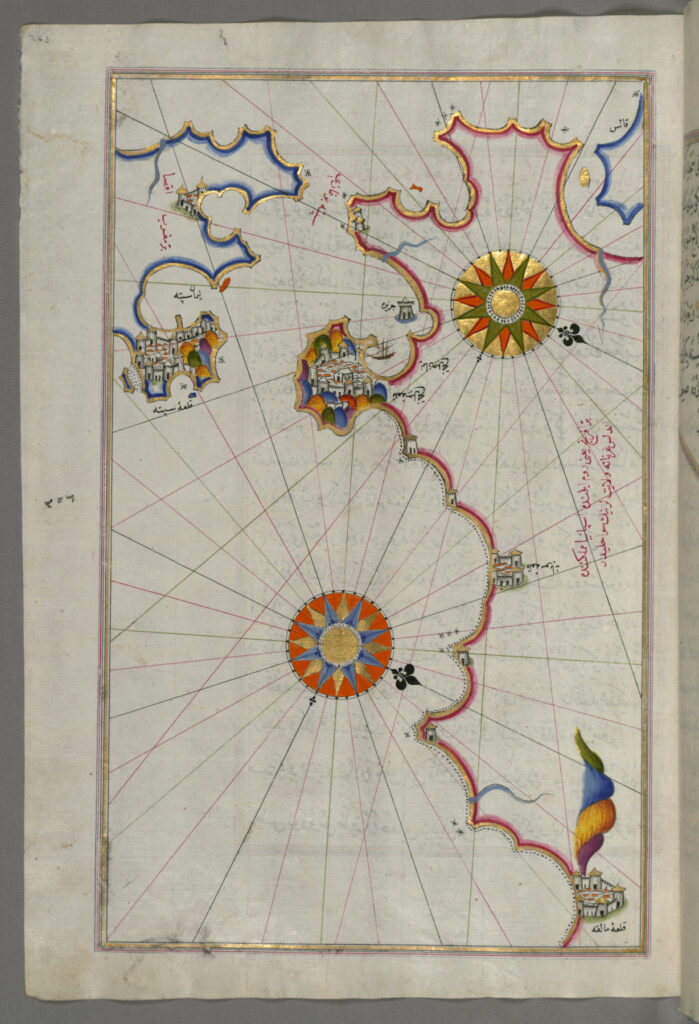
Al-Andalus was connected to Mediterranean trade through ports, commodities, diplomatic relationships, and merchant communities. Iberian cities and frontier zones were not isolated from North Africa or Christian kingdoms.
Trade did not erase conflict. Commercial exchange, tribute, raiding, ransom, and diplomacy could operate in the same world.
Trans-Saharan Connections
The Sahara linked North Africa with West Africa through gold, salt, scholarship, enslaved people, and political authority. These routes help explain why the Maghreb matters so much for Moorish history.
Readers should avoid two mistakes. One mistake is ignoring African economic centrality. The other is treating every trans-Saharan fact as direct proof for every claim about al-Andalus. The evidence is strongest when claims name routes, goods, dates, and sources.
Gold, Coinage, and State Power
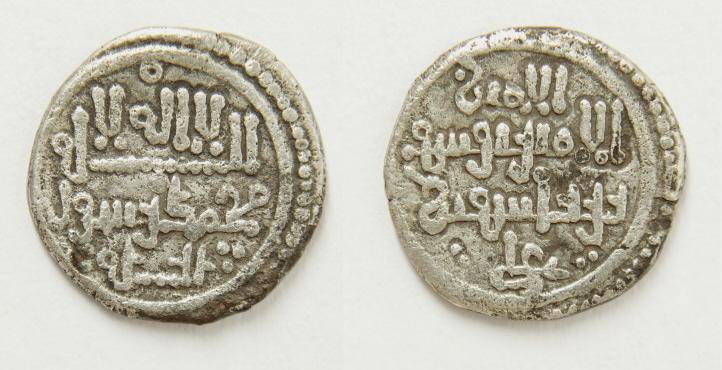
Coins and fiscal systems are evidence. They show authority, minting, political messaging, metal flows, and administrative capacity.
Taxation also matters. Zakat, jizya, tribute, market regulation, and fiscal extraction shaped governance, but terms should be defined carefully. A tax term in law does not automatically tell us how every local situation worked in practice.
Diplomacy Across Faith Lines
Muslim and Christian rulers negotiated, allied, exchanged envoys, paid tribute, broke agreements, and used diplomacy strategically. Religious identity mattered, but it did not prevent practical politics.
This is one reason simple civilizational conflict narratives fail. The evidence shows war and negotiation together.
Slavery, Captivity, and Ransom
Slavery and captivity must not be softened. Al-Andalus, the Maghreb, Christian Iberia, the Mediterranean, and Saharan systems all included coercive labor, captives, ransom economies, and legal categories that require careful treatment.
The point is not to reduce Moorish history to slavery. The point is to tell the truth clearly enough that the site remains credible.
Ports and Place Anchors
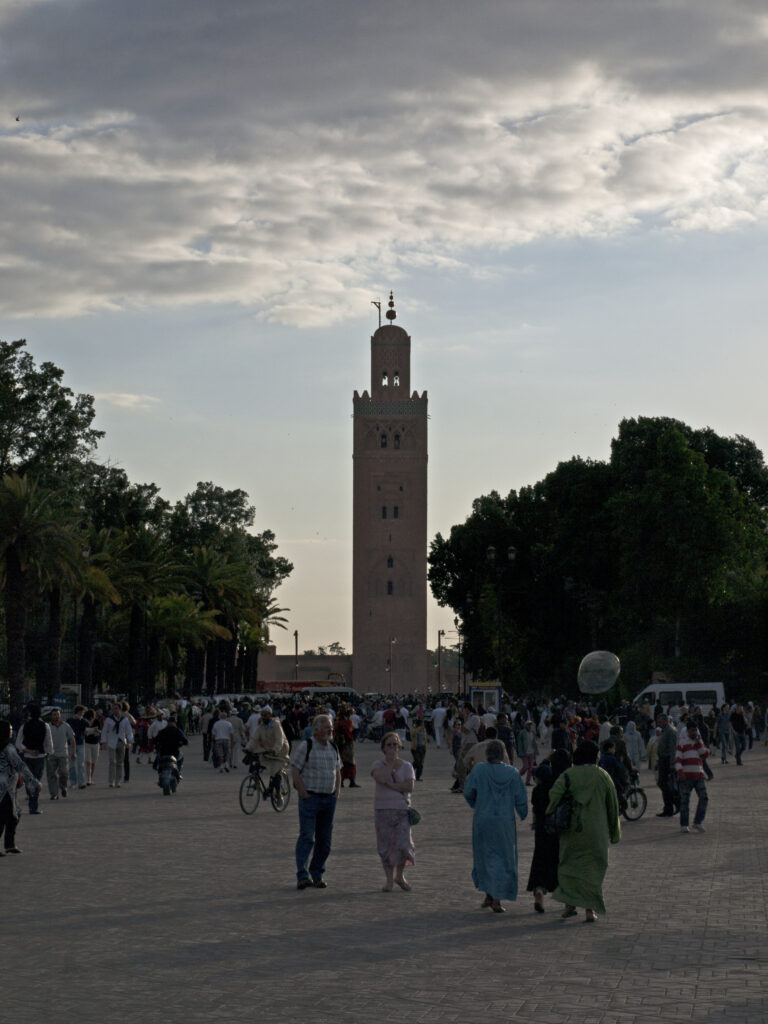
Ceuta, Tangier, Seville, Valencia, Fez, Marrakesh, and Cordoba help readers anchor economic claims in geography.
When a claim has no place, route, source, or date, it is probably too broad.
Evidence Frame
Trade and diplomacy can be studied through contracts, letters, coins, chronicles, legal texts, archaeological evidence, ports, commodities, and later scholarship. The evidence is uneven, so strong pages distinguish documented systems from plausible interpretation.
Sources and Further Reading
- Constable, Olivia Remie. Trade and Traders in Muslim Spain
- Fauvelle, Francois-Xavier. The Golden Rhinoceros
- Levtzion and Hopkins. Corpus of Early Arabic Sources for West African History
- Hunwick, John. Timbuktu and the Songhay Empire
- Bennison, Amira. The Almoravid and Almohad Empires
- Catlos, Brian A. Kingdoms of Faith