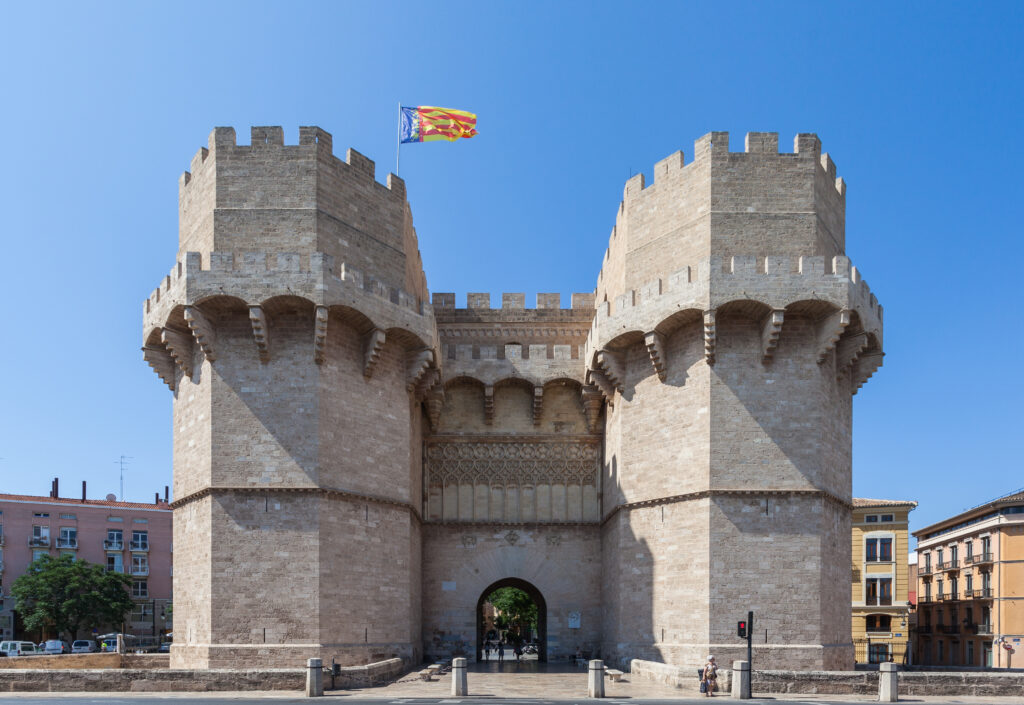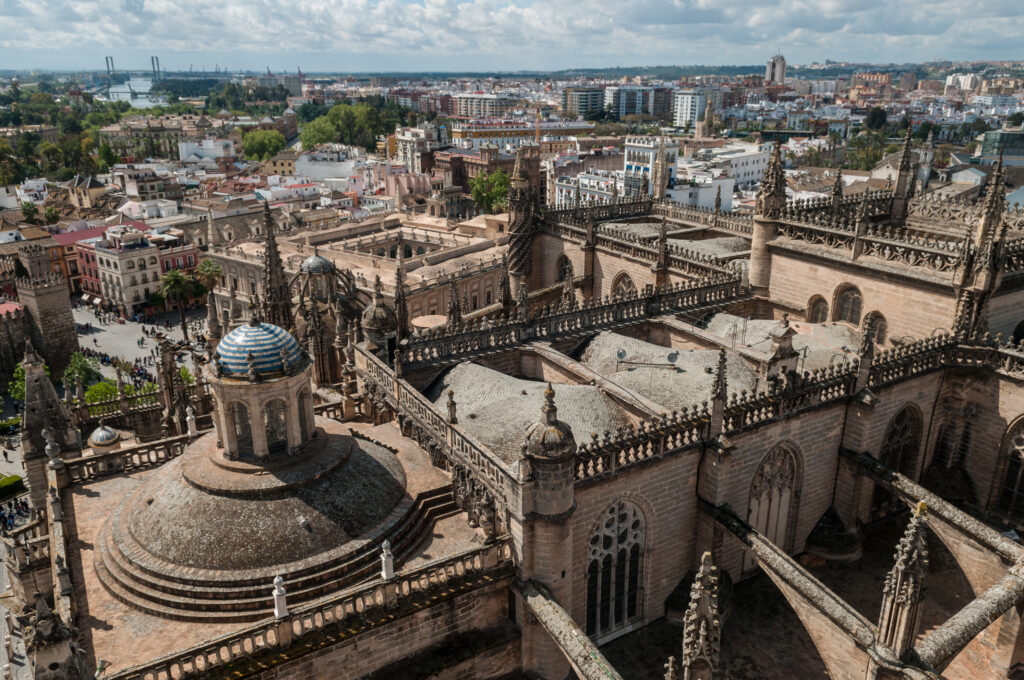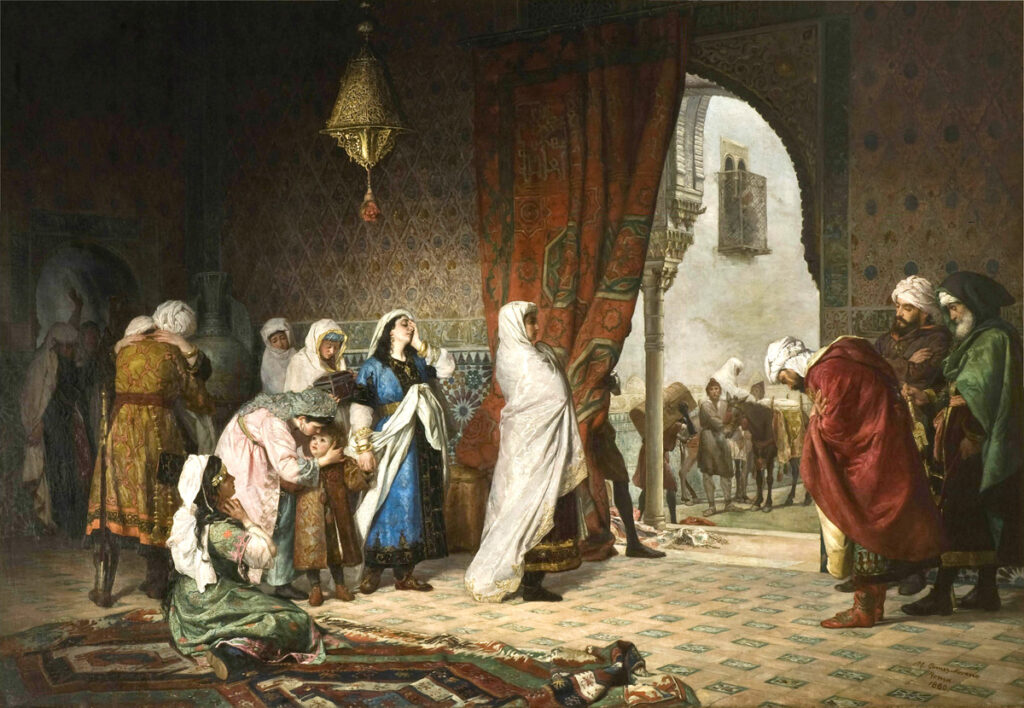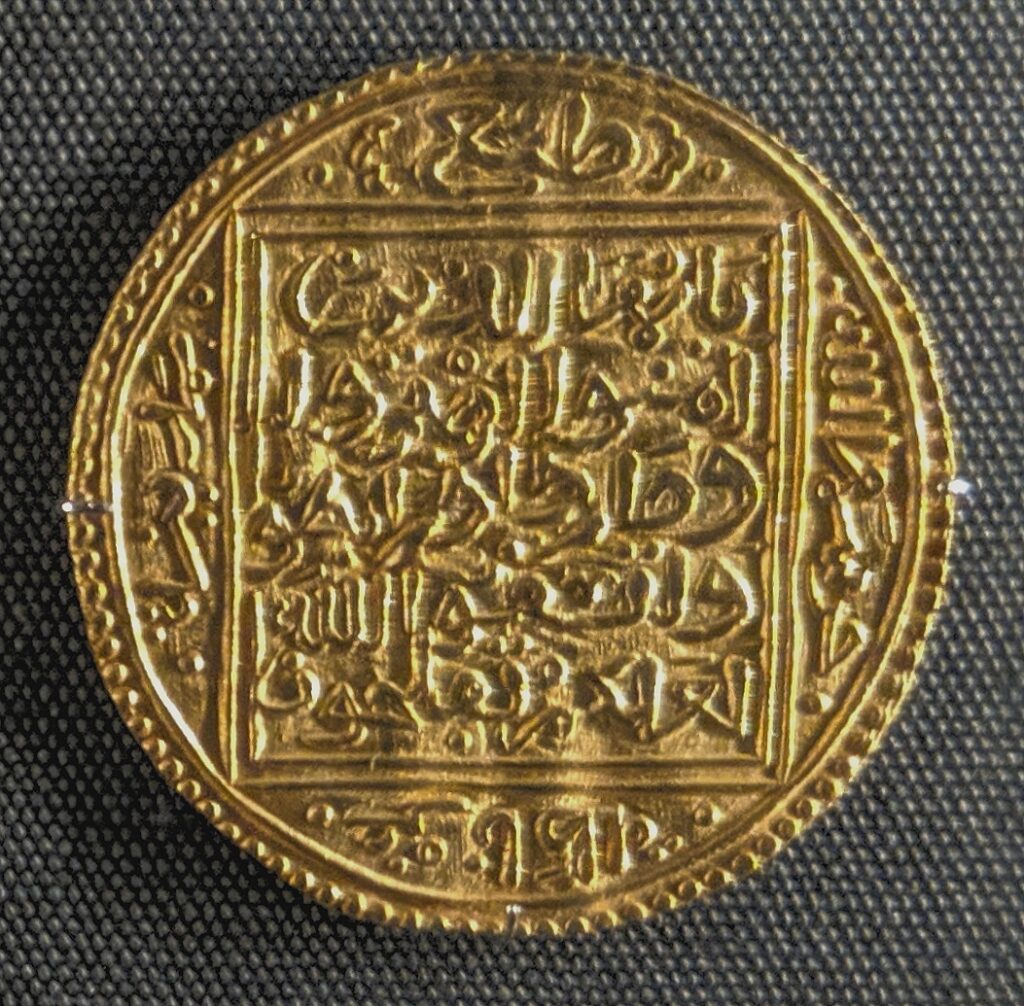
The Moriscos: Conversion, Revolt, Expulsion

The Alhambra and Sierra Nevada seen from the Albaicin in Granada.

Purpose

This route follows the long post-1492 story: surrender, terminology, forced conversion, revolt, expulsion, diaspora, and memory. It keeps policy, lived experience, and later public memory separate.

How to Read This List

Move in order. The terms come first because Mudejar and Morisco are not interchangeable. Use the timeline entries to keep chronology clear, then open source records before making broad claims about motive, scale, or consequence.

Evidence Guardrail

The Morisco story is often used to support simple endings or simple continuities. This route treats it as a contested, documented, painful process shaped by law, coercion, local practice, resistance, exile, and memory.

Editorial Goal

The goal is careful continuity. Readers should understand why 1492 matters, why it did not settle everything immediately, and why later Morisco history needs its own evidence.

Next Route

After this route, continue to Legacy and Modern Usage for memory and public presentation, or back to Law, Religion, and Institutions for the institutional background behind conversion policy.


Reading Order

  1. Article1492 and After: What Changed (and What Didn’t) Immediately

    Start by separating the surrender of Granada from the policies that followed over decades.

  2. ArticleMudejar vs Morisco: Terms, People, Policies

    Lock in the terms before reading later conversion, revolt, and expulsion pages.

  3. ArticleForced Conversions (1502, 1526): What the Decrees Did and Didn’t Do

    Read the decrees as policy actions with uneven timing, enforcement, and local consequences.

  4. TimelineForced conversion decree in Castile

    Use the timeline entry to pin Castile's policy shift to a concrete date.

  5. TimelineForced conversions extended in Aragon

    Add Aragon so the route does not treat all Iberian kingdoms as moving at once.

  6. ArticleThe War of the Alpujarras (1568-1571): Revolt and Repression

    Read revolt and repression as part of the pressure between policy, identity, community, and force.

  7. ArticleThe Morisco Expulsion (1609-1614): Causes, Process, Consequences

    Move to expulsion only after the conversion and revolt context is clear.

  8. TimelineExpulsion of the Moriscos

    Use the timeline entry to keep expulsion as a multi-year process.

  9. ArticleMuseums, Monuments, and Memory: How Moor History Is Presented Today

    Finish with memory, presentation, and how modern publics encounter this history.

  10. SourceHarvey, L. P. Muslims in Spain, 1500 to 1614

    Use Harvey when later Muslim and Morisco history needs a specialist anchor.

Sources

Partner learning path

Moor history and Muur foundations work best as related, distinct paths.

MoorofUs.org focuses on Moor history and historical context. TheFoundationsOf.us explores foundations, Muur history, ancestral memory, place-based research, and community learning. Use both sites together to move from sourced history into deeper identity and foundation research.

Independent support

Help keep this work independent

This article is part of an independent cultural learning network built around source-aware storytelling, careful research, and responsible public education. Support helps fund source notes, timelines, corrections, research guides, and continued publishing.

Organizations, educators, publishers, bookstores, archives, creators, and cultural institutions can also become self-serve sponsors of the network.