Editorial Summary
Mudejar and Morisco are related terms, but they do not mean the same thing. Mudejar usually refers to Muslims living under Christian rule. Morisco usually refers to people converted from Islam to Christianity, and their descendants, especially after forced conversion policies.
Why the Difference Matters
The difference is not just vocabulary. It marks a change in power, law, religion, surveillance, and risk. A Mudejar community could still be officially Muslim under Christian rule, even under restrictions. A Morisco community was officially Christian, often under pressure to abandon Islamic practice, Arabic, customs, dress, books, and inherited memory.
Confusing the terms makes the post-1492 story blurry. It can make forced conversion look like normal cultural change, or make every Muslim under Christian rule look like a secret convert before the policy actually changed.
Mudejar
Mudejar refers to Muslims living under Christian rule in medieval Iberia. The exact conditions depended on the kingdom, city, treaty, ruler, and period. Some communities negotiated rights after conquest. Others faced changing restrictions over time.
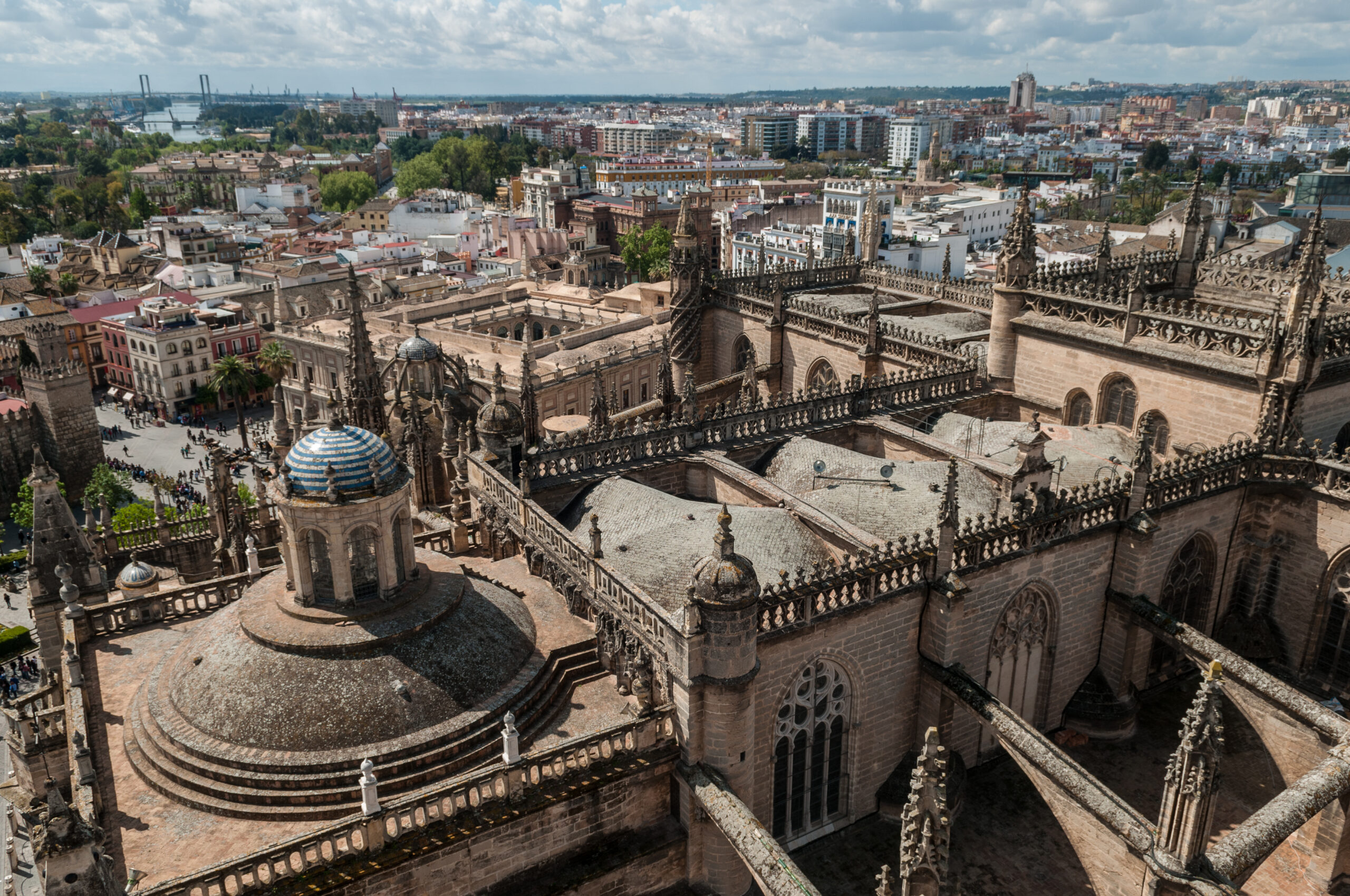
The word also appears in art history, where Mudejar can describe Islamic-influenced craft and architecture produced in Christian-ruled settings. That artistic meaning is related, but it should not replace the people-and-policy meaning.
Morisco
Morisco refers to converts from Islam and their descendants, especially in the sixteenth and early seventeenth centuries. The category grew out of forced conversion policies in Castile and the Crown of Aragon. It was shaped by suspicion, policing, assimilation pressure, Arabic manuscript survival, resistance, and eventually expulsion.
This is why Morisco history belongs to early modern Iberia, not to every century of al-Andalus.
Turning Points
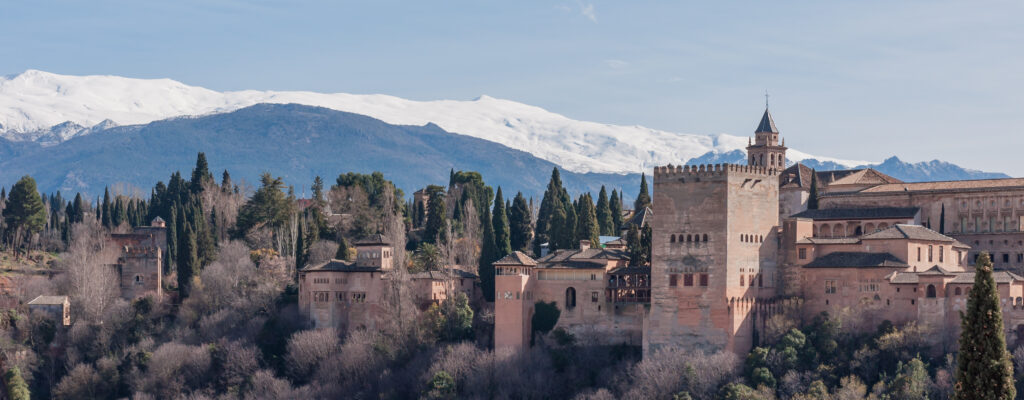
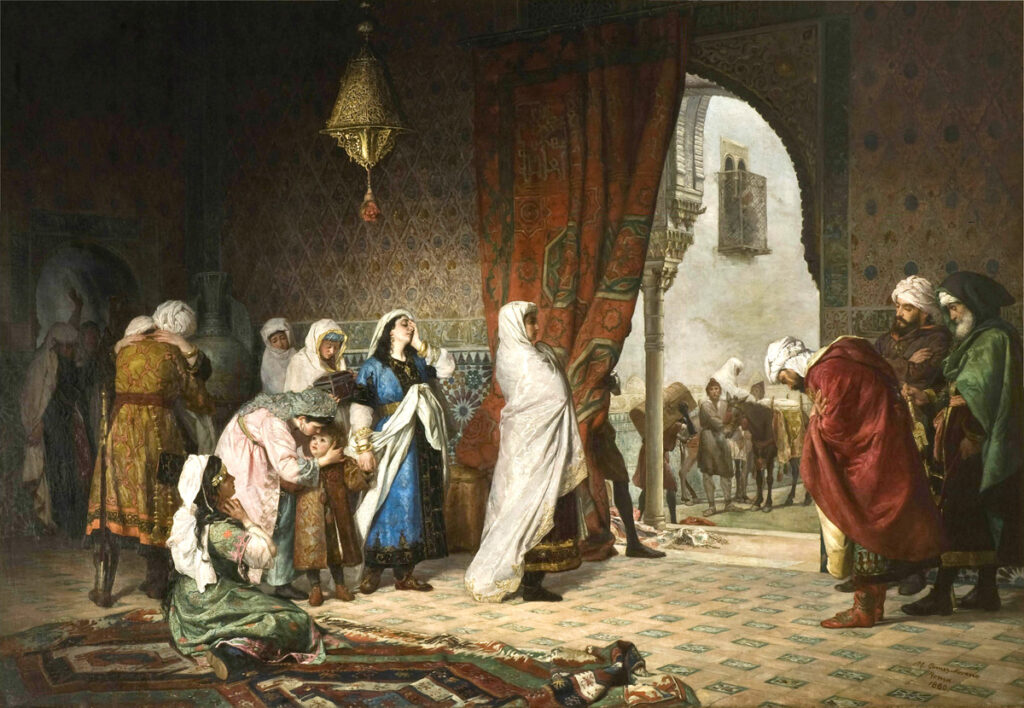
- 1492: Granada surrendered to Castile and Aragon.
- 1502: Forced conversion decree in Castile.
- 1526: Forced conversions in the Crown of Aragon.
- 1568-1571: War of the Alpujarras.
- 1609-1614: Expulsion of the Moriscos.
These dates do not explain every local experience, but they give readers a backbone for the policy shift.
What Changed
The shift from Mudejar to Morisco changed public religious status. It also changed what authorities claimed they were regulating: not only political loyalty, but belief, ritual, language, dress, books, marriage, foodways, and memory.
What Remains Cautious
Sources often come from royal officials, church authorities, polemicists, or hostile observers. Morisco voices survive unevenly, sometimes indirectly and sometimes through texts written under pressure. A careful page avoids pretending we can read every household's private belief.
Working Conclusion
Use Mudejar for Muslims under Christian rule before forced conversion changed their official status. Use Morisco for converts from Islam and their descendants in the post-conversion world. The distinction helps readers see how conquest, policy, and identity changed over time.

.jpg)