Claim Being Tested
Spain Was Muslim for 700 Years Everywhere
Editorial Summary
The common "700 years" line points toward the long history of al-Andalus, but it can mislead readers if it sounds like every part of modern Spain was Muslim-ruled for one uninterrupted period.
This is one of the site's most useful myth checks because the slogan is close enough to a real historical timespan to feel convincing. The correction is not "the history was short." The correction is that duration, geography, and political control did not line up evenly.
What the Evidence Supports
The evidence supports Muslim rule in parts of Iberia from the early eighth century to the surrender of Granada in 1492. It also supports major regional changes: northern Christian polities, shifting frontiers, taifa fragmentation, Maghrebi interventions, Castilian and Aragonese expansion, and the survival of Nasrid Granada.
That is a long history. It is not a flat map.
That last point matters more than the slogan admits. A long duration can still be geographically uneven. The evidence is strongest when the page names cities, regions, and turning points rather than treating the peninsula as a single block under one unbroken regime.
What the Claim Gets Wrong
The claim uses Spain as if modern national borders existed in the same way during the medieval period. It also treats political control as if it covered every region equally.
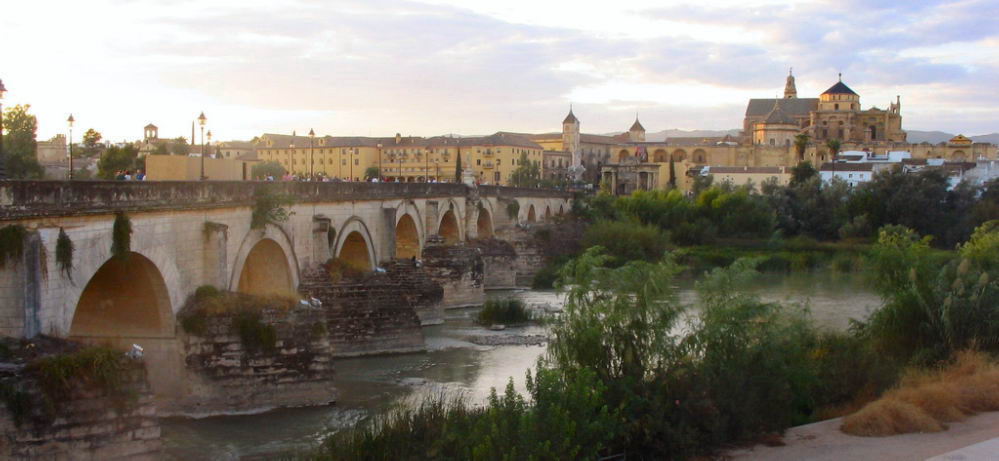
Toledo fell to Castile in 1085. Cordoba fell in 1236. Seville fell in 1248. Granada remained under Nasrid rule until 1492. Those dates alone show why the broad wording needs repair.
It also blurs different political forms into one sentence. Emirate, caliphate, taifa kingdoms, Almoravid intervention, Almohad rule, and Nasrid survival are not interchangeable phases. The slogan is too smooth for the actual history.
Why the Claim Matters
The claim matters because it gives readers an easy entry point into al-Andalus. The site should keep the entry point while improving the wording.
It also matters because map slogans shape everything downstream. If a reader starts with "Spain was Muslim everywhere for 700 years," they are already more likely to misread conquest, architecture, legal status, and later memory. Fixing the map claim improves the whole site.
How to Read the Sources
Read political histories with maps and dates in mind. Ask which city, region, dynasty, or frontier is being described. Avoid using Spain when al-Andalus, Iberia, Castile, Aragon, Portugal, or Granada would be more precise.
Then ask whether the source is describing formal rule, demographic presence, military pressure, or later memory. Those are not the same thing, and the slogan often collapses them together.
What This Myth Check Should Teach
After reading this page, a visitor should be able to:
- distinguish duration from territorial uniformity
- name a few key turning points that changed the map
- use al-Andalus and Spain more carefully
- recognize why region-by-region history is stronger than peninsula-wide slogan history
Working Conclusion
A better formulation is: "Muslim rule existed in parts of Iberia from 711 to 1492, but its geography, rulers, and social conditions changed dramatically across time."

_-_panoramio.jpg)