Editorial Summary
Al-Andalus and Morocco are connected, but they are not the same label. Al-Andalus names Muslim-ruled Iberian spaces whose boundaries shifted across time. Morocco is a modern national frame that overlaps with, but does not replace, medieval terms such as Maghreb, Marrakesh, Fez, Almoravid, Almohad, Marinid, or Nasrid diplomacy.
This distinction matters because many weak summaries treat the two as interchangeable simply because the strait is narrow and the histories are intertwined. Intertwined is not the same as identical.
Why the Confusion Happens
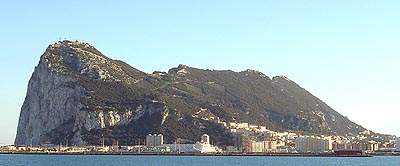
The Strait of Gibraltar makes the history look close because it was close. People, armies, merchants, scholars, books, captives, diplomats, crafts, and dynastic claims crossed between Iberia and North Africa. That movement is central to Moor history.
But connection is not identity. A page about Cordoba, Seville, or Granada is not automatically a page about modern Morocco. A page about Marrakesh, Fez, or Tinmal is not automatically a page about all al-Andalus. The terms need to move with the evidence.
Modern readers are especially prone to collapse the terms because nation-states feel intuitive. Medieval history was usually organized more through dynasties, cities, regions, courts, and confessional worlds than through today's national containers.
What al-Andalus Means
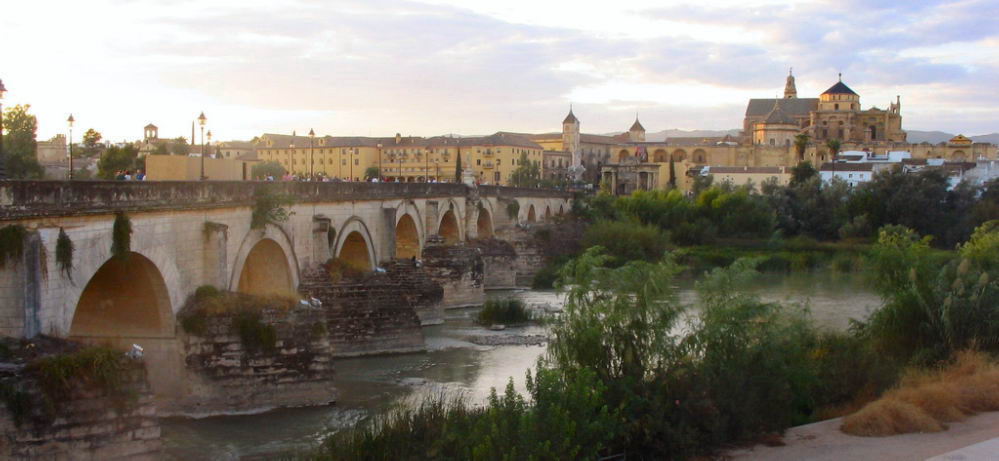
Al-Andalus refers to parts of the Iberian Peninsula under Muslim rule. Its geography changed. In the eighth century it could name a large Muslim-ruled Iberian zone. By the Nasrid period, Muslim rule in Iberia had contracted to Granada. Treating every period as if it had the same map creates bad history.
That shifting geography is why al-Andalus works best as a historical term rather than a fixed territorial shape. The name tracks a political and cultural world whose borders moved.
What Morocco Means Here
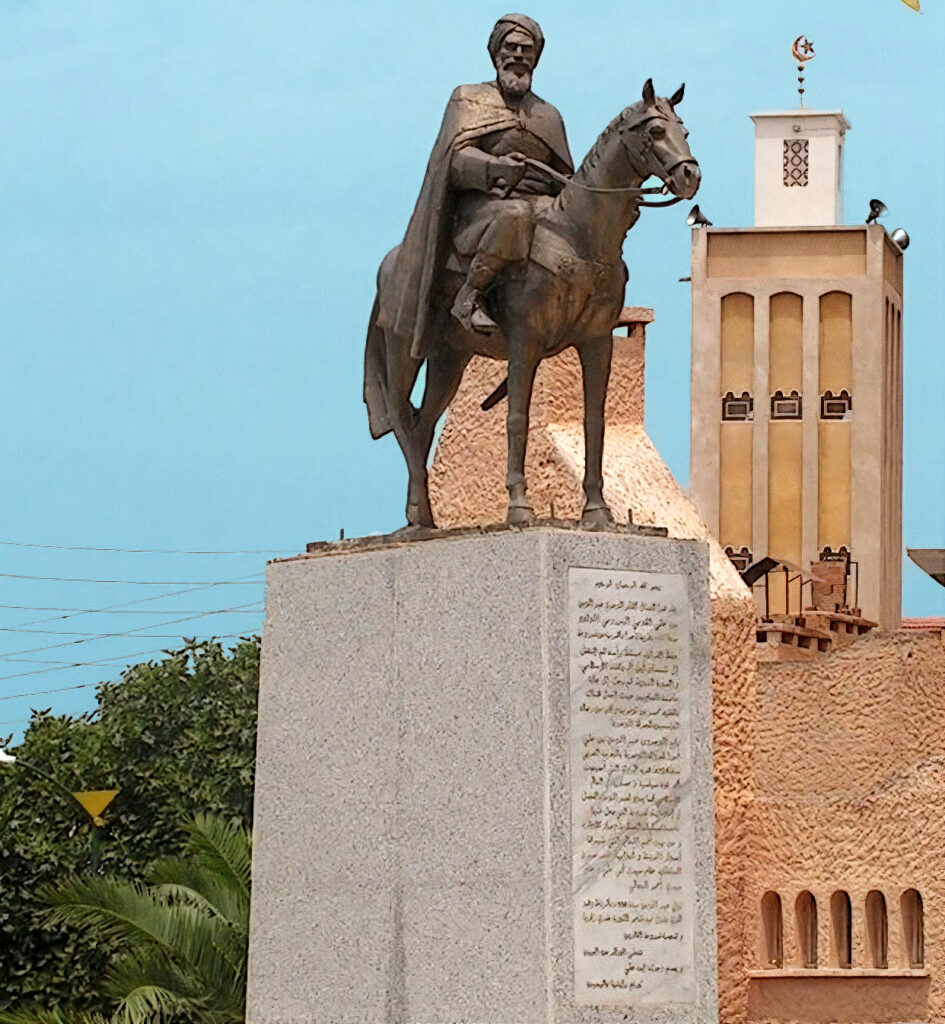
Morocco is a useful modern label when we are talking about places now inside the Moroccan state, such as Fez, Marrakesh, Tangier, or Tinmal. For medieval history, it is usually better to ask which polity or region was active: Idrisid Fez, Almoravid Marrakesh, Almohad power, Marinid diplomacy, or wider Maghreb networks.
Using the more specific medieval frame usually makes the claim stronger. "Almohad power" or "Marinid diplomacy" tells the reader more than "Morocco" when the subject is political history.
Why the Maghreb Matters
The Maghreb is not background scenery. Almoravid and Almohad power reshaped al-Andalus. North African routes connected Iberia to Saharan, Mediterranean, and scholarly worlds. The story of "the Moors" cannot be told only from Iberia.
At the same time, the Maghreb is not one timeless political unit. Its cities, dynasties, tribes, languages, and institutions changed.
This is the double lesson readers need: do not isolate Iberia from North Africa, and do not flatten North Africa into one permanent political actor either.
Safer Wording
- Use "al-Andalus" when the evidence concerns Muslim-ruled Iberia.
- Use "Maghreb" when the evidence concerns western North Africa as a region.
- Use "Morocco" for modern geography, or when a medieval place lies in present-day Morocco.
- Use dynasty names such as Almoravid or Almohad when the political actor is clear.
This small vocabulary discipline does a great deal of historical work. It keeps modern borders from doing interpretive work they should not be doing.
Working Conclusion
The best Moor history keeps both sides of the strait visible without merging them. Al-Andalus, Morocco, and the Maghreb are related historical frames; careful writing names which one the evidence actually supports.