Purpose
This route moves away from only rulers and battles. It follows social rank, cities, markets, food, clothing, gender, religious minorities, slavery, and source limits.
How to Read This List
Read from social structure into daily settings, then into harder topics. Open the city and person records when you need a concrete anchor. Treat every broad statement about "Moorish society" as a prompt to ask which place, century, class, and source type is being discussed.
This route works best when readers think from the ground up. Start with rank, work, and urban setting before moving into food, clothing, family, and minority life. That order matters because daily life was structured by inequality, infrastructure, and institutional pressure before it was expressed through culture or taste.
Sensitive Evidence
Everyday life can be tempting to romanticize. This route keeps beauty, learning, labor, inequality, religious boundaries, enslavement, gender, and violence in the same field of view.
It also helps correct another common distortion: the idea that "ordinary life" is automatically more authentic than political history. In practice, daily life is often harder to reconstruct. Much of it survives through law, contracts, travel writing, archaeology, and elite description, which means readers have to work harder, not less, to avoid false certainty.
Editorial Goal
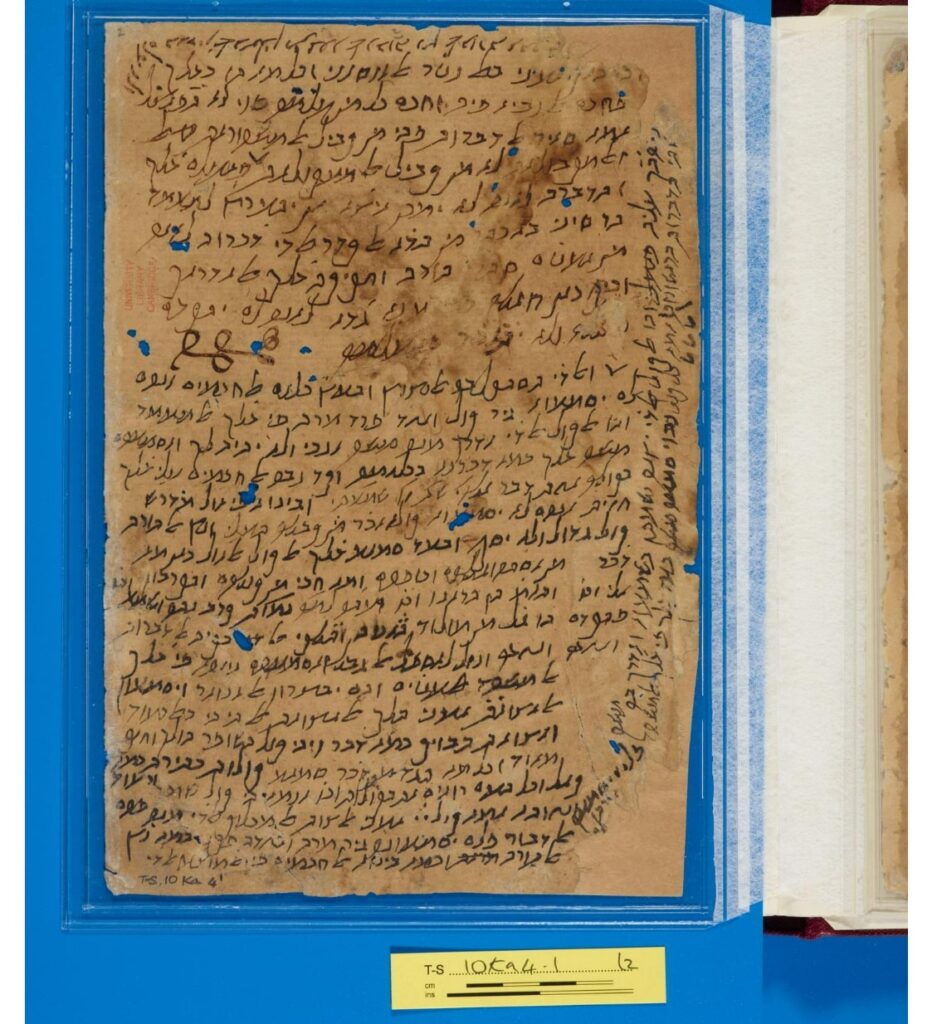
The goal is to make social history visible without pretending the evidence is even. Some lives are richly documented; others survive only through law, contracts, hostile descriptions, archaeology, or traces in later memory.
Next Route
After this path, continue to Law, Religion, and Institutions for the rules and offices behind everyday life, or to Language and Literature for the cultural practices that moved through elite and urban settings.