Purpose
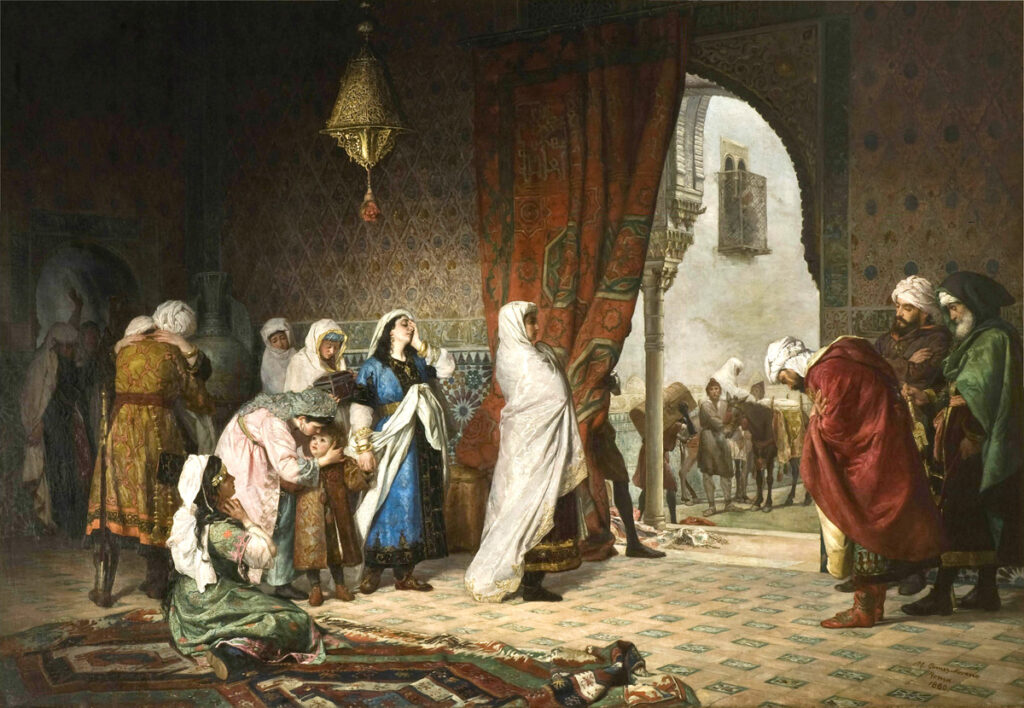
This route follows the long post-1492 story: surrender, terminology, forced conversion, revolt, expulsion, diaspora, and memory. It keeps policy, lived experience, and later public memory separate.
How to Read This List
Move in order. The terms come first because Mudejar and Morisco are not interchangeable. Use the timeline entries to keep chronology clear, then open source records before making broad claims about motive, scale, or consequence.
Evidence Guardrail
The Morisco story is often used to support simple endings or simple continuities. This route treats it as a contested, documented, painful process shaped by law, coercion, local practice, resistance, exile, and memory.
Editorial Goal
The goal is careful continuity. Readers should understand why 1492 matters, why it did not settle everything immediately, and why later Morisco history needs its own evidence.
Next Route
After this route, continue to Legacy and Modern Usage for memory and public presentation, or back to Law, Religion, and Institutions for the institutional background behind conversion policy.