Daily Life in Moorish Societies

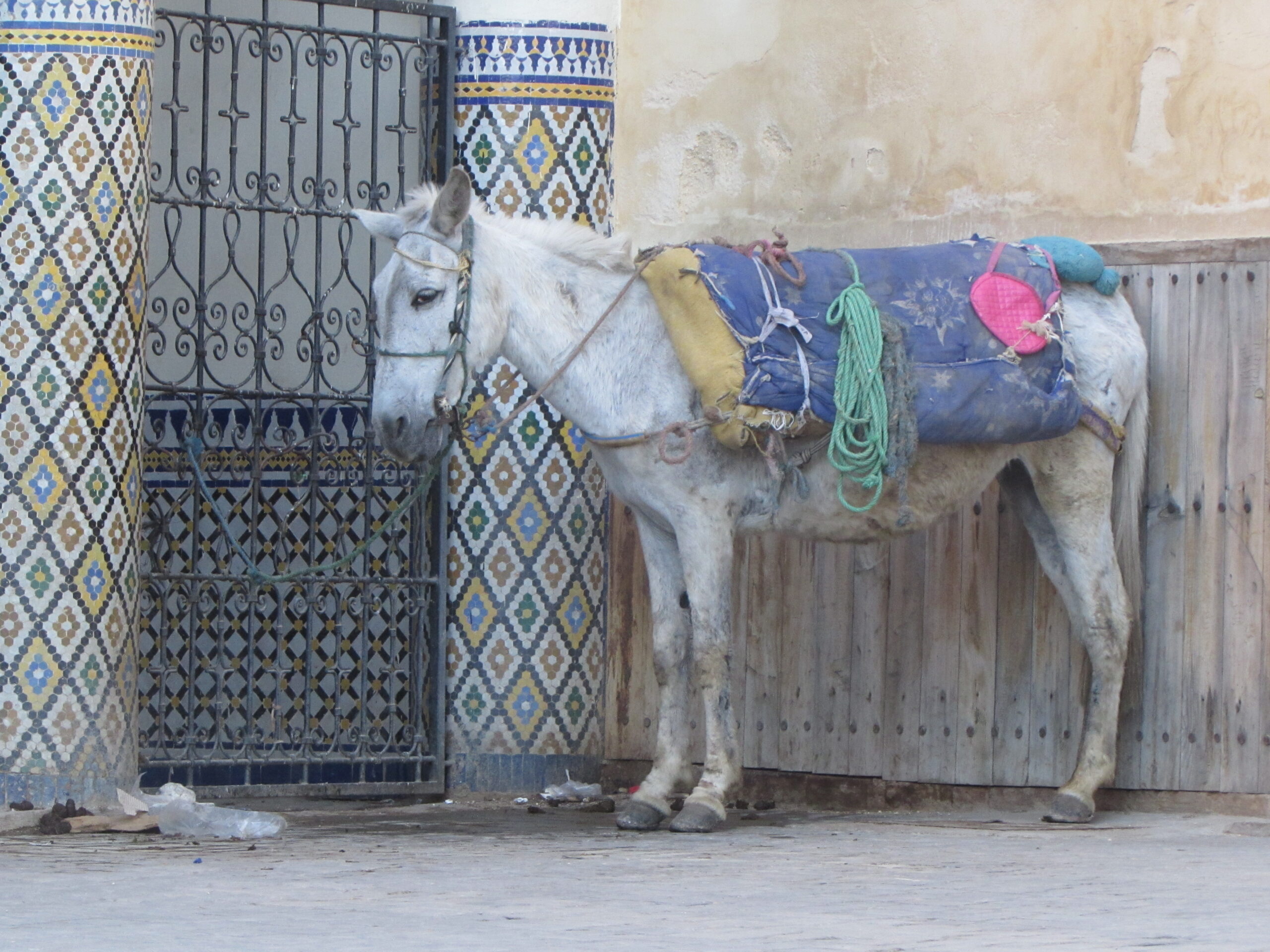
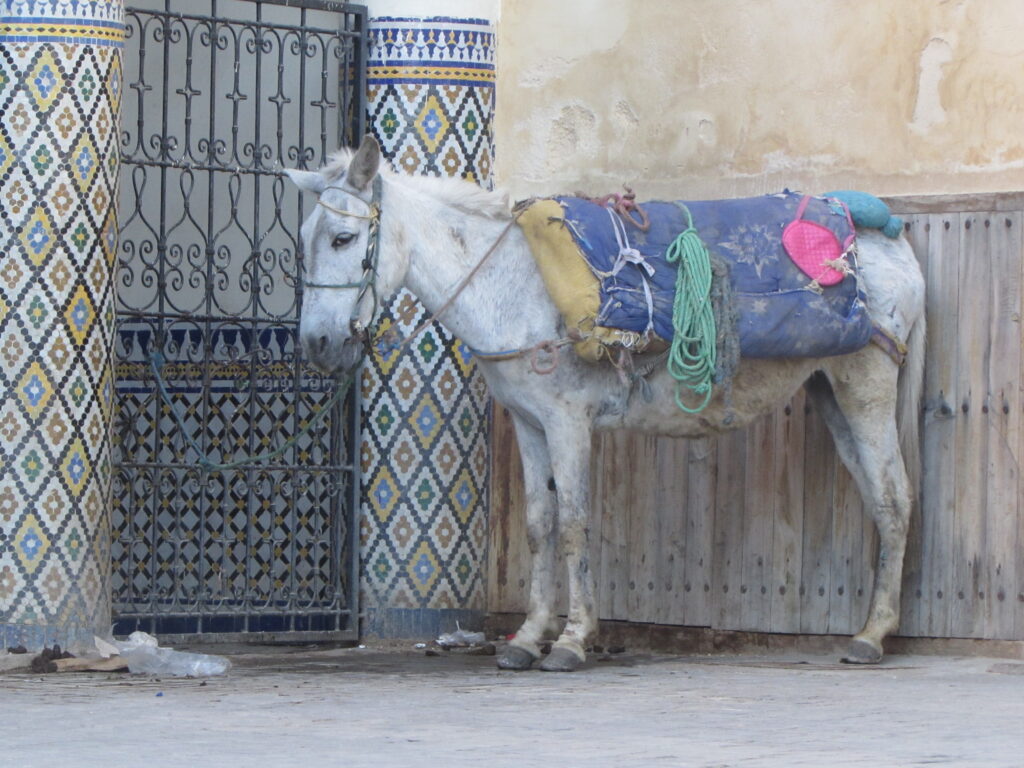
A pack animal moving goods through a lane in the medina of Fez.

Purpose

This route moves away from only rulers and battles. It follows social rank, cities, markets, food, clothing, gender, religious minorities, slavery, and source limits.

How to Read This List

Read from social structure into daily settings, then into harder topics. Open the city and person records when you need a concrete anchor. Treat every broad statement about "Moorish society" as a prompt to ask which place, century, class, and source type is being discussed.

This route works best when readers think from the ground up. Start with rank, work, and urban setting before moving into food, clothing, family, and minority life. That order matters because daily life was structured by inequality, infrastructure, and institutional pressure before it was expressed through culture or taste.

Sensitive Evidence

Everyday life can be tempting to romanticize. This route keeps beauty, learning, labor, inequality, religious boundaries, enslavement, gender, and violence in the same field of view.

It also helps correct another common distortion: the idea that "ordinary life" is automatically more authentic than political history. In practice, daily life is often harder to reconstruct. Much of it survives through law, contracts, travel writing, archaeology, and elite description, which means readers have to work harder, not less, to avoid false certainty.

Editorial Goal

The goal is to make social history visible without pretending the evidence is even. Some lives are richly documented; others survive only through law, contracts, hostile descriptions, archaeology, or traces in later memory.

Next Route

After this path, continue to Law, Religion, and Institutions for the rules and offices behind everyday life, or to Language and Literature for the cultural practices that moved through elite and urban settings.
Reading Order

  1. ArticleSociety and Daily Life

    Begin with the pillar so everyday history has a map beyond courts and battles.

  2. ArticleSocial Classes in al-Andalus: Elite, Artisans, Farmers, Slaves

    Use social rank as the first frame: elite, scholar, artisan, farmer, servant, enslaved, and marginal positions were not interchangeable.

  3. ArticleUrban Life: Markets, Baths, Neighborhoods, Infrastructure

    Move into the city as a working environment of markets, baths, neighborhoods, water, and roads.

  4. ArticleFood, Agriculture, and the Andalusian Garden Economy

    Add agriculture and gardens so daily life includes labor, irrigation, crops, and taste.

  5. ArticleClothing, Textiles, and Fashion in Moorish Societies

    Use clothing and textiles to see status, trade, craft, and social display.

  6. ArticleWomen in al-Andalus and the Maghreb: Law vs Lived Reality

    Read legal categories against lived experience and surviving evidence.

  7. ArticleReligious Minorities in Practice: Jews and Christians in Muslim Iberia

    Use this as a practical route into coexistence, boundaries, taxation, and everyday negotiation.

  8. ArticleSlavery in al-Andalus and the Maghreb: Systems and Sources

    Include slavery explicitly and carefully; it is part of the evidence and cannot be made invisible.

  9. PlaceFez

    Open a city record to connect daily life with institutions, neighborhoods, and regional difference.

  10. SourceConstable, Olivia Remie. Trade and Traders in Muslim Spain

    Use a specialist source when trade, documents, and social practice need a firmer base.

Sources

Partner learning path

Moor history and Muur foundations work best as related, distinct paths.

MoorofUs.org focuses on Moor history and historical context. TheFoundationsOf.us explores foundations, Muur history, ancestral memory, place-based research, and community learning. Use both sites together to move from sourced history into deeper identity and foundation research.

Independent support

Help keep this work independent

This article is part of an independent cultural learning network built around source-aware storytelling, careful research, and responsible public education. Support helps fund source notes, timelines, corrections, research guides, and continued publishing.

Organizations, educators, publishers, bookstores, archives, creators, and cultural institutions can also become self-serve sponsors of the network.