Editorial Summary
Raids, ransom, and captivity show the hard edge of frontier life. Borders were not only lines on maps; they were lived zones where violence, trade, diplomacy, fear, opportunity, and family disruption could overlap.
This page treats the frontier as a system, not as a simple choice between harmony and warfare.
Raids as Strategy
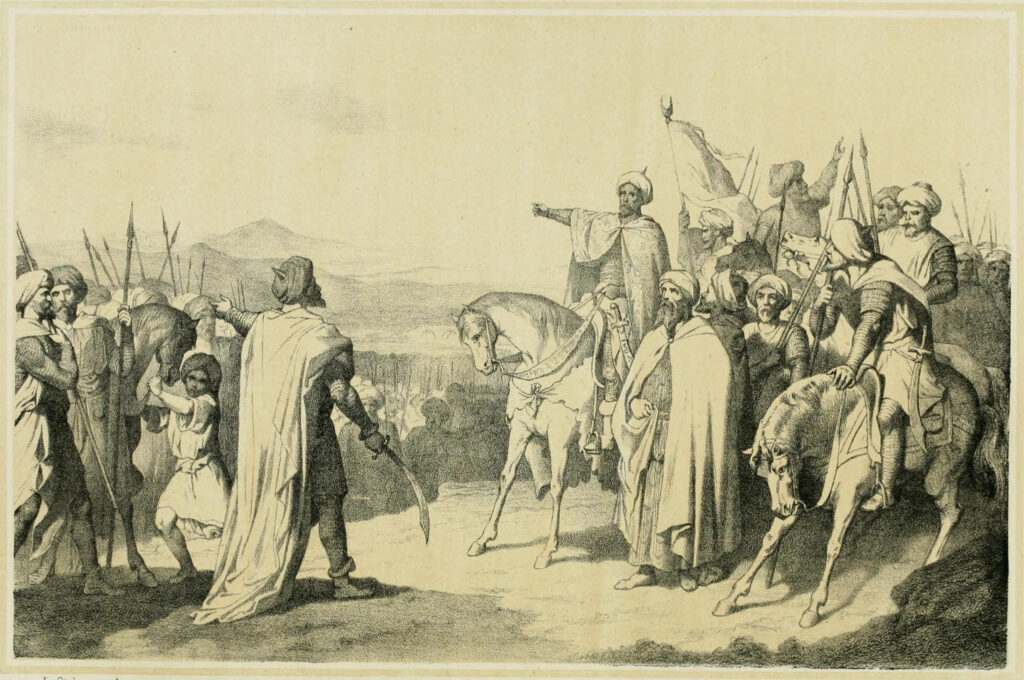
Raids could gather plunder, captives, animals, intelligence, and political prestige. They could punish rivals, weaken a border, fund soldiers, or provoke response. A raid was not the same as conquest, but repeated raiding could reshape a region.
Sources may celebrate raids, condemn them, exaggerate them, or treat them as routine. The reader has to identify whose voice is being preserved.
Captivity and Ransom
Captivity was a human reality and an economic system. Captives could be ransomed, exchanged, enslaved, absorbed into households, moved through markets, or used as bargaining tools. Families and communities could be pulled into long efforts to recover people.
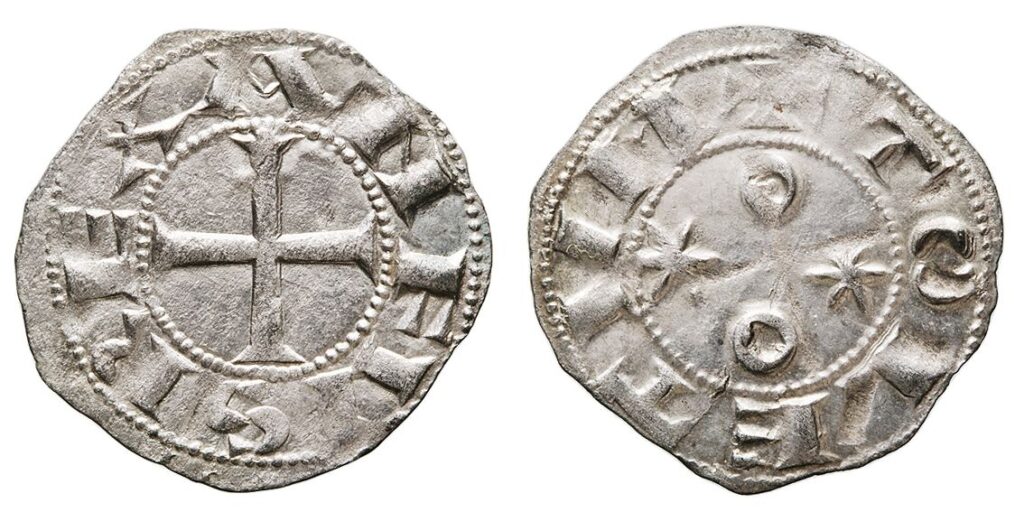
Ransom connected violence to money. It also connected religious institutions, rulers, brokers, merchants, and families.
The Border Economy
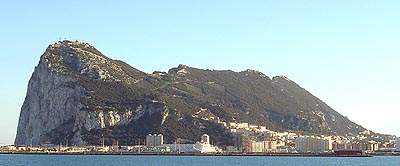
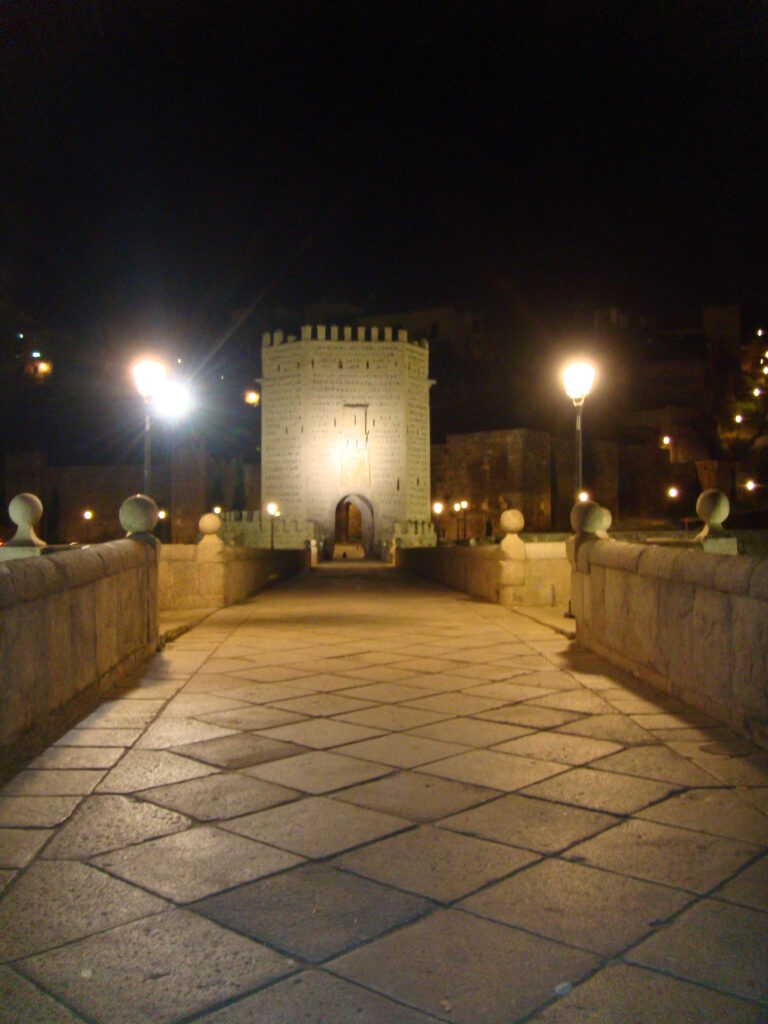
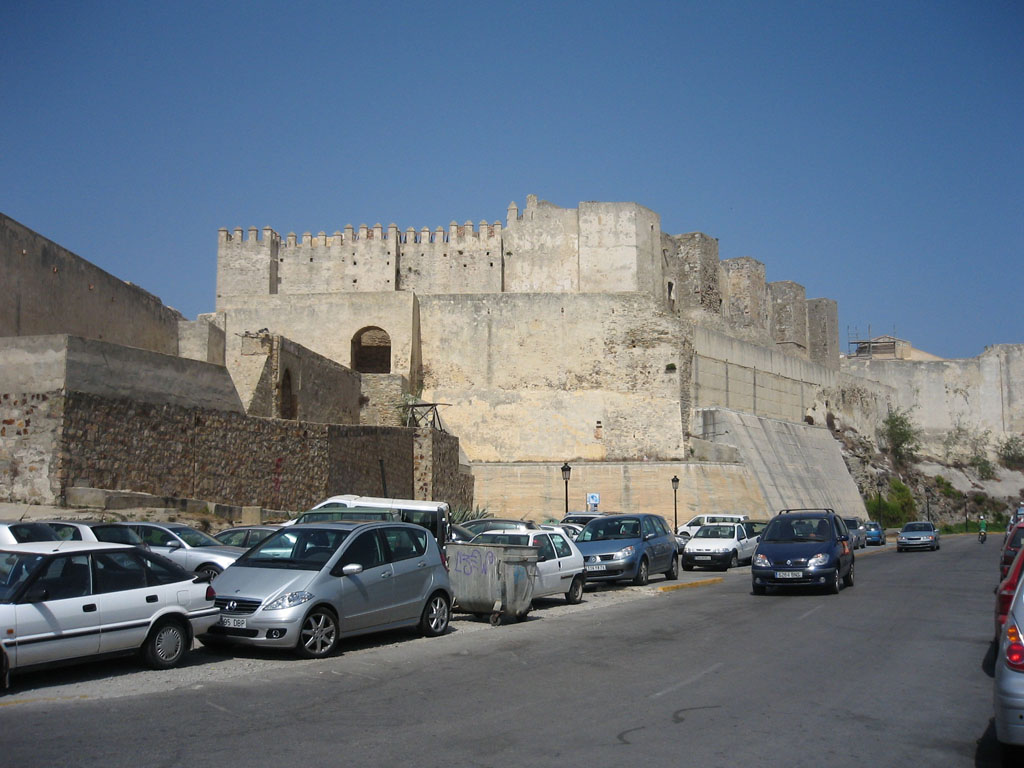
Frontier towns, castles, ports, roads, and markets made conflict practical. Tarifa, Gibraltar, Toledo, Seville, Granada, Ceuta, and Almeria all point to different border and maritime settings where war and exchange touched.
The same corridor might carry merchants one season and raiders another.
Evidence Problems
Captives often appear in sources through the voices of rulers, chroniclers, legal writers, or families seeking ransom. Their own voices are harder to recover. This page therefore names captivity clearly without pretending the archive preserves every experience equally.
Reader Method
When reading a raid or captivity claim, ask:
- Was the event a raid, battle, siege, ransom, exchange, enslavement, or diplomatic bargain?
- Who benefits from how the source tells the story?
- What money, people, animals, goods, or territory moved?
- Are captive voices visible, or only the voices of authorities?
What Sources Let Us Say
The sources let us describe raids, frontier warfare, ransom systems, political bargaining, and some captivity patterns. They are weaker for recovering the full interior lives of captives and ordinary border families.
Working Conclusion
The border economy forces honesty. Moor history includes scholarship, architecture, and trade, but also coercion, captivity, ransom, and violence.