Editorial Summary
Coins, taxes, and markets turn Moor history from a sequence of rulers into a working society. They show how authority was funded, how goods moved, how cities survived, and how political power reached into daily life.
The key is to avoid one-source history. A coin proves one kind of thing. A chronicle proves another. A trade study, legal text, or archaeological object answers a different question.
Coins as Evidence
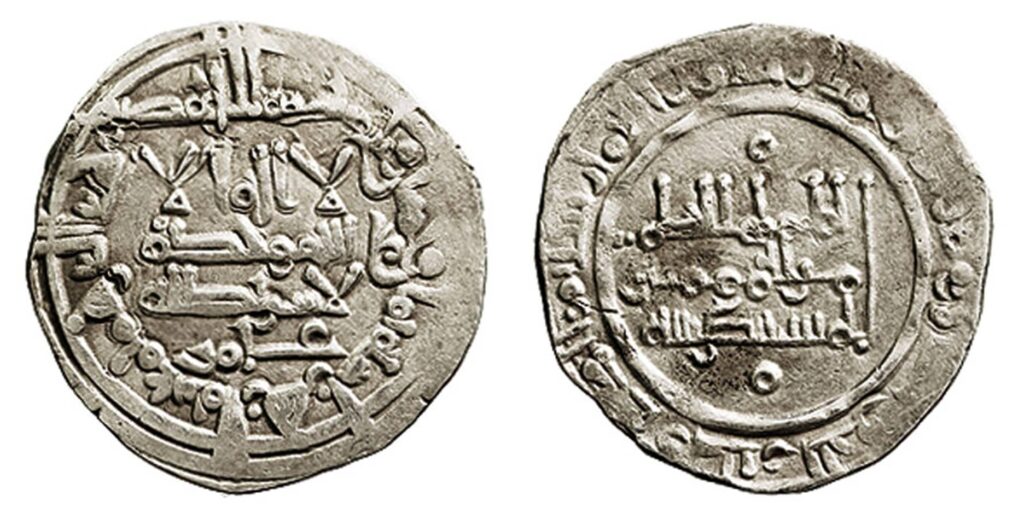
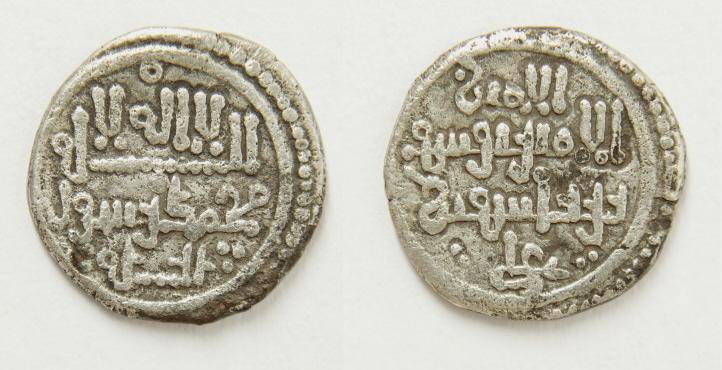
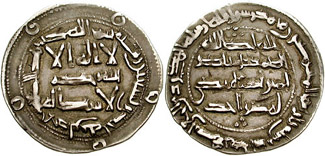
Coins can identify rulers, titles, mints, formulas, dates, and claims to legitimacy. A dirham can show that a state had enough authority to issue recognizable money and enough administrative reach to make that money meaningful.
But coinage does not reveal every household budget, every market price, or every tax burden. It anchors chronology and authority; it needs other evidence to become social history.
Taxes and Revenue
Rulers needed revenue for armies, courts, officials, fortifications, diplomacy, buildings, and urban order. Taxes and tribute therefore belong with political history as much as economics.
Terms such as zakat, jizya, tribute, land revenue, market fees, and customs duties should not be collapsed into one vague "tax." Each term points to a different legal or political relationship.
Markets, Ports, and Goods
Markets connected rural producers, urban consumers, merchants, artisans, inspectors, transport workers, and political authorities. Ports such as Almeria, Seville, Valencia, Ceuta, and Lisbon tied Iberia and the Maghreb to wider Mediterranean systems.
Trade could continue even across political and religious boundaries. War, tribute, raids, diplomacy, and commerce often existed in the same landscape.
Reader Method
When reading an economic claim, ask:
- Is the evidence a coin, legal text, chronicle, trade record, object, or modern synthesis?
- Which ruler, city, mint, port, or market is involved?
- Does the claim distinguish taxation, tribute, price, profit, gift, and plunder?
- Is the page using a single elite source to describe ordinary economic life?
What Sources Let Us Say
The sources let us describe state finance, commerce, coinage, ports, tribute, and some market systems. They are weaker when asked to reconstruct every ordinary person's economic life.
Working Conclusion
The economy worked through many connected systems: money, law, land, labor, ports, taxes, markets, tribute, and power. Evidence-first history names which system the source actually supports.