Editorial Summary
Social classes in al-Andalus were not a neat pyramid that stayed the same for eight centuries. Status depended on family, office, patronage, wealth, learning, religion, gender, legal status, urban or rural location, and relationship to power.
The safest approach is to think in overlapping hierarchies. A scholar could be honored without being a ruler. A merchant could be wealthy but politically vulnerable. A religious minority could be protected, taxed, useful, and subordinate at the same time.
Rulers and Court Elites
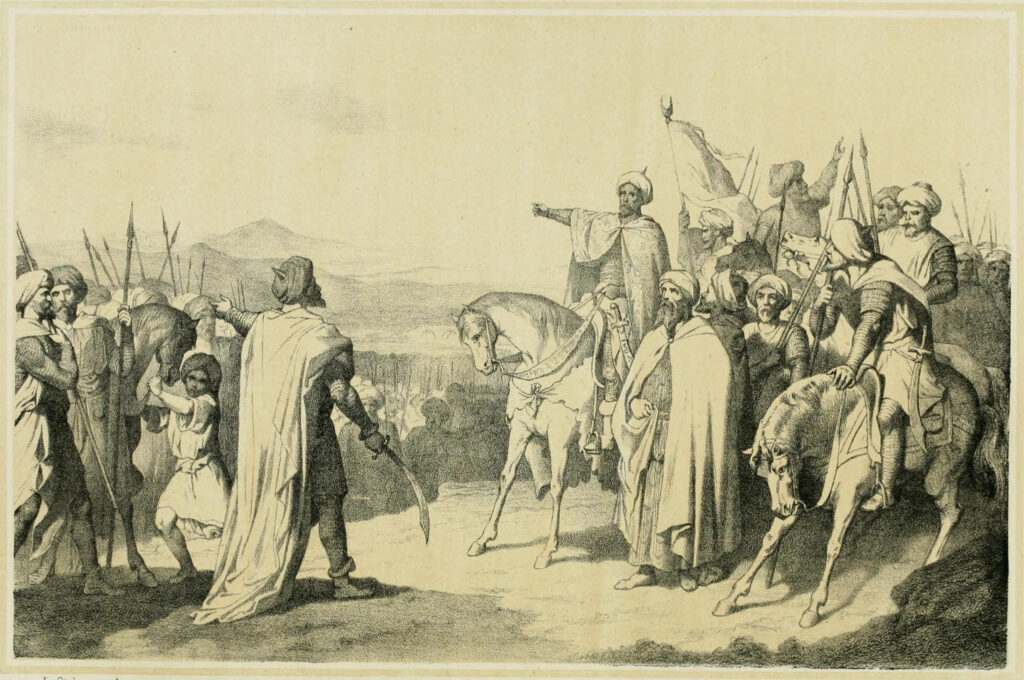
Rulers, military commanders, administrators, court poets, secretaries, judges, and favored families appear clearly because the sources often orbit power. Cordoba under the Umayyads, taifa courts, Almoravid and Almohad rule, and Nasrid Granada all created different elite settings.
Elite visibility is useful, but it can distort the picture. A palace source does not show every household, and a courtly biography does not define the whole society.
Scholars, Judges, and Professionals
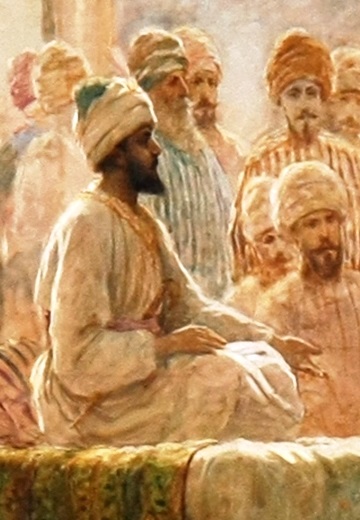
Learning could create status. Jurists, judges, physicians, teachers, scribes, translators, and administrators moved through institutions and patronage networks. Their authority was not only economic; it was legal, religious, textual, and social.
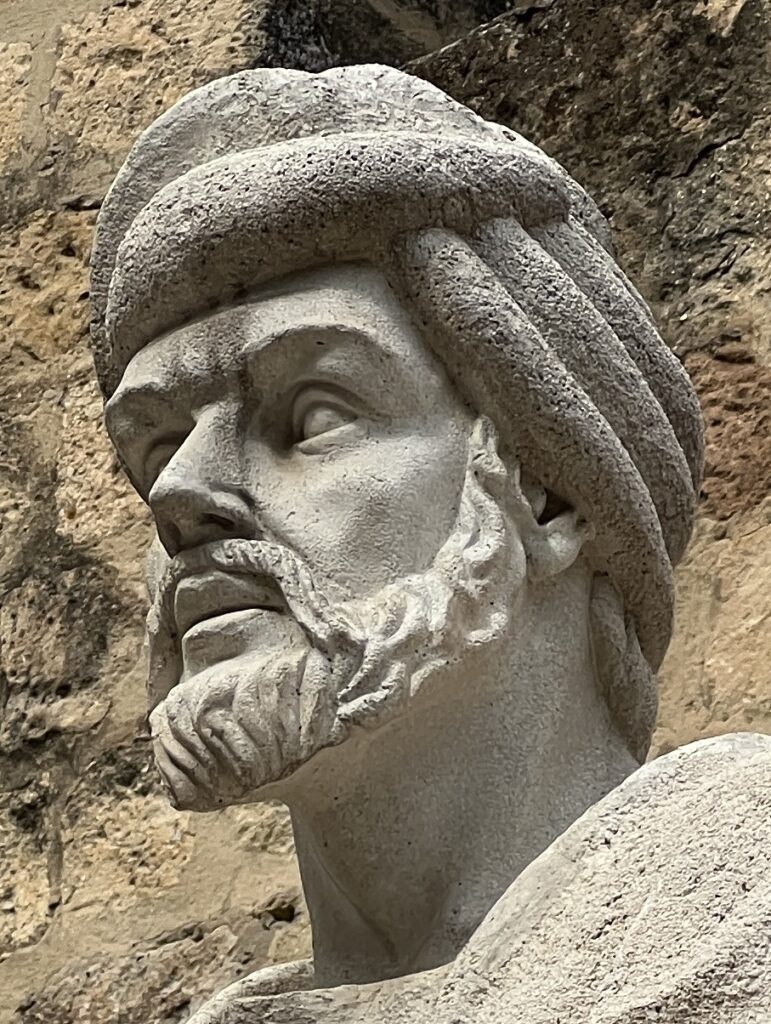
This is why people such as Ibn Rushd and Maimonides belong in social history as well as intellectual history. Their careers show how knowledge, office, language, and community could intersect.
Merchants, Artisans, Farmers, and Laborers
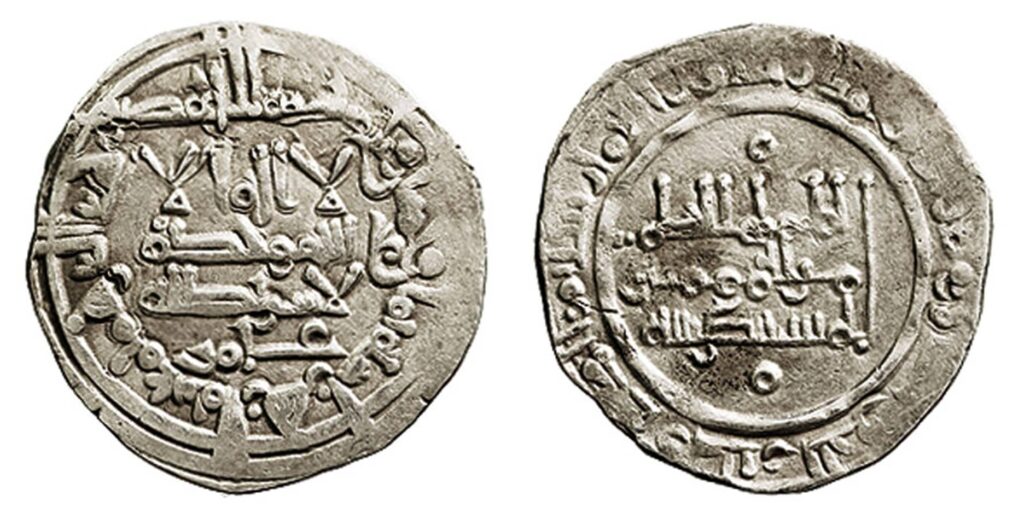
Markets, workshops, farms, transport, construction, textile work, ceramics, metalwork, and food supply kept cities alive. These people are often less visible by name, but their labor is written into the material record: streets, baths, markets, canals, walls, objects, and taxes.
Farmers and rural workers can be especially hard to see because urban and elite texts dominate the record. Economic sources help, but they still rarely preserve full individual stories.
Enslaved and Dependent People
Enslaved people and other dependent workers were part of social hierarchy. Their roles varied, and the evidence is filtered through owners, courts, markets, legal categories, and narrative sources. A careful account names slavery without turning every form of labor into the same condition.
Reader Method
For a social-class claim, ask:
- Is the source about law, biography, tax, trade, literature, architecture, or political narrative?
- Is the person free, enslaved, protected, subordinate, elite, rural, urban, male, female, local, migrant, or captive?
- Does the claim describe ideals, actual practice, or later memory?
What Sources Let Us Say
The sources let us identify hierarchy, offices, patronage, religious status, market roles, and some labor systems. They are weaker when asked to reconstruct ordinary lives evenly across every class.
Working Conclusion
Social history is strongest when it refuses a single snapshot. al-Andalus had rulers and poets, but also clerks, judges, merchants, artisans, farmers, servants, captives, minorities, and households whose lives shaped the world behind the monuments.