Editorial Summary
A strong historical claim is not always a dramatic claim. It is a claim that names its subject, period, place, source type, and limits. That is the habit this page gives readers.
Moor History Center treats viral claims, family memory, public history, scholarship, and primary sources differently. The goal is not to shame people for asking bold questions. The goal is to make the question strong enough that evidence can answer it.
Low-value history content usually fails here. It gives readers conclusions without showing the path from source to statement. This page exists to make that path visible.
Step 1: Write the Exact Claim
Do not start with a mood. Start with a sentence. "The Moors built everything in Europe" is too broad. "Mudejar craftsmen and Islamic-derived forms shaped specific buildings in Christian-ruled Iberia" is narrower and easier to test.
The wording matters because a broad claim can be emotionally powerful and historically weak at the same time.
If the sentence contains words like "all," "always," "everything," "pure," or "everywhere," treat that as a warning sign. Those words are not automatically wrong, but they dramatically raise the burden of proof.
Step 2: Add Time and Place
Ask where and when the claim happened. North Africa, the Sahara, al-Andalus, Christian Iberia, and modern identity movements are connected topics, but they are not interchangeable.
If a claim has no date and no place, slow it down before sharing it.
This step alone eliminates a large amount of bad history. "Spain" in 1492 is not the same political reality as Iberia in 711. "Africa" may mean the Maghreb, the Sahara, Egypt, or the continent in a modern sense. Claims get stronger as their geography and chronology become less vague.
Step 3: Identify the Source Type
Different sources can prove different things:
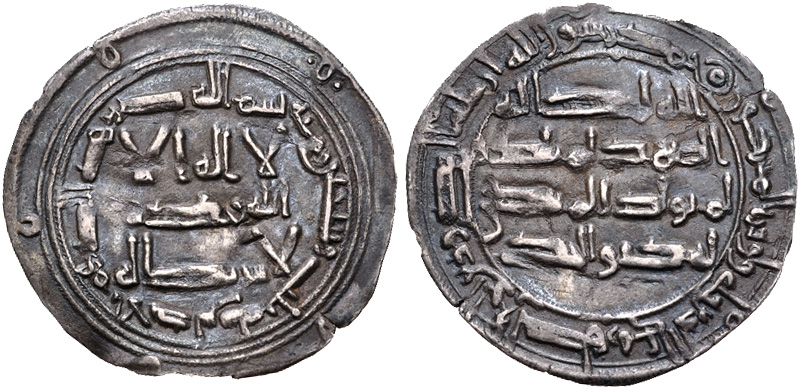
- A coin can show ruler names, titles, dates, mints, and authority.
- A chronicle can preserve a narrative, but also bias and later memory.
- A legal text can show norms, not automatically daily practice.
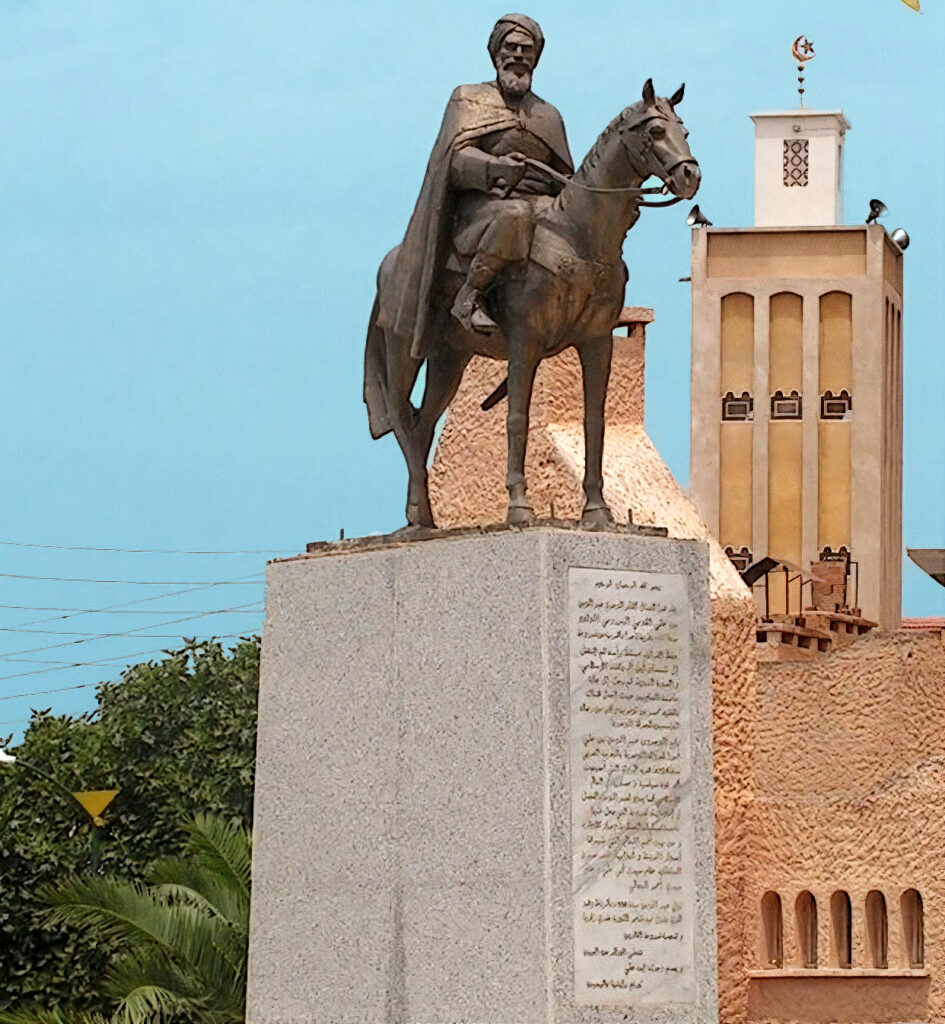
- A building can show material phases, patronage, reuse, and restoration.
- A modern fact list can show reader interest, not final proof.
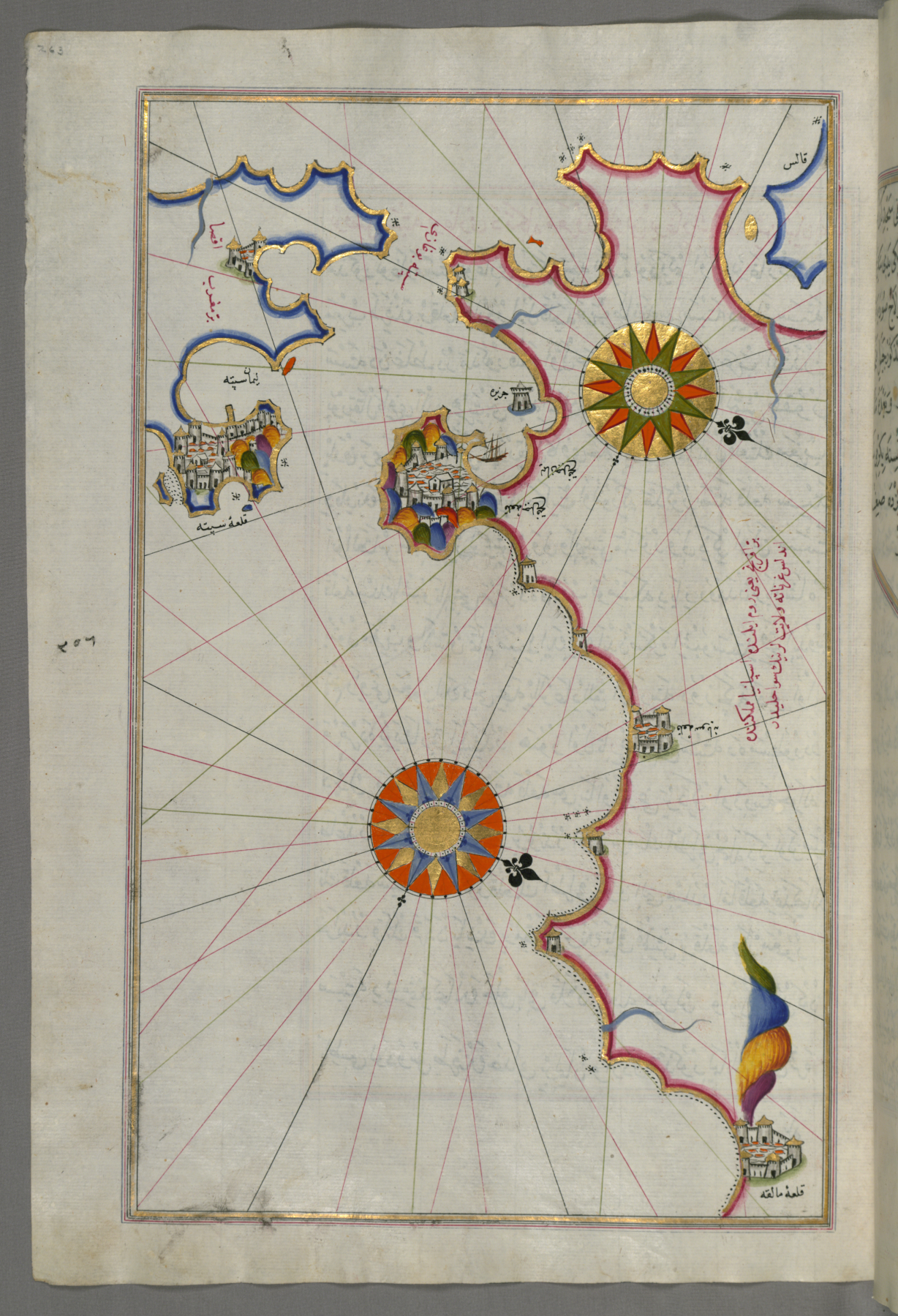
The mistake to avoid is treating every source as if it can answer every question. A map cannot prove lived equality. A chronicle cannot automatically prove demography. A monument cannot prove who built "everything." Match the source to the claim.
Step 4: Ask What Kind of Claim This Is
Many arguments about Moorish history become confused because they mix claim types without noticing it. Ask whether the statement is mainly about:
- terminology
- ancestry or population
- political control
- religion or law
- architecture or material culture
- memory, symbolism, or modern identity
Once the claim type is clear, the evidence test becomes clearer too.
Step 5: Label the Evidence Strength
Use clear labels:
- Verified history: well supported by sources.
- Scholarly debate: supported but interpreted differently.
- Terminology warning: the words are unstable or modern.
- Unsupported or needs evidence: interesting, but not proven yet.
Do not be afraid of "unsupported or needs evidence." It is not an insult. It is a temporary and honest label for a claim that outruns what is currently shown.
Step 6: Keep Meaning and Proof Separate
A claim can be meaningful to a family, community, spiritual practice, or identity project. That does not automatically make it verified history, and it does not make it worthless. It means the site should label what kind of claim it is.
This is where many discussions break down. One person is asking whether a statement is historically proven. Another is defending what the statement means emotionally or politically. Both conversations can matter, but they are not the same conversation.
A Fast Example
Take the sentence: "Spain was Muslim for 700 years everywhere."
Run the method:
- Exact claim: Muslim rule covered all of Spain continuously for 700 years.
- Time and place: which parts of Iberia, between which dates?
- Source type: maps, chronicles, political histories, legal records.
- Claim type: political control and chronology.
- Evidence strength: misleading in this broad form.
- Narrower rewrite: Muslim-ruled states governed substantial parts of Iberia for centuries, but control varied by region and changed over time.
That final sentence is less dramatic, but it is far more defensible.
Reader Method
Before sharing a claim, ask:
- What exactly is being claimed?
- What source would prove it?
- Is the source close to the event or much later?
- What narrower wording would be more accurate?
- What remains unknown?
What Sources Let Us Say
The sources let us make strong claims when the wording is specific. They become weaker when asked to support claims about all Moors, all Africans, all Europeans, all Muslims, all Spaniards, or all later cultural survivals.
This is not a weakness of history. It is what intellectual honesty looks like in a field built from partial evidence, changing language, and contested memory.
Working Conclusion
The best reader is neither gullible nor cynical. The best reader is careful: curious enough to ask, disciplined enough to check, and honest enough to update the claim.