Editorial Summary
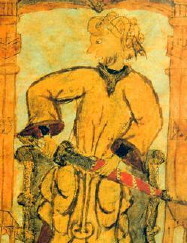
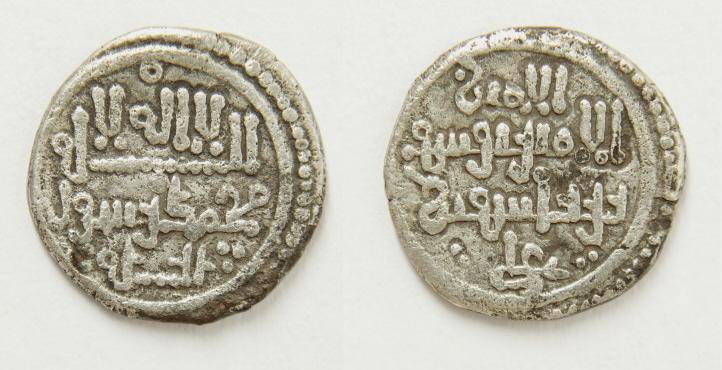
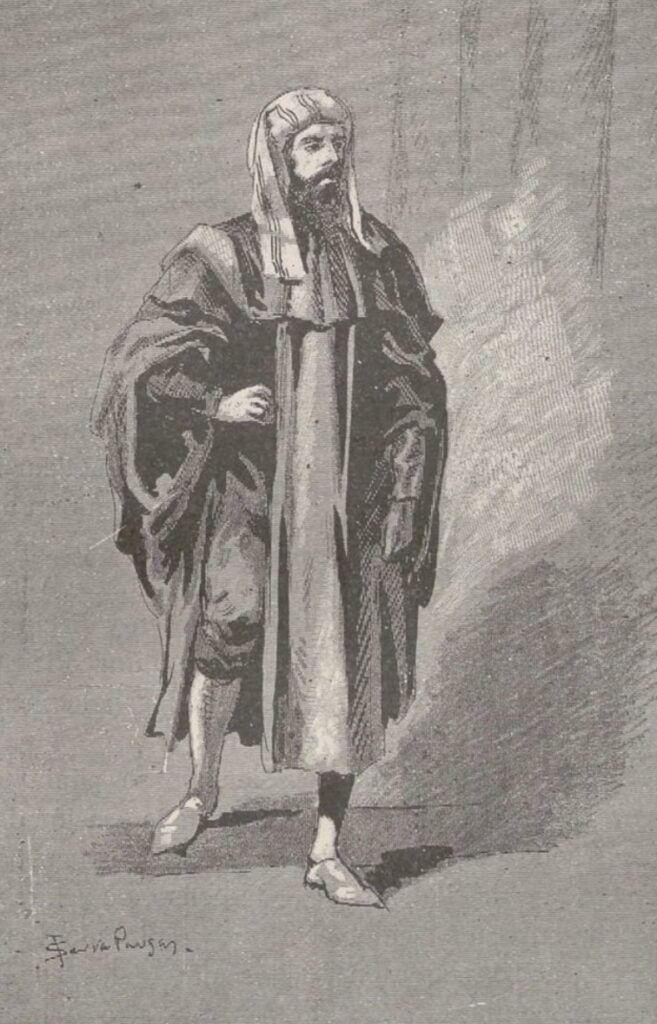
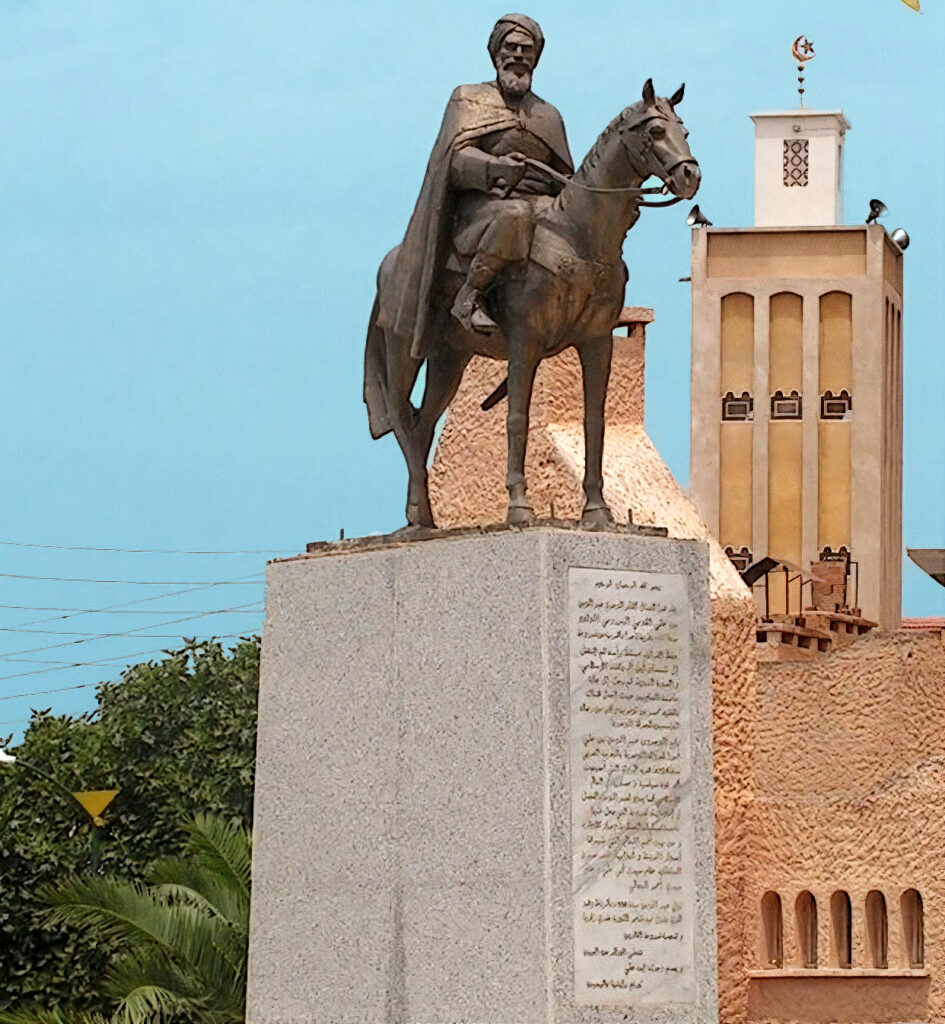
Berber, or Amazigh, languages and identities are essential for understanding the western Islamic world. They connect the Maghreb, the Strait of Gibraltar, dynastic movements, military networks, settlement, religious reform, and the meanings later attached to "Moors." They are also harder to see in many written sources because Arabic often dominated surviving elite texts.
What This Page Establishes
This page establishes a careful distinction: Berber/Amazigh history is not a footnote to Arabic history, but it also should not be used as a one-size-fits-all answer to who the Moors were. The right question is where a person, movement, dynasty, army, city, or community sits in the Maghreb-Iberia network.
Historical Context
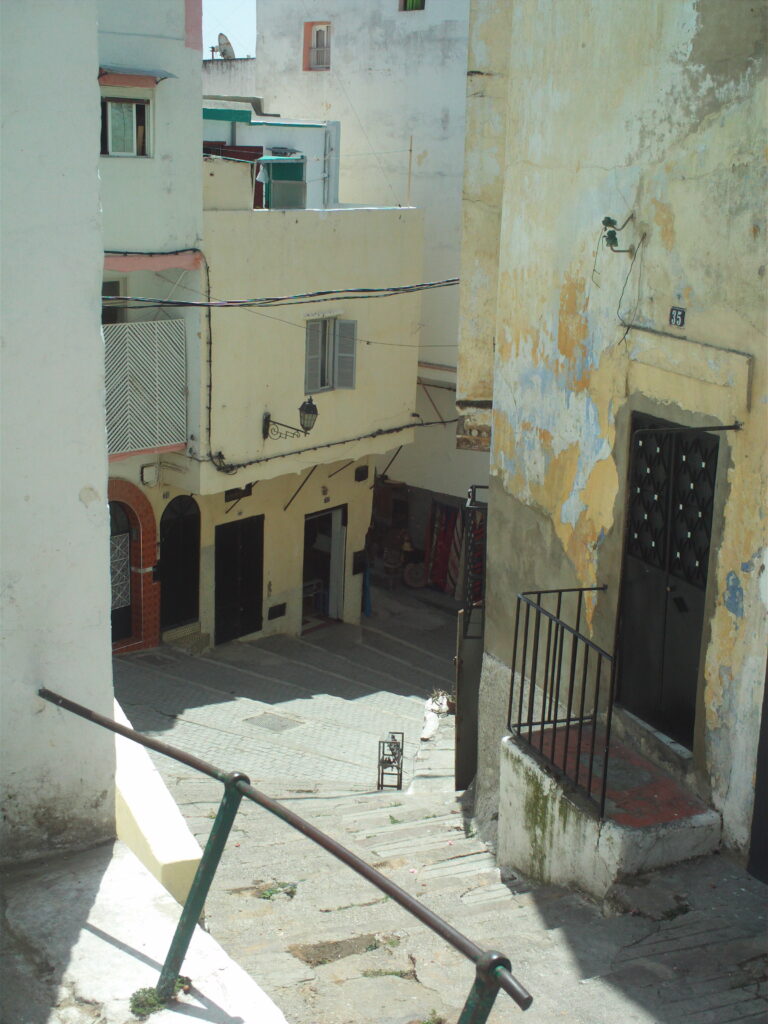
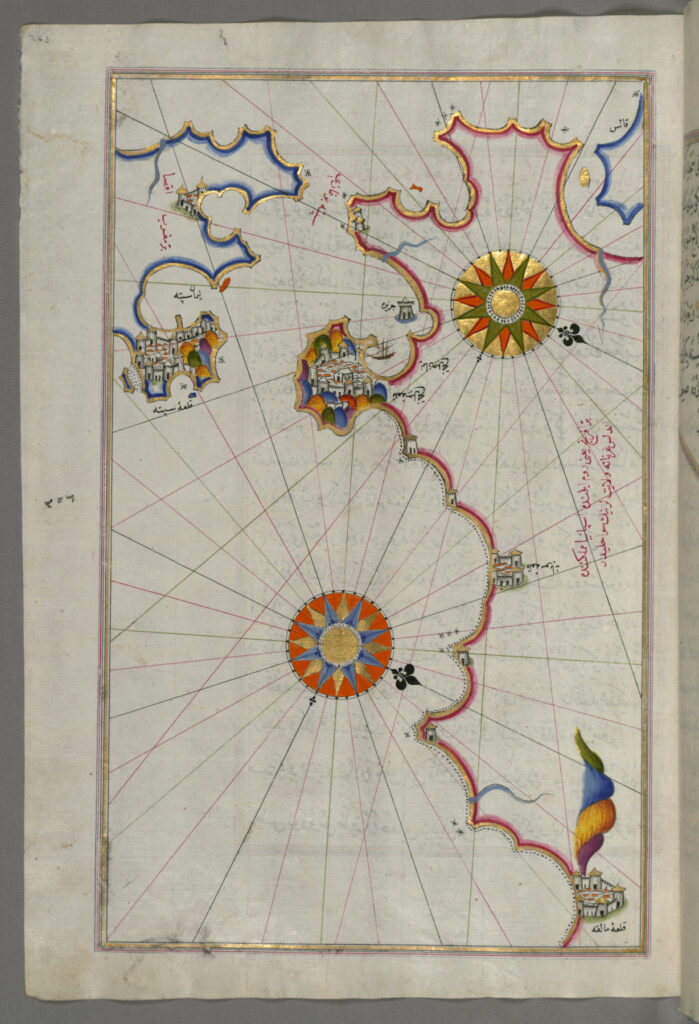
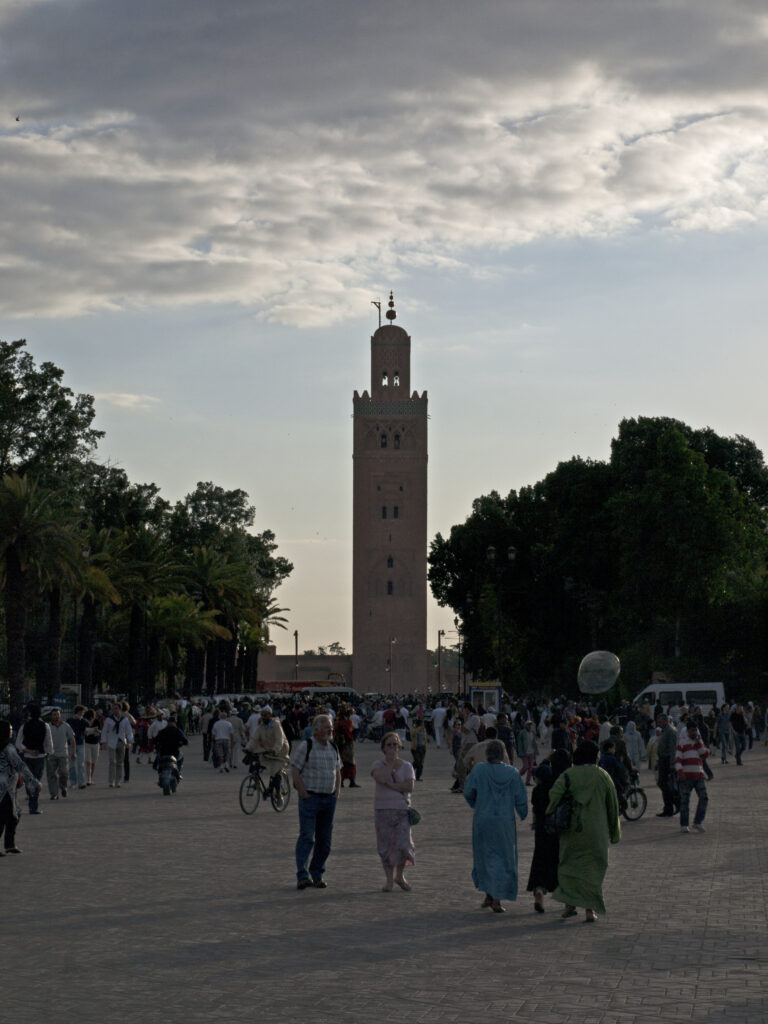
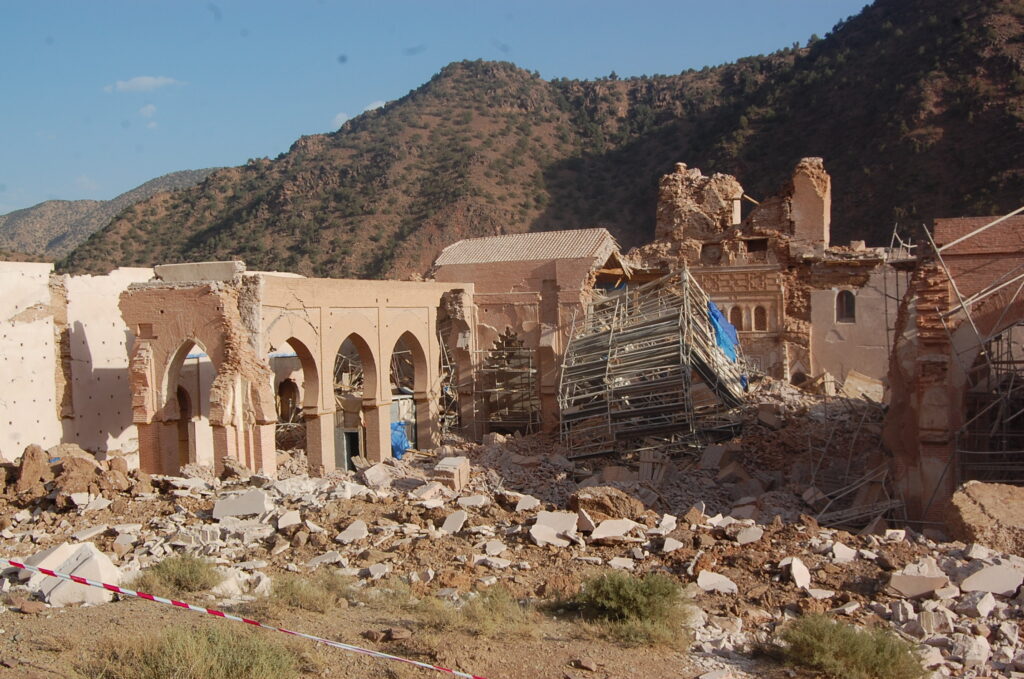
The western Mediterranean and the Maghreb were not background scenery for al-Andalus. North African routes, ports, tribal and confederation politics, reform movements, and dynastic projects shaped Iberian history repeatedly. The 711 crossing, Almoravid and Almohad interventions, and later Maghreb-Granada connections all make this visible.
Language is part of that story, but it is unevenly preserved. Arabic could be the language of administration, scholarship, law, and high culture, while Berber languages continued to matter in identity, speech communities, military networks, and political mobilization.
Evidence Frame
The evidence problem is visibility. Arabic sources can describe Berber groups while leaving their own languages, internal categories, and local voices partly hidden. Modern readers therefore need to compare political histories, place records, dynastic studies, and terminology pages before making claims about identity.
What to Ask While Reading
- Is the source describing language, ancestry, political alliance, geography, or religion?
- Is the claim about the Maghreb, Iberia, the Strait, a dynasty, or a local community?
- Does the evidence come from outsiders, administrators, scholars, or later historians?
- Is a modern identity term being projected backward too simply?
What Sources Let Us Say
Sources let us say that Berber/Amazigh peoples and movements were deeply involved in the making of western Islamic history. They also let us track major Maghrebi dynasties, reform movements, and military-political interventions that changed al-Andalus. They are weaker when asked to prove broad claims about every person later called Moorish.
What Remains Cautious
The biggest risk is label collapse. Berber/Amazigh, Arab, Andalusi, Muslim, Maghrebi, Moor, and African can overlap in real history, but they are not synonyms. A careful page names the evidence and avoids turning modern identity debates into medieval categories without explanation.
Working Conclusion
Berber languages and identity make Moor History Center more accurate because they keep North Africa visible. The story of al-Andalus is not only Iberian, and the story of the Moors is not only Arabic. It is a connected Maghreb-Iberia history with shifting labels, languages, and power.