Language and Literature

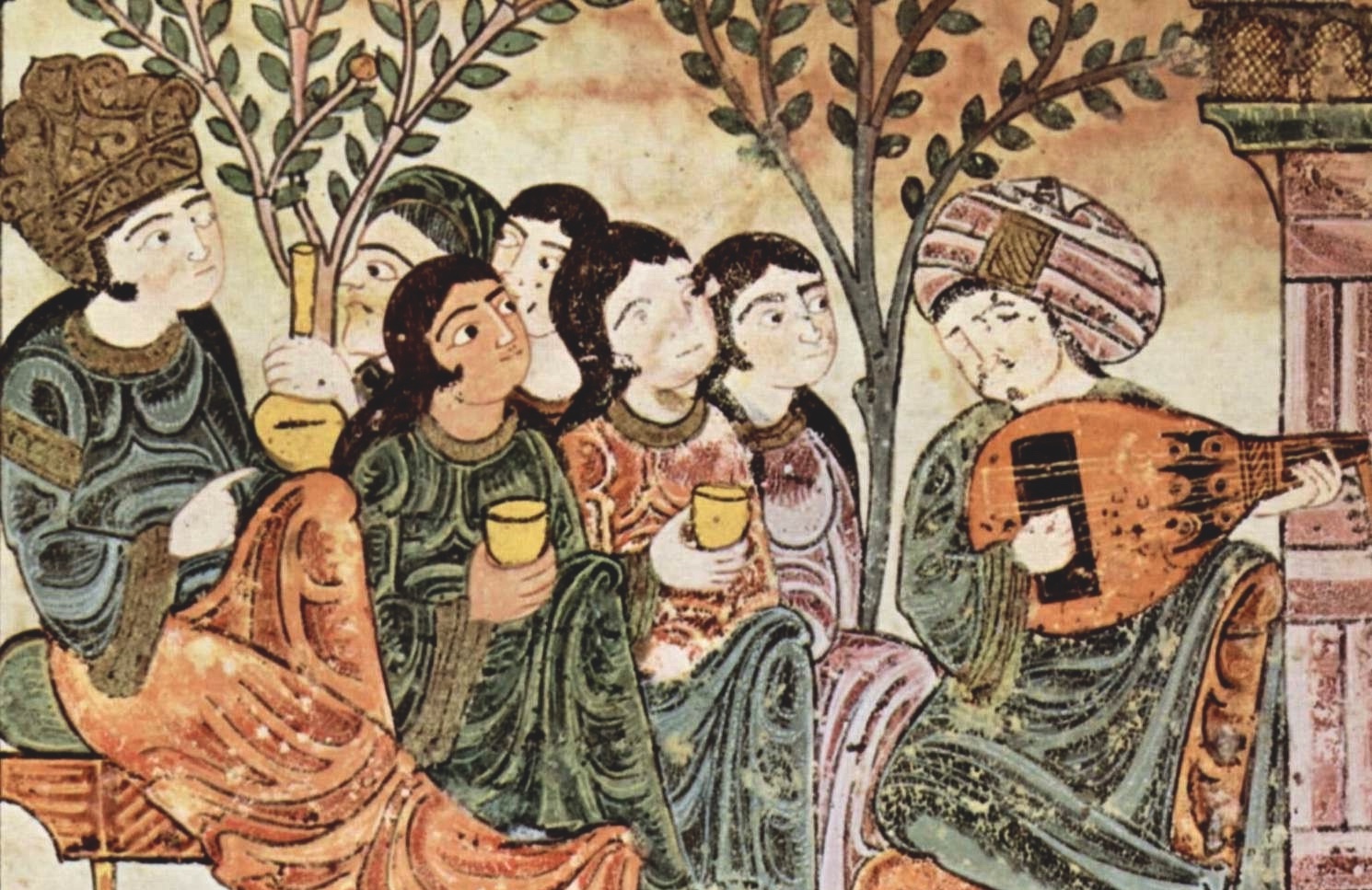
Manuscript illustration of lute performance in a garden scene from the story of Bayad and Riyad.

Purpose

This reading list gives readers a guided path through language and literature in Moor History Center. It starts with social setting, moves into literary forms and court culture, and then opens named people who make the topic more memorable.

How to Read This List

Read the first three items as the evidence frame: language use changes by setting, status, genre, and period. Then move into adab and poetry, where words become social performance. Use the people records after the articles so biographies feel connected to the larger literary world.

Do not read the literary pages as if they float free from politics or institutions. Language choice can mark prestige, schooling, audience, confession, or court position. Poetry and prose can preserve emotion and beauty, but they can also perform rank, negotiate patronage, and build memory. The route is strongest when readers keep form, audience, and social setting together.

Editorial Goal

The goal is to prevent two common flattenings: treating language as a simple ethnic label, and treating literature as decoration. In this route, language is evidence, and literature is a social practice tied to patronage, memory, power, and survival.

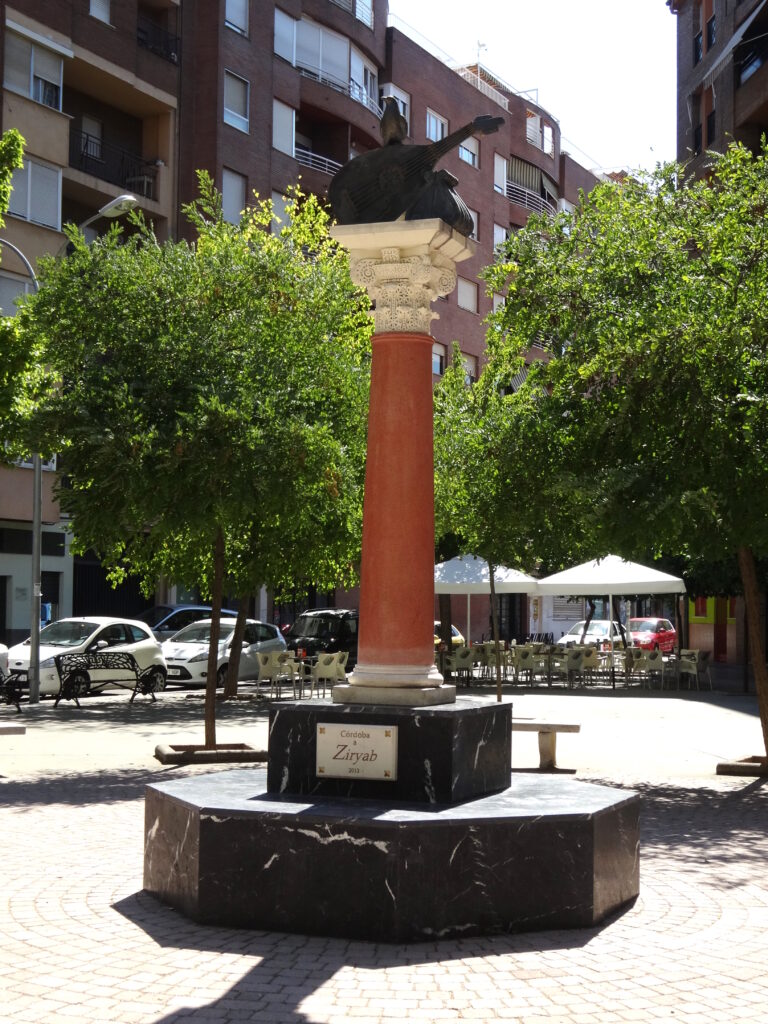
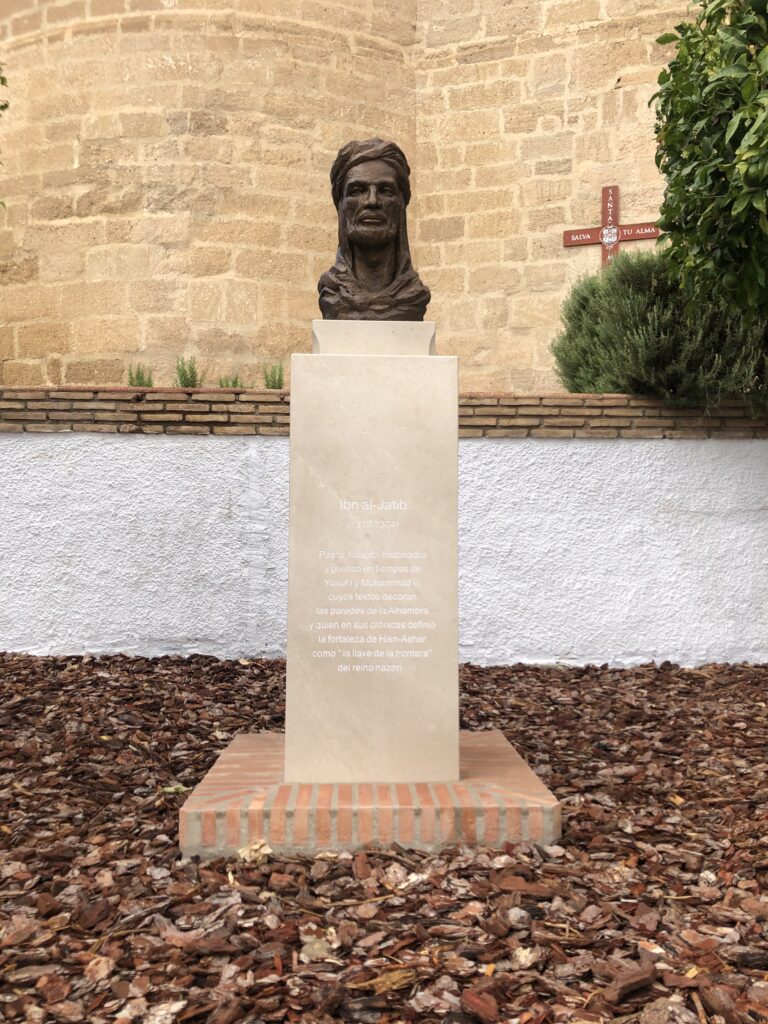
That is also why the people records come after the thematic articles. Figures like Wallada, Ziryab, or Ibn al-Khatib are easy to turn into symbols or anecdotes. The surrounding articles make it easier to read them as historically located participants in larger language worlds.

Next Route

After this path, readers can move toward Science, Philosophy, and Education for transmission and learned culture, or toward Daily Life in Moorish Societies for the social settings where language, music, poetry, and status were performed.


Reading Order

  1. ArticleLanguage and Literature

    Start with the hub so the route has a map.

  2. ArticleArabic in al-Andalus: Prestige, Dialect, Everyday Use

    Use Arabic as the first test case for prestige, administration, learning, and everyday limits.

  3. ArticleMultilingual Iberia: Arabic, Hebrew, and Romance in Practice

    Add Hebrew and Romance evidence before making broad claims about identity.

  4. ArticleBerber Languages and Identity in the Maghreb and Iberia

    Keep North African language and identity visible inside the larger Moorish frame.

  5. ArticleAdab and Court Culture: Literature as Social Technology

    Move from language into the social work of cultivated writing, manners, and elite performance.

  6. ArticleAndalusian Poetry: Forms, Themes, Famous Voices

    Use poetry to see how status, love, satire, praise, memory, and patronage traveled through texts.

  7. PersonWallada bint al-Mustakfi

    Read Wallada as a named entry into poetry, gender, elite status, and literary memory.

  8. PersonZiryab

    Use Ziryab to test how cultural figures become magnets for later stories about taste and refinement.

  9. PersonLisan al-Din Ibn al-Khatib

    Finish with late Nasrid Granada, where literature, diplomacy, historical writing, and court danger overlap.

  10. SourceMenocal, Scheindlin, and Sells. The Literature of Al-Andalus

    Use the specialist source record when literary claims need a better anchor than a general history.

Sources

Partner learning path

Moor history and Muur foundations work best as related, distinct paths.

MoorofUs.org focuses on Moor history and historical context. TheFoundationsOf.us explores foundations, Muur history, ancestral memory, place-based research, and community learning. Use both sites together to move from sourced history into deeper identity and foundation research.

Independent support

Help keep this work independent

This article is part of an independent cultural learning network built around source-aware storytelling, careful research, and responsible public education. Support helps fund source notes, timelines, corrections, research guides, and continued publishing.

Organizations, educators, publishers, bookstores, archives, creators, and cultural institutions can also become self-serve sponsors of the network.