Editorial Summary
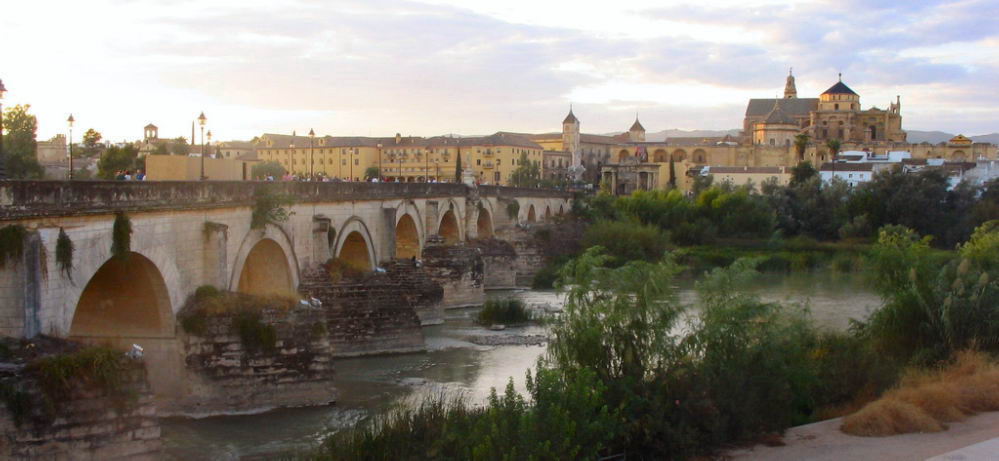
The Caliphate of Cordoba was one of the most powerful political phases of al-Andalus. It began when Abd al-Rahman III proclaimed himself caliph in 929 and ended after civil conflict fractured central authority in the early eleventh century.
What Caliphate Means Here
Caliphate does not mean all of al-Andalus. It names a specific authority claim and political system. Abd al-Rahman III's proclamation placed Cordoba in competition with other caliphal powers and gave Umayyad rule a heightened religious-political language.
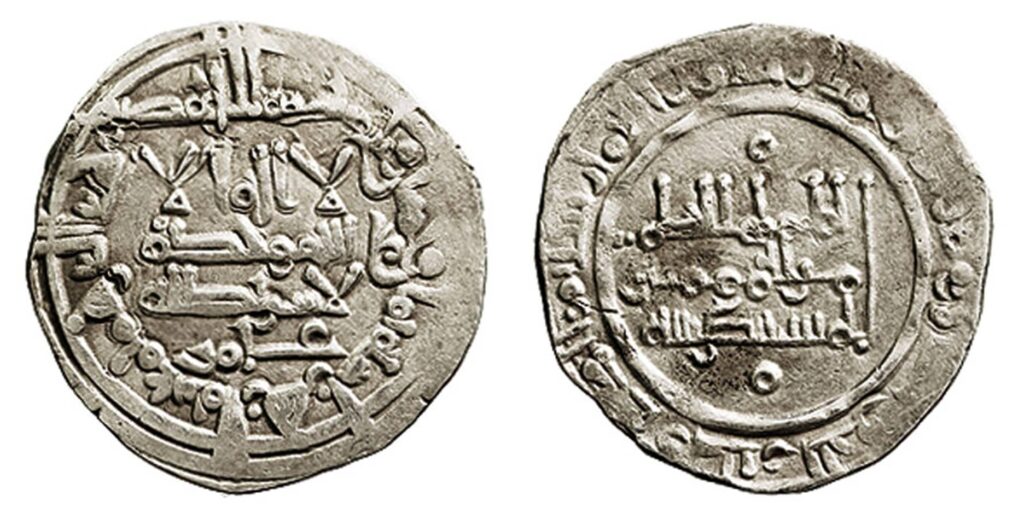
That title mattered because medieval states did not rule only with armies. They also ruled through legitimacy, ritual, architecture, coinage, diplomacy, learned culture, and the performance of authority.
Power and Administration
Cordoban power depended on revenue, appointments, armies, provincial management, diplomacy, and an urban court. The caliphate projected itself through officials, ceremonial life, building programs, and control over competing elites.
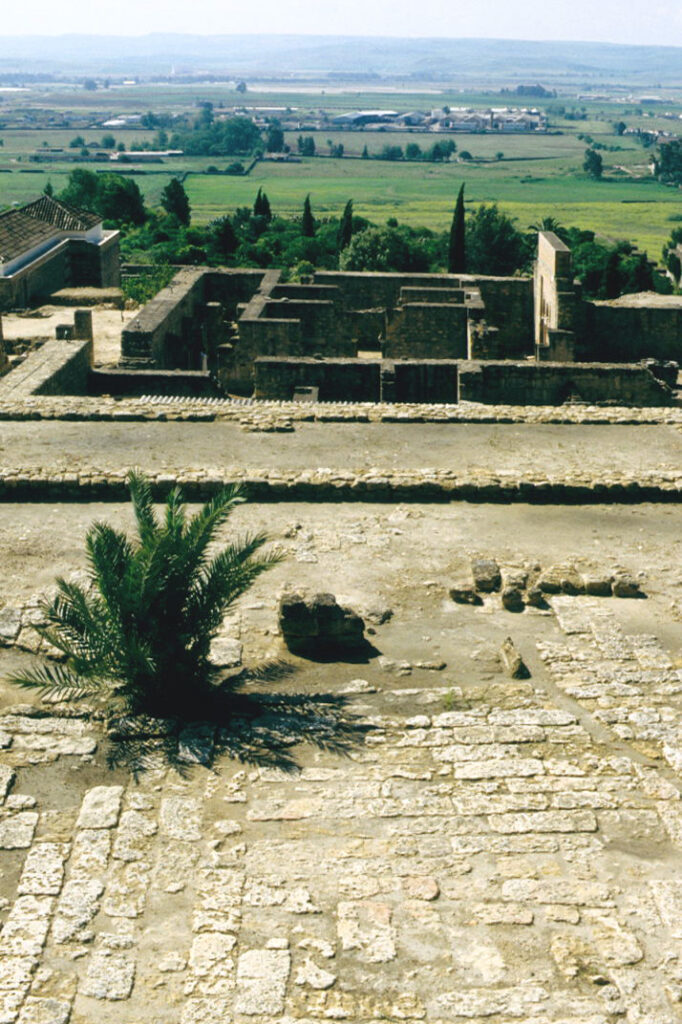
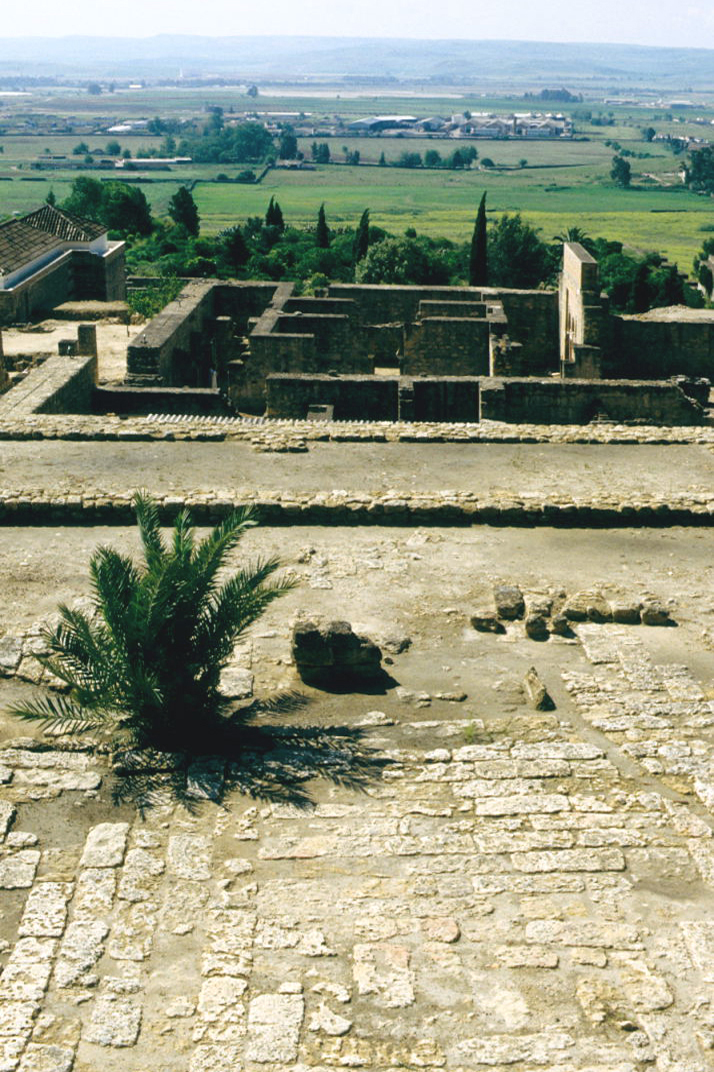
Madinat al-Zahra is one of the clearest material signs of that political world. It was not just a palace. It was a built statement of caliphal legitimacy, hierarchy, and courtly display.
Culture and Scholarship
The caliphal period also matters for book culture, poetry, medicine, legal learning, translation, libraries, and courtly patronage. Al-Hakam II is especially associated with literary and scholarly prestige, while figures such as Lubna of Cordoba help readers remember that the story is not only rulers and battles.
This does not mean everyone in al-Andalus lived in equal prosperity. Surviving sources still overrepresent cities, courts, institutions, and literate elites.
Almanzor and the Strain on the System
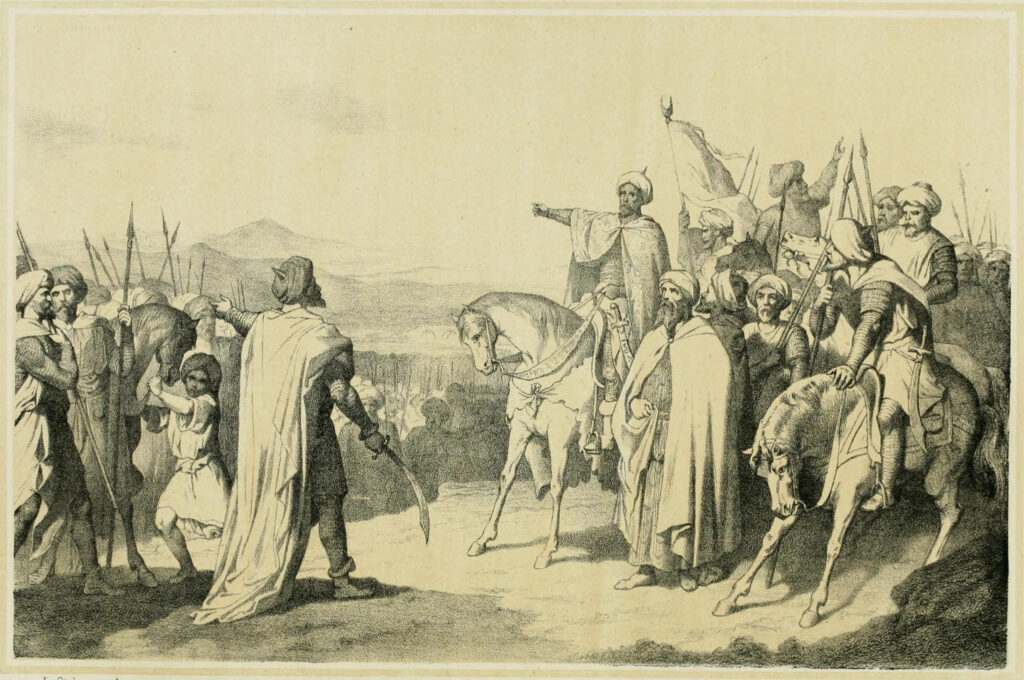
Almanzor's rise in the late tenth century shows the difference between caliphal title and effective power. Military leadership, court politics, and campaigns could strengthen the state's reach while also revealing how dependent the system was on elite control.
Collapse and Fitna
The fitna of 1009-1031 fractured caliphal unity. Competing factions, succession struggles, military blocs, and regional ambitions weakened Cordoba's central authority. By 1031, the caliphate was abolished, and the taifa landscape emerged.
Working Conclusion
The Cordoban caliphate was a high point of Umayyad authority, but not a timeless golden age. It was a powerful state with institutions, culture, violence, hierarchy, and eventual collapse.