Editorial Summary
This hub is the site's claim-checking workspace. It treats myths as public claims to test carefully: define the claim, narrow the period and place, identify the source type, and separate what is documented from what is remembered or inferred.
The goal is not simply to debunk bad statements one at a time. The goal is to help readers become harder to mislead, whether the overstatement comes from romantic celebration, nationalist denial, careless teaching graphics, or viral "hidden history" content.
How to Use This Hub
Start with the method page before opening individual myths. Then compare identity claims, claims about Muslim rule, claims about Europe, and claims about conversion against the relevant source trails.
If you use the hub in sequence, it teaches a repeatable workflow:
- Learn how a claim becomes testable.
- Learn what maps, objects, and later visuals can actually show.
- Apply that method to the site's most common public claims.
That structure matters because readers often want answers before they have a method. This hub is designed to reverse that habit.
Core Frame
This topic tests public claims against evidence. It treats myths as claims to examine, not as communities to mock.
That means three things at once:
- a claim may be culturally meaningful and historically weak
- a claim may contain a true corrective but still be overstated
- a skeptical reader can still fall into error if they erase real African, Muslim, or Andalusi presence in reaction to exaggeration
The site's evidence-first position is meant to resist all three failures.
Choose a Route
Start With Method
Learn how the site handles claims, sources, certainty, and the difference between memory and evidence.
Read Visual Evidence
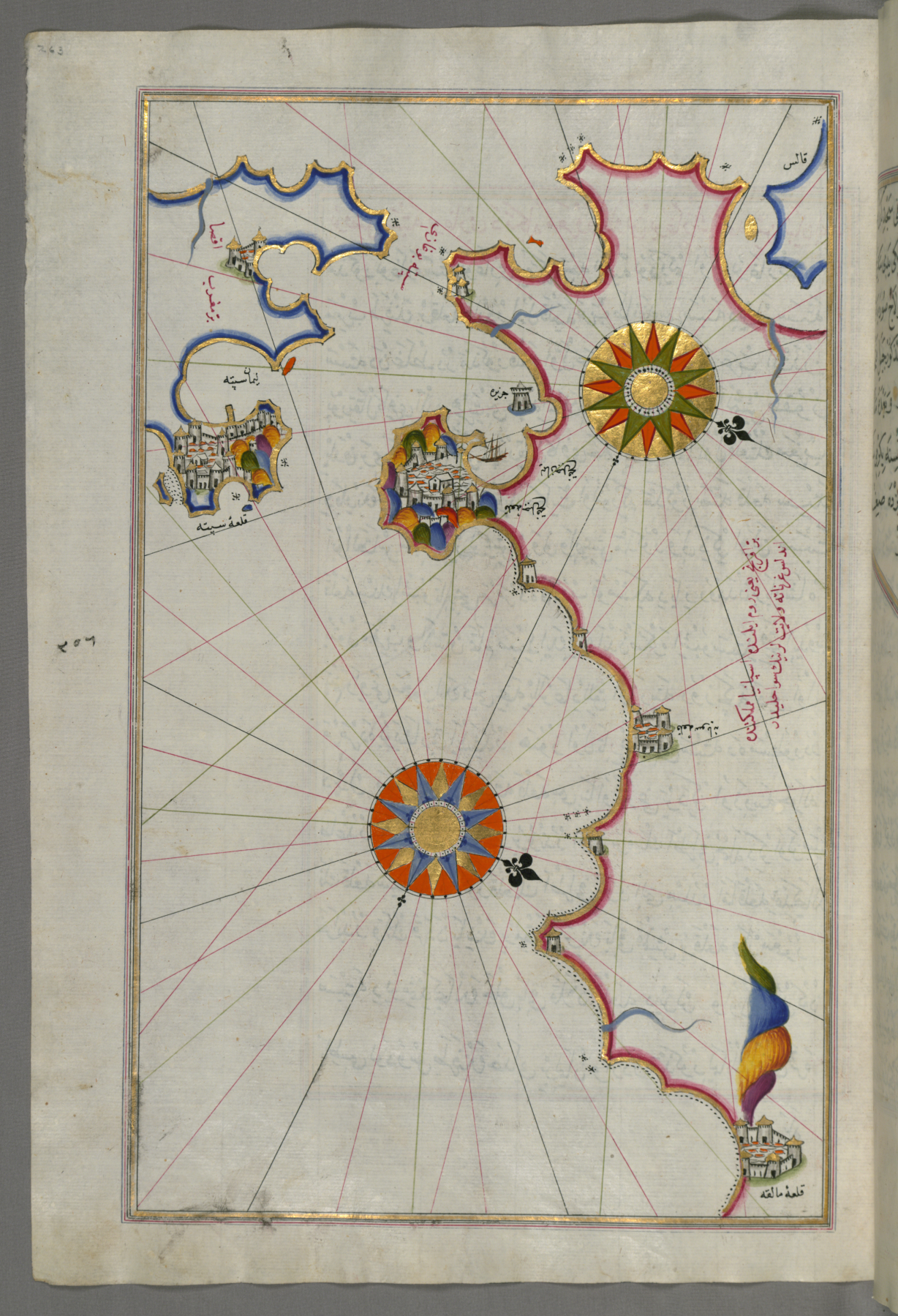
Use images, maps, objects, and later memory visuals carefully before turning them into claims.
Test Identity Claims
Use these routes when a claim turns a complex medieval population into a single modern category.
Check Big Public Claims
These pages separate useful kernels from slogans about conquest, harmony, Europe, and conversion.
Reader Cautions
A claim can be culturally important and still unsupported as history.
It is also possible for a claim to be partly right but wrongly worded. Many pages in this section work by extracting the defensible core from a slogan that has become too broad to trust.
Questions This Hub Answers
- What exact claim is being made?
- What would count as evidence?
- What narrower version can sources actually support?
It also helps answer harder follow-up questions:
- When is a map clarifying geography and when is it flattening politics?
- When does a monument prove influence and when does it only suggest later memory?
- When does a historical label describe a stable category, and when does it mostly reveal the writer's frame?
What Readers Usually Get Wrong
The most common mistake is not lack of interest. It is category confusion.
Readers mix race with religion, political rule with demographic identity, influence with authorship, and memory with proof. Once those categories blur, the loudest sentence usually wins. This hub is built to slow that down.
Best Next Steps
Use this hub whenever a statement sounds too large: all Moors, all Muslims, all Spain, all Europe, always peaceful, or pure harmony. The first move is always to narrow the claim.
If you are unsure where to start, use this order:
- method page first
- maps and visual-source pages second
- identity claims third
- architecture, conversion, and duration claims last
That order helps readers build context before entering the most emotionally charged topics.
Editorial Position
Moor History Center does not mock the reason people care about these claims. It does insist that cultural meaning and documented history have to be held apart.
The site also rejects a false choice between pride and rigor. Stronger evidence does not diminish the subject. It makes the history more durable.