Claim Being Tested
Conversion Was Always Peaceful
Editorial Summary
The claim that conversion was always peaceful is too broad. Conversion in Iberian and Maghrebi history could be gradual, sincere, strategic, pressured, encouraged by law or status, or forced by state policy in later Christian contexts.
One sentence cannot cover all of those situations.
This is a high-value myth check because moralized conversion stories are often used to judge whole civilizations at once. The site needs a better habit: separate period, policy, social pressure, and individual motive before reaching a conclusion.
What the Evidence Supports
The evidence supports gradual Islamization in many contexts. It also supports legal and social incentives, boundary-making, communal pressure, political pressure, and later coercive Christian policies toward Muslims and Jews.
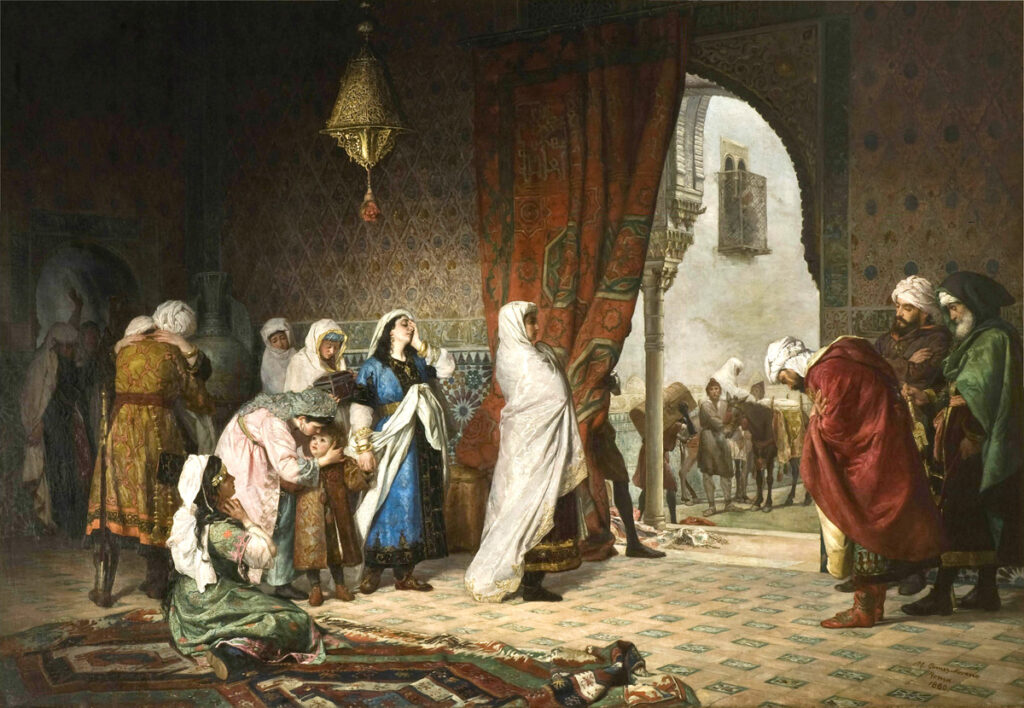
After the fall of Granada, the 1502 Castilian decree and 1526 Aragonese extension changed the terms dramatically. Morisco history cannot be described as peaceful conversion.
That means the strongest evidence is usually not about inner belief at all. It is about structures: decrees, tax categories, communal status, public ritual, and recorded legal change. The page should teach readers to separate what a source shows clearly from what it only suggests.
What the Claim Gets Wrong
The claim treats conversion as if it always reveals inner belief. Sources often show a legal or public status change more clearly than personal conviction.
It also confuses different periods. Conversion under Muslim rule, conversion after Christian conquest, forced baptism, crypto-practice, expulsion, and modern identity recovery are separate questions.
The claim also flattens different kinds of pressure into one moral label. Social incentive, communal expectation, legal disadvantage, open coercion, and forced baptism do not all belong in the same category, even if they may overlap in lived experience.
Why the Claim Matters
The claim matters because people often use conversion stories to judge entire civilizations. Moor History Center should avoid both apology and exaggeration. The real history is more useful.
It also matters because conversion language is often where readers stop being precise. Once all change is called either peaceful or forced, the site loses the very distinctions that make the evidence meaningful.
How to Read the Sources
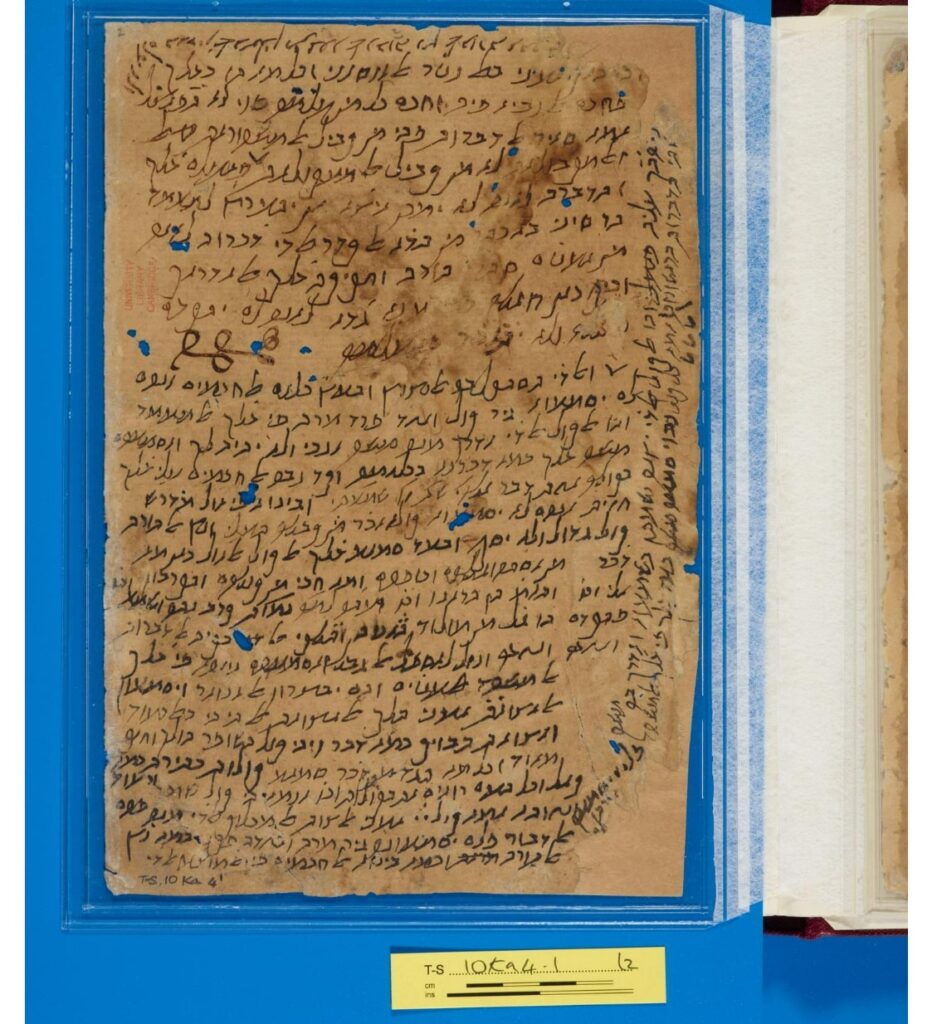
Ask whether the source is legal, narrative, polemical, administrative, or biographical. Then ask whether it shows motive, policy, outcome, or later memory.
Use different language for voluntary conversion, legal incentive, social pressure, forced baptism, and identity policing.
Add one more question: what exactly changed in the record? A tax status? A name? A public ritual? A communal affiliation? That is usually more solid than guessing inward conviction from the outside.
What This Myth Check Should Teach
After reading this page, a visitor should be able to:
- distinguish motive from legal status
- separate Muslim-rule conversion patterns from post-1492 coercive Christian policy
- avoid using one moralized story for every period
- ask what kind of evidence a conversion claim actually rests on
Working Conclusion
A better formulation is: "Conversion patterns varied by period and power structure; some were gradual or strategic, while later post-conquest forced conversion policies were coercive and must be named as such."