Editorial Summary
Legacy is not the same as continuity. This hub follows what changed after 1492, what survived in altered form, and how later museums, monuments, tourism, nationalism, and identity claims reshaped Moorish and Andalusi memory.
How to Use This Hub
Start with 1492, Mudejar and Morisco terminology, forced conversions, revolt, and expulsion. Then use the memory and influence pages to separate documented afterlives from romantic or political reuse.
Core Frame
This topic tracks the afterlives of al-Andalus and the Maghreb after conquest, conversion, expulsion, tourism, nationalism, and modern identity-making.
Choose a Route
Start After 1492
Separate the end of Nasrid rule from the longer social, legal, and religious changes that followed.
Follow Conflict and Expulsion
Use these pages to track revolt, repression, expulsion, and the limits of simple turning-point stories.
Read Modern Memory
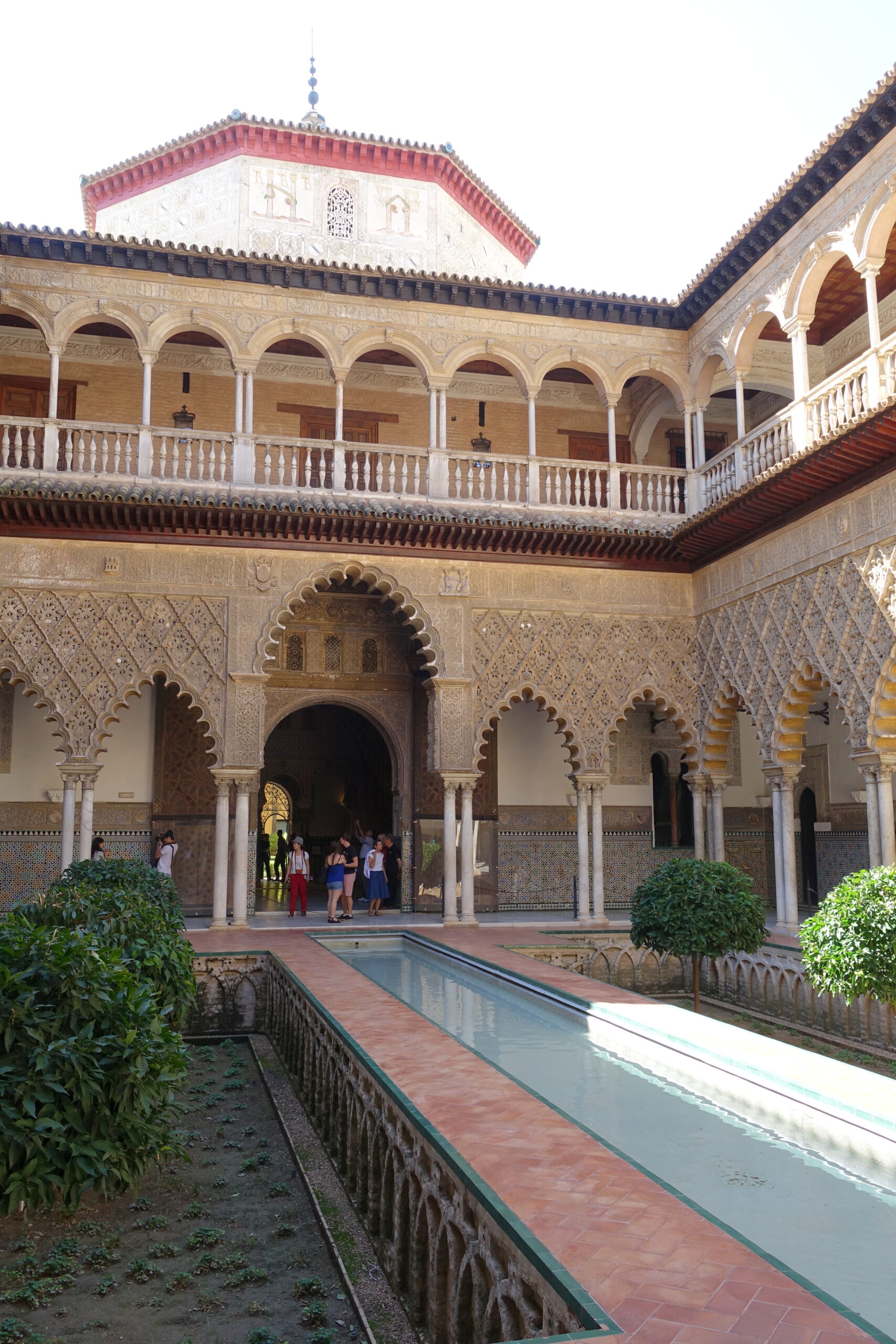
Connect architecture, museums, tourism, and public claims without turning legacy into proof by itself.
Reader Cautions
Legacy pages should separate documented continuity, later adaptation, romantic memory, and modern political use.
Questions This Hub Answers
- What changed immediately?
- What survived in altered form?
- Who is making the modern claim and why?
Best Next Steps
Read this hub after the al-Andalus and Nasrid pages if you want chronology first. Use Harvey's post-1500 work whenever the claim concerns Moriscos, forced conversion, or expulsion.
Partner Learning Path
For deeper foundations, Muur history, ancestral memory, and place-based community research, continue to TheFoundationsOf.us. Keep the distinction clear: this hub explains historical legacy and modern usage; the partner site explores foundations and community meaning.
Editorial Position
Moor History Center keeps medieval history, early modern policy, and modern memory in conversation without treating them as the same thing.