Editorial Summary
This hub treats architecture and objects as historical evidence. It moves from famous monuments to inscriptions, ornament, craft, restoration, and later reuse so readers can see why a visual form is never enough by itself.
How to Use This Hub
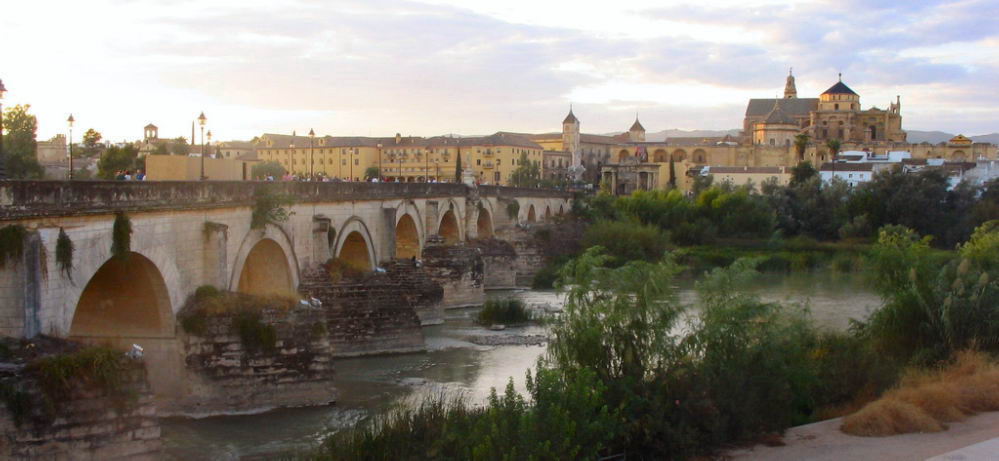
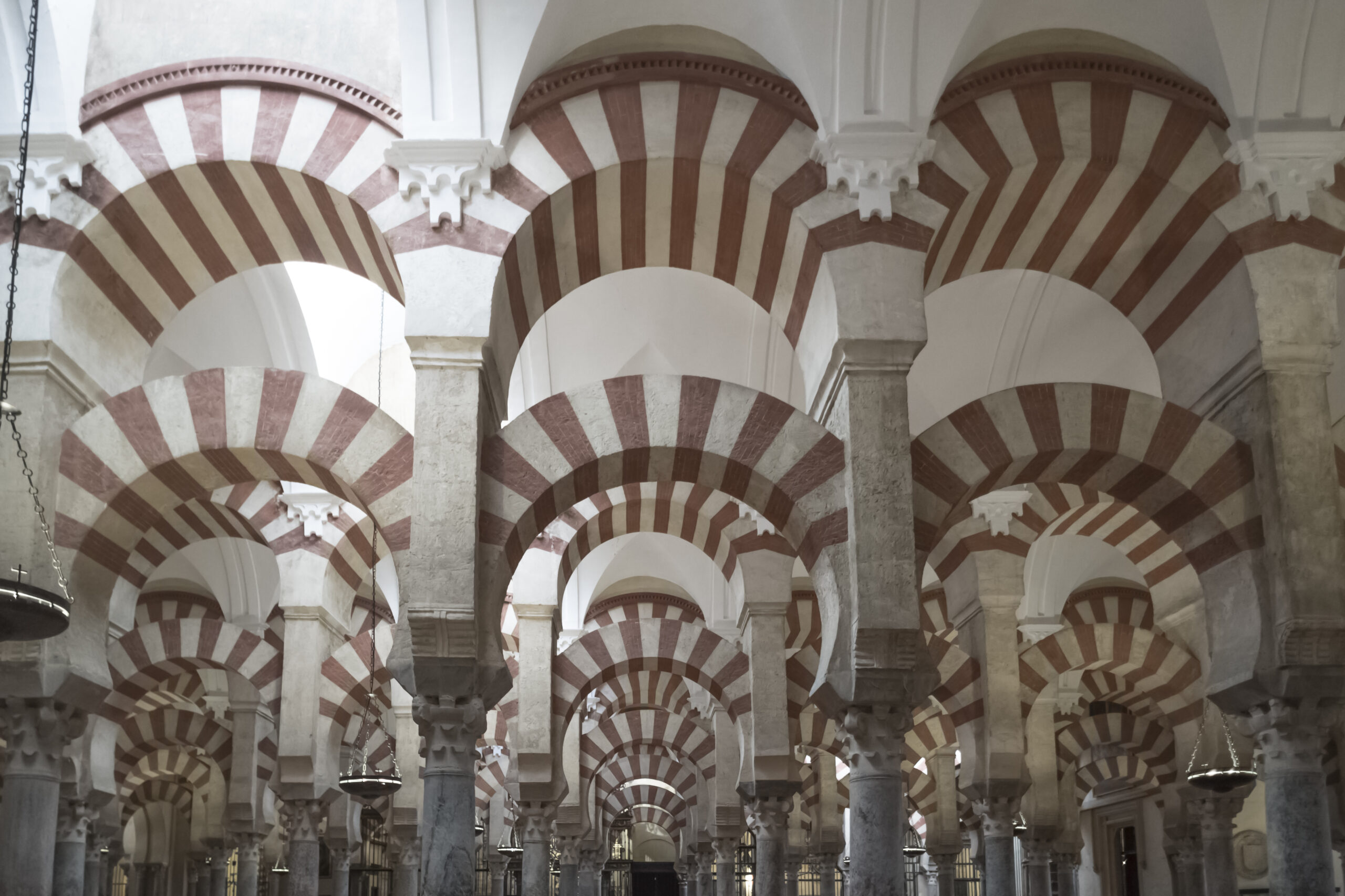
Start with the definition page, then compare the Great Mosque of Cordoba, the Alhambra, fortifications, and portable crafts. When a page uses the label "Moorish," check the date, patron, workshop, and later restoration history.
Core Frame
This topic reads buildings, objects, inscriptions, and ornament as historical evidence, not just visual style.
Choose a Route
Start With Definitions
Set the vocabulary before jumping into famous monuments or broad style claims.
Visit the Monuments
Use the best-known sites as case studies in patronage, reuse, power, and later interpretation.
Look Beyond Palaces
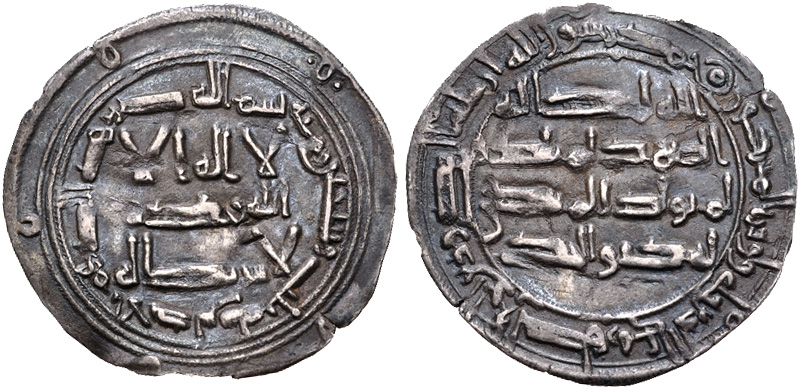
Material culture also survives in defensive landscapes, ceramics, metalwork, textiles, and portable objects.
Reader Cautions
The label 'Moorish' can hide local workshops, later restoration, Mudejar patronage, and Christian reuse of Islamic forms.
Questions This Hub Answers
- Who commissioned the object or building?
- What survives from the original phase?
- How has later restoration shaped what viewers see?
Best Next Steps
Use the monument pages as case studies, then follow place records for Cordoba, Granada, Fez, and al-Qarawiyyin. Return to the source records when a broad style claim needs evidence.
Editorial Position
Moor History Center avoids treating visual resemblance as proof of origin. The editorial priority is to connect form, patronage, place, function, survival, and later interpretation.