Editorial Summary
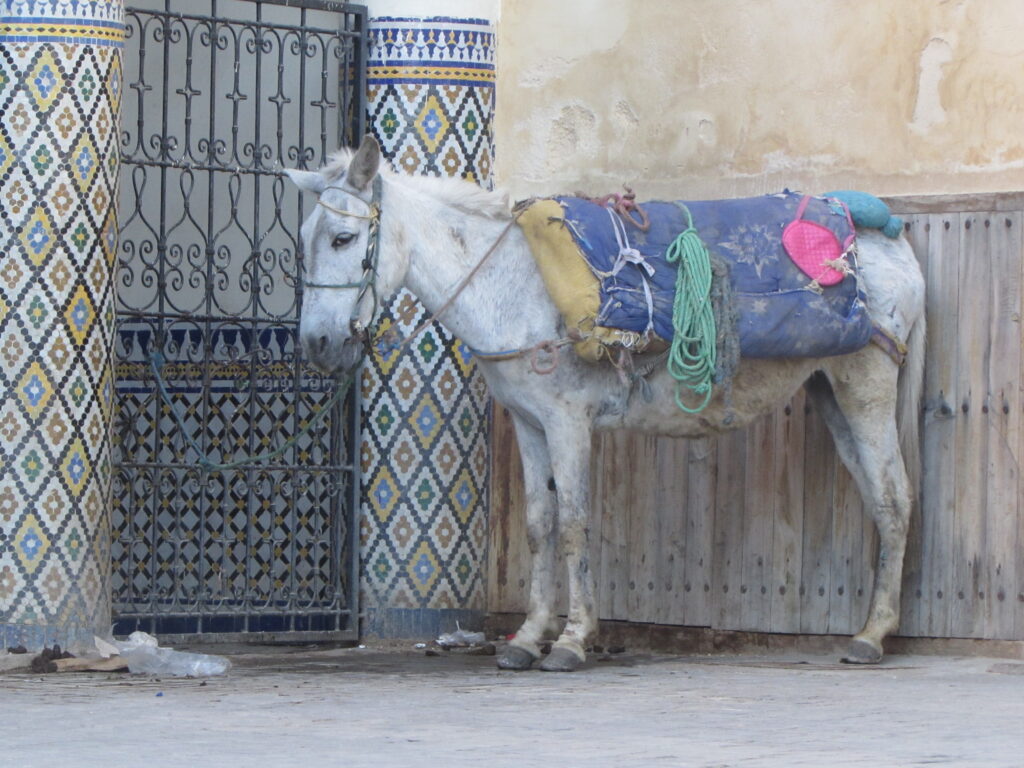
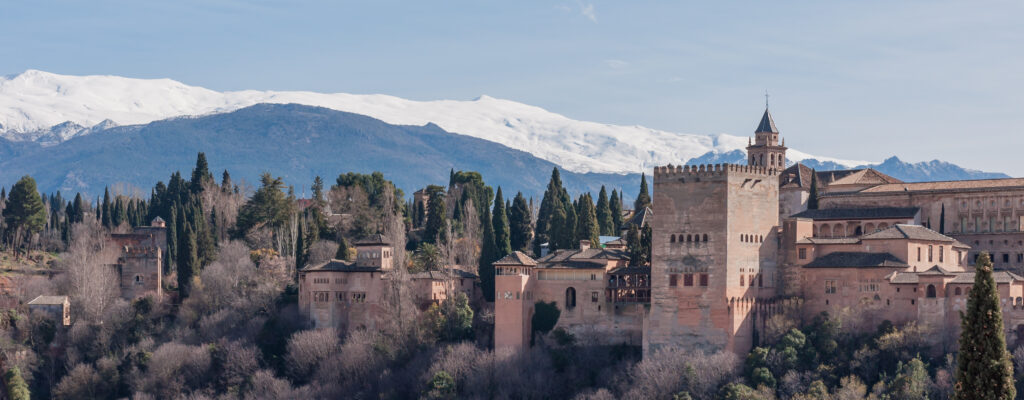
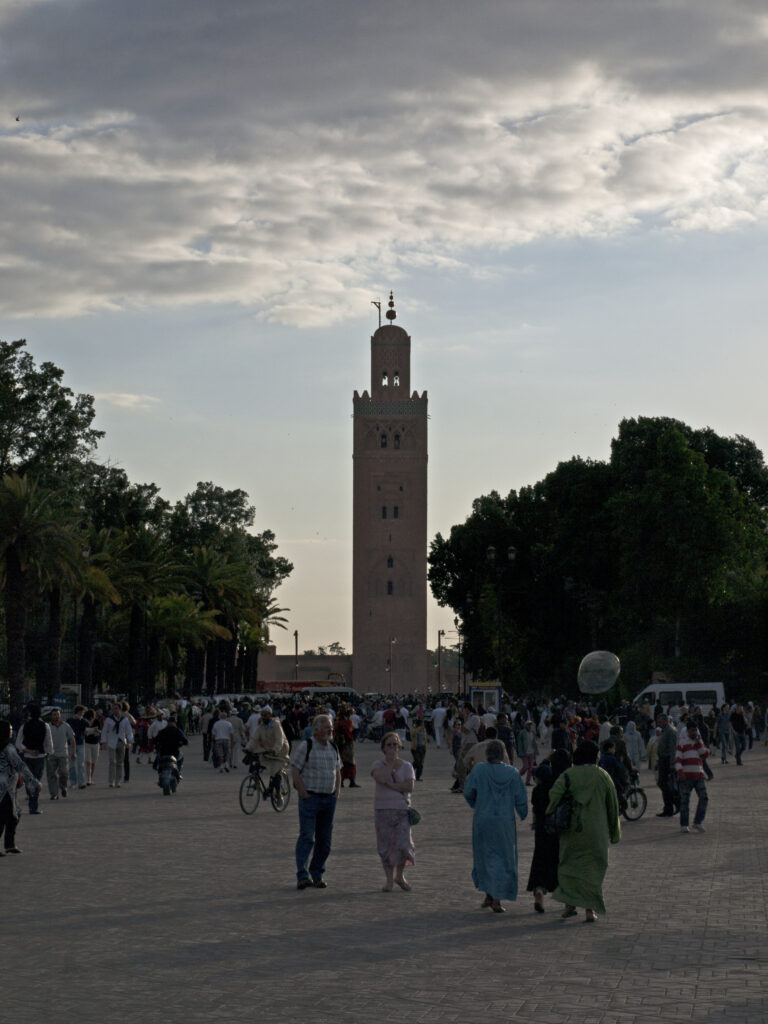
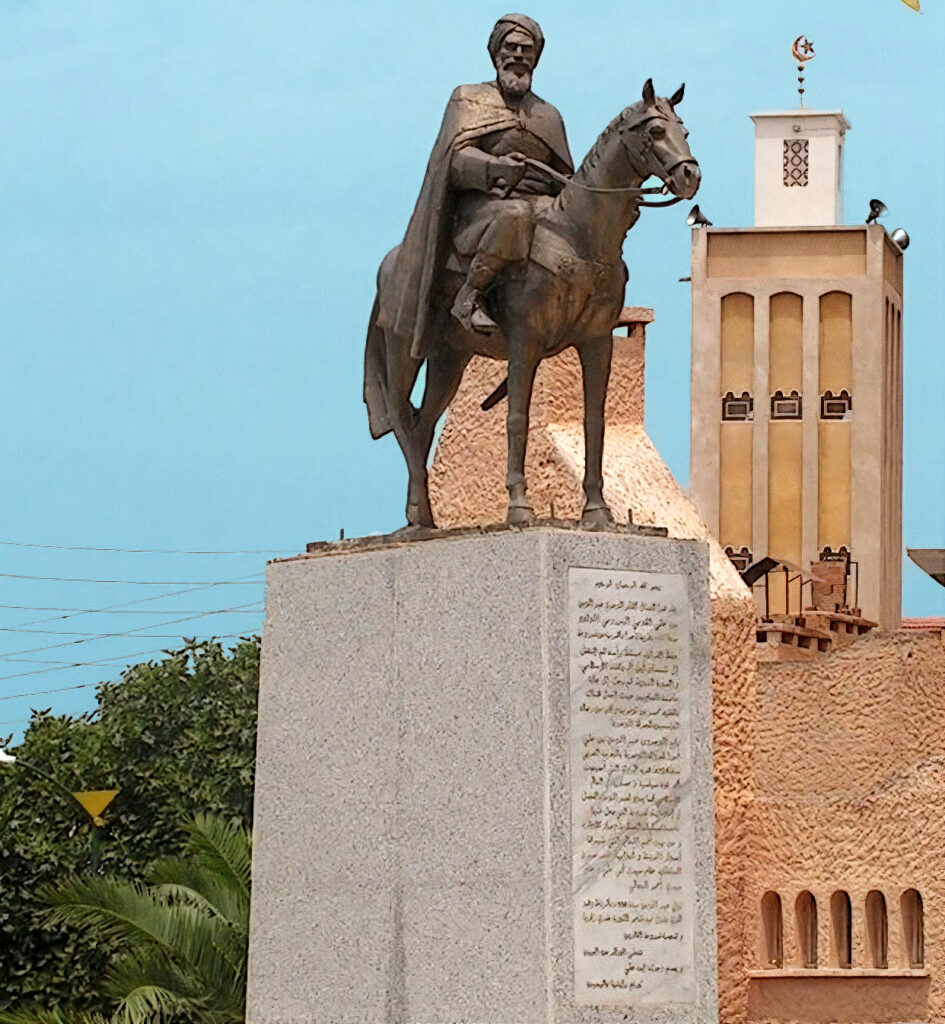
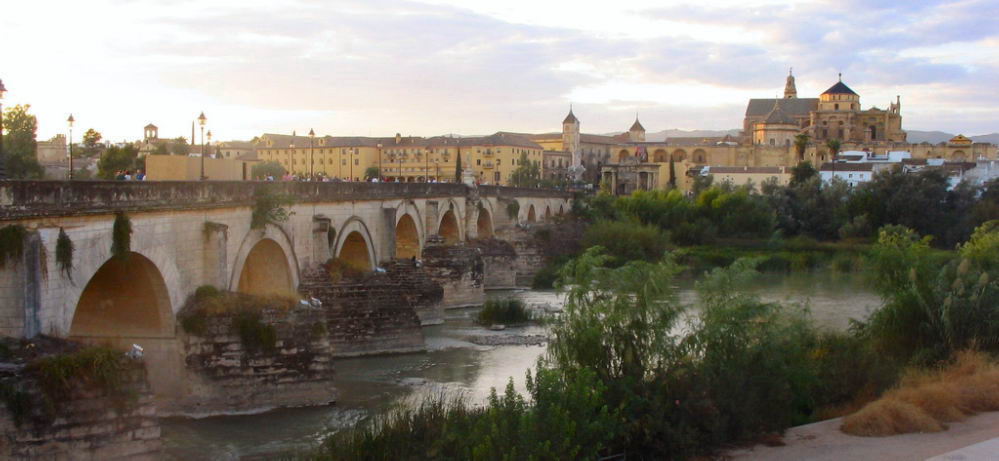
City images are some of the most useful media on MoorOfUS because they give readers a place to stand. Cordoba, Fez, Granada, and Marrakesh are not abstract names. They are urban landscapes with institutions, streets, monuments, memory, reuse, and modern presentation layered together.
At the same time, a modern photograph is not a window straight into the medieval past. It is a present-day view of a place with long histories of construction, change, preservation, tourism, and interpretation.
How City Images Help
City views help readers locate institutions. Cordoba can anchor discussions of the Umayyad emirate and caliphate. Fez can anchor scholarship, institutions, and the Maghreb. Granada can anchor Nasrid politics, the Alhambra, and post-1492 memory. Marrakesh can anchor Almoravid and Almohad power in the western Islamic world.
Images make those connections easier to remember.
Where City Images Can Mislead
A skyline can make history feel continuous and simple. But cities change. A building may have earlier, later, restored, reused, or reconstructed phases. A photograph may frame a monument while leaving out neighborhoods, labor, ordinary housing, markets, water systems, or communities not represented by famous architecture.
That is why a city view should lead readers into place records, articles, and source notes.
A Reader Method
When looking at a city image, ask:
- Which historical layer is visible?
- Which parts belong to later reuse, restoration, or modern presentation?
- Which institution or neighborhood is being emphasized?
- What is outside the frame?
- Which source record would help explain the image?
That method turns a beautiful image into a research path.
Why This Matters For Session Depth
Readers stay longer when images give them useful next moves. A city image should point toward related places, people, articles, and claims. It should invite movement through the site rather than simply decorating a single page.
Working Conclusion
City views are powerful entry points. They work best when the site treats them as maps into evidence: place, institution, power, memory, restoration, and source context.