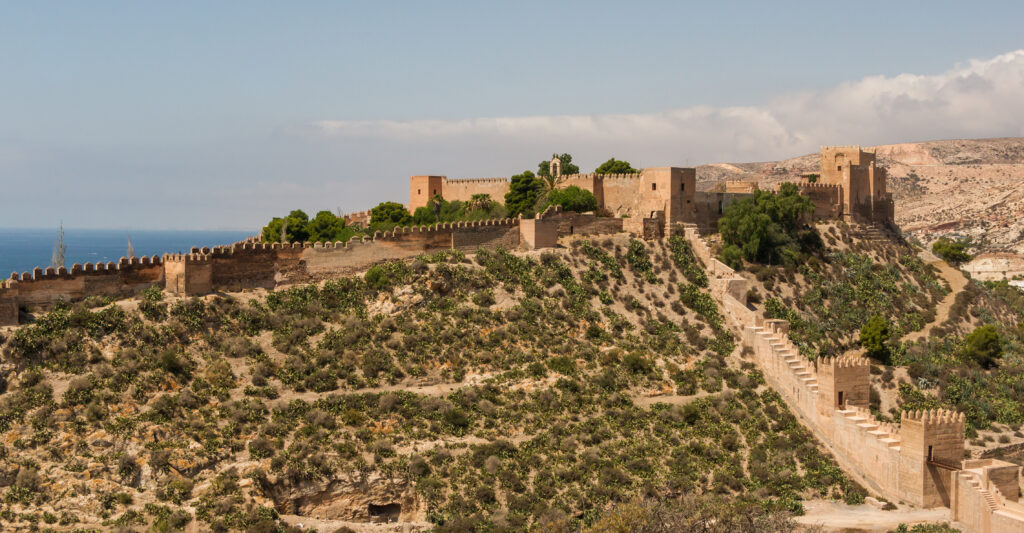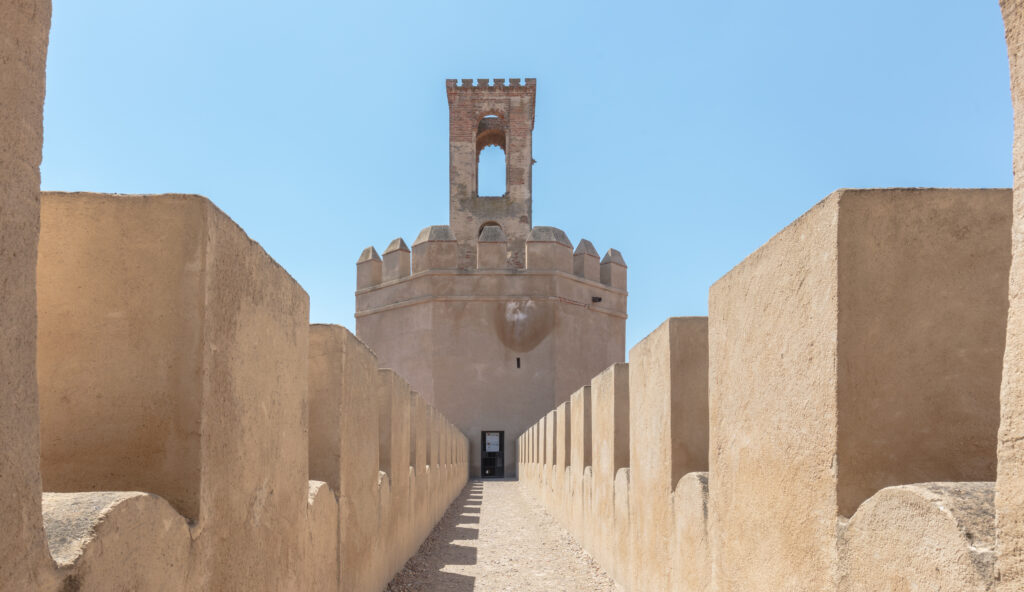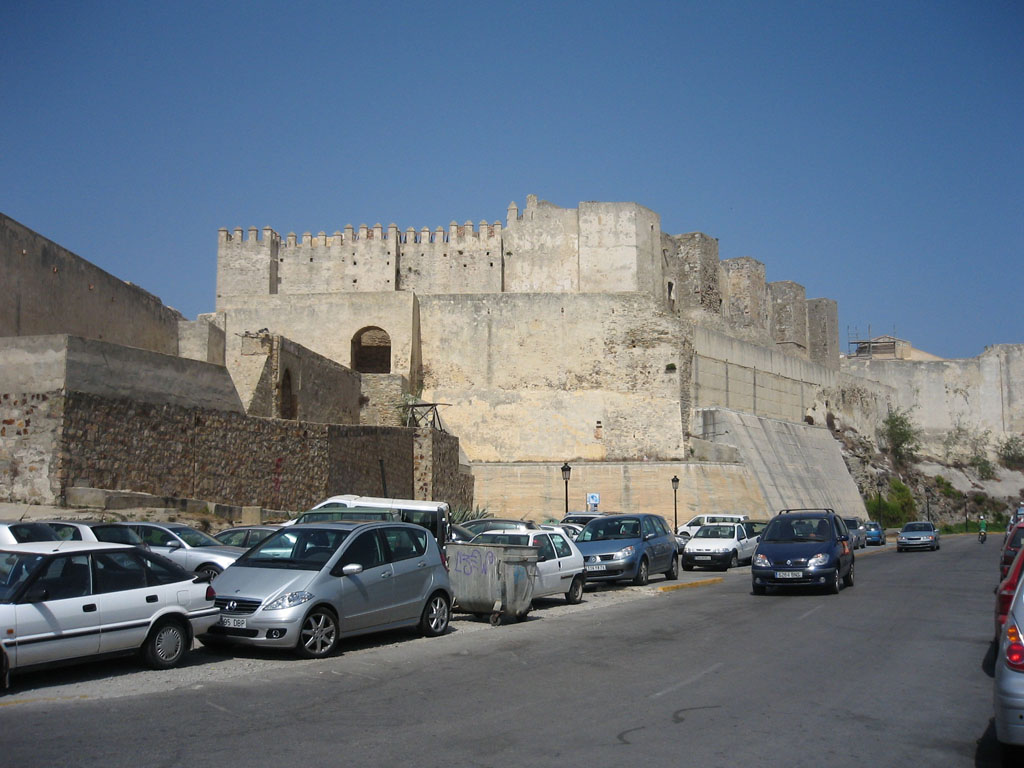
Editorial Summary
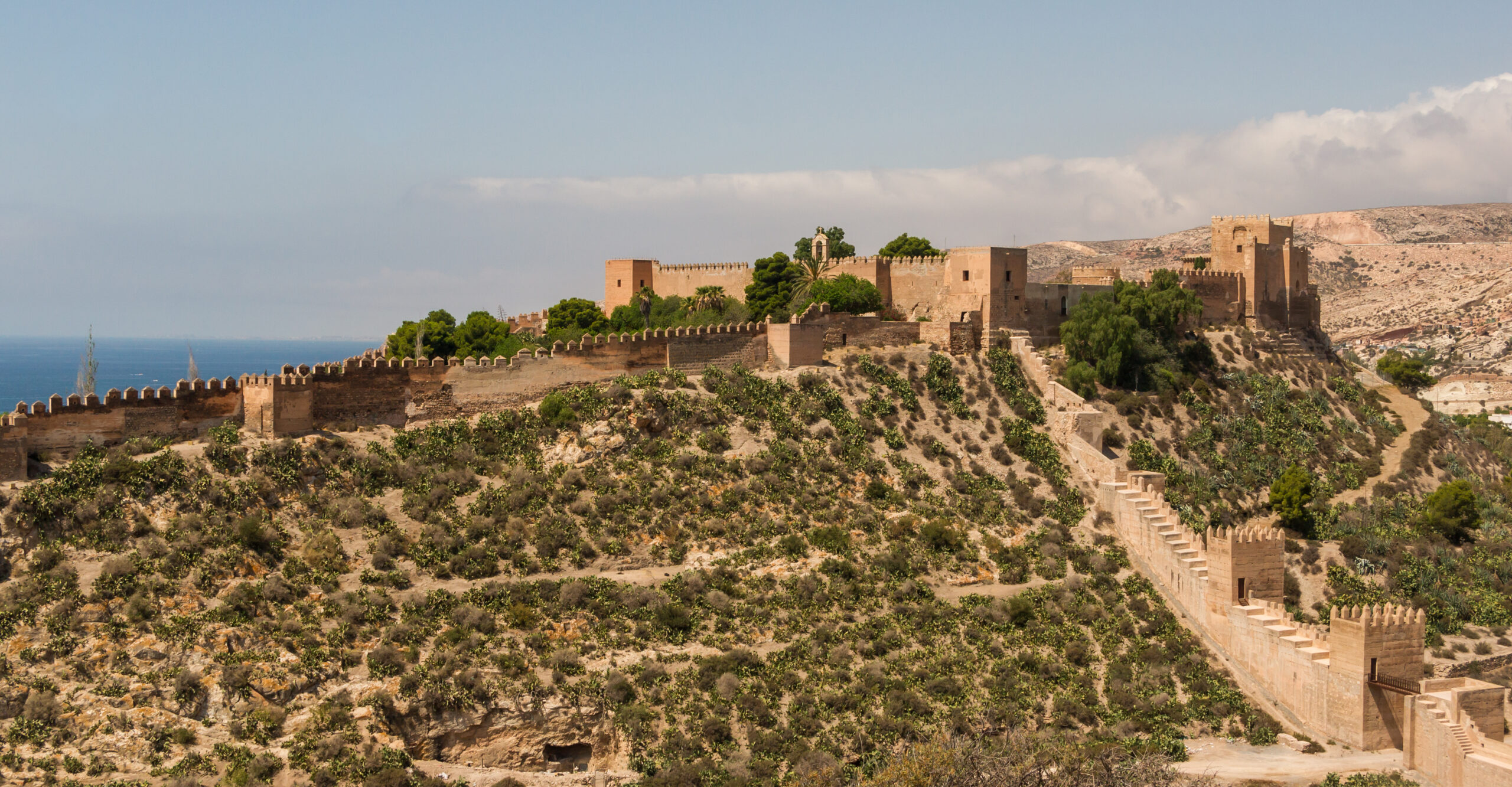
Alcazabas, city walls, towers, ports, and frontier landscapes are evidence for power. They show how rulers defended cities, controlled movement, taxed goods, staged authority, and responded to changing borders.
They also show why "military architecture" is too narrow a phrase if readers imagine only sieges. These structures belonged to governance, taxation, communication, and urban control as much as to open conflict.
Fortifications Are Infrastructure
A fortress is not only a place where fighting happened. It can guard a port, watch a road, protect a storehouse, control a neighborhood, house soldiers, collect revenue, or signal state presence.
This is why fortifications belong with economic and urban history as well as military history.
That broader framing matters because a wall or alcazaba often survives better than the surrounding social world. If the page only talks about battles, it leaves out the daily administrative work that made these places valuable in the first place.
Frontier Does Not Mean Empty
Frontier zones were not empty lines on a map. They included farms, markets, captives, scouts, merchants, diplomats, soldiers, religious communities, and families living with uncertainty. Fortified landscapes were part of that daily world.
This is one of the main habits the page should teach. A frontier is not just where kingdoms meet on a map; it is where ordinary life becomes organized around uncertainty, movement, and negotiated risk.
Changing Hands
Many defensive sites changed hands. Toledo, Lisbon, Cordoba, Seville, Tarifa, Gibraltar, and other places moved through different political regimes. A visible wall may contain multiple phases of building, repair, reuse, and restoration.
That means the page should train readers not to assign a whole structure to one regime too quickly. A fortification can preserve Islamic construction, Christian adaptation, later repair, and modern conservation all at once. Layer-reading matters here as much as it does in mosque or palace interpretation.
Ports and Ransom Economies
Almeria, Tarifa, Gibraltar, and other coastal or frontier sites connect fortification to maritime movement, trade, raids, ransom, diplomacy, and strategic control of the Strait. Defensive landscapes were part of economic life.
This is where frontier architecture becomes especially useful. It shows that defense and exchange are often inseparable. Ports and straits are places where taxation, captivity, surveillance, movement, and revenue meet.
Reader Method
When viewing a fortress or wall, ask:
- What route, port, city, or border did it control?
- Which phases are Islamic, Christian, restored, or modern?
- What event changed its political meaning?
- Does the source discuss military use, taxation, settlement, or later memory?
Add one more question when possible: what human world had to exist around this structure for it to function? Walls do not defend abstractions; they defend routes, storehouses, households, officials, and political claims.
What These Sites Can And Cannot Prove
Fortifications can strongly support claims about strategic geography, shifting borders, logistical planning, and urban control. They can also help show that conquest was often a process of reuse and reorganization rather than instant replacement.
They cannot, by themselves, prove who "owned" a whole cultural style or what every resident experienced. A dramatic wall is not a complete social history. It becomes better evidence when paired with archaeology, texts, and local political context.
Working Conclusion
Fortresses keep visitors on the page because they are dramatic, but their real value is historical. They turn landscape into evidence for rule, conflict, trade, and survival.