.jpg)
Event Summary
Almanzor consolidated power within the late Cordoban state.
What Happened
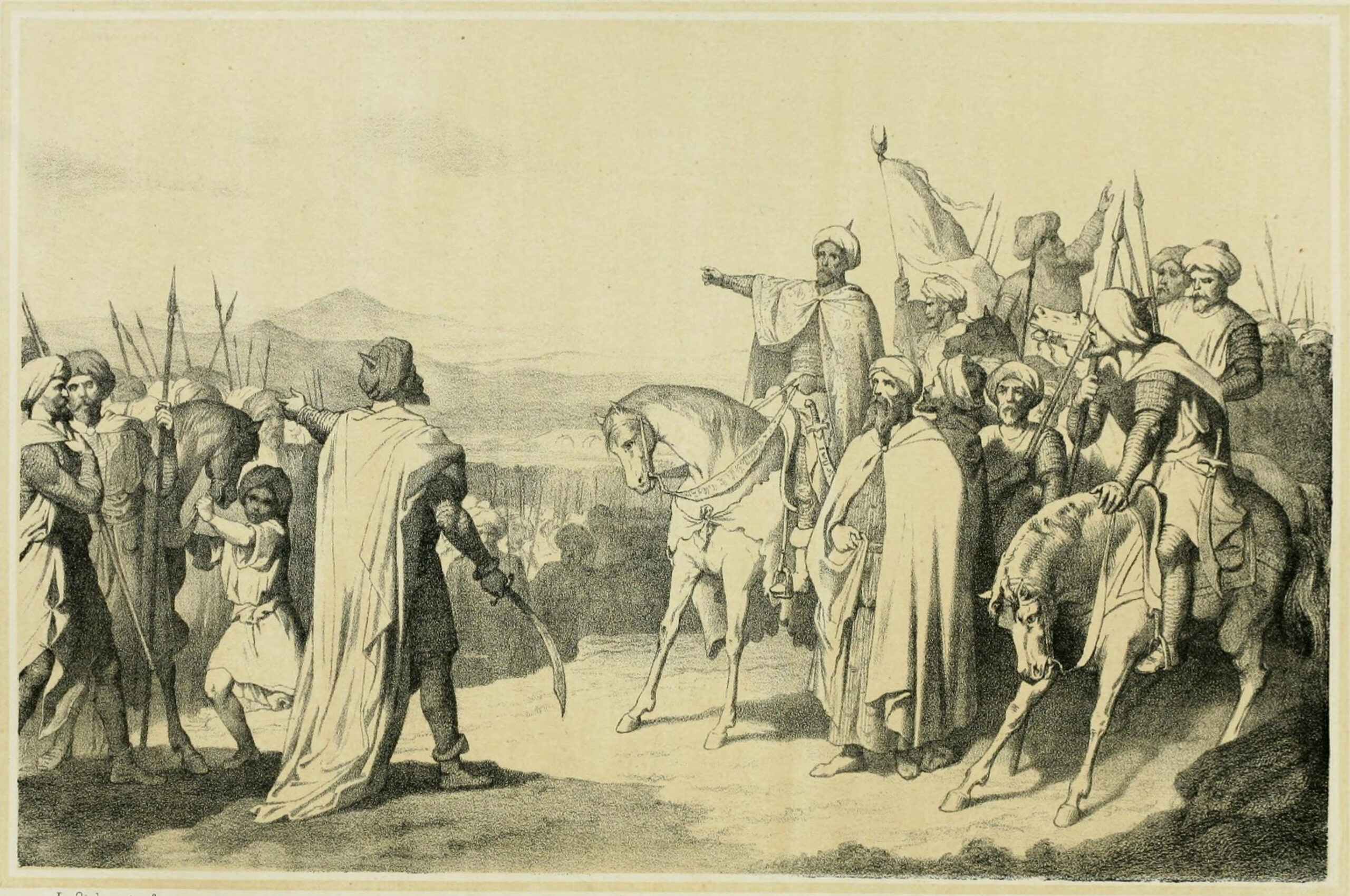
By 978, Ibn Abi Amir (al-Mansur/Almanzor) had secured decisive influence over the Cordoban court during Hisham II's reign. Through control of administration, military command, and patronage networks, he converted formal caliphal authority into a new practical power structure centered on his own household.
His rise was not a single coup moment but a sequence of appointments, rival eliminations, and campaign-based legitimacy building. This helped stabilize his short-term rule while increasing long-term systemic fragility.
That sequence matters because it explains why later memory often exaggerates either pure military genius or pure court intrigue. In reality, Almanzor's position depended on both. He built credibility through campaigns and plunder, but he also mastered bureaucratic placement, household influence, and the management of access to the caliph.
Why It Matters
This event is key to understanding how late caliphal institutions operated under concentrated personal power. It connects military success, bureaucratic control, and court politics in one transition point.
It is also one of the clearest warnings against reading the Caliphate of Cordoba only through ceremonial titles. Formal sovereignty and actual initiative had diverged. Almanzor's rise makes visible how a state can appear strong outwardly while shifting real power into narrower hands.
What Changed
Political initiative moved away from the caliph as a public symbol toward Almanzor's regency-like dominance. That shift delivered military momentum but left succession and institutional balance more vulnerable after his line weakened.
The change was therefore double-edged. On one hand, the regime could still project force impressively across frontiers. On the other, the concentration of power around one household made the broader political order less resilient. Readers should see 978 not only as the beginning of Almanzor's success, but as part of the longer path toward the instability that culminated in the fitna.
Evidence Frame
The chronology and centrality of Almanzor's rise are well supported. What remains contested is the degree to which his governance should be read as state strengthening versus deferred instability. Strong interpretation keeps both dynamics visible.
It also helps to distinguish contemporary political function from later legend. Much of Almanzor's fame comes from what later writers and modern summaries chose to highlight. The core evidence is strong enough to support his importance, but careful reading still asks how narrative emphasis has shaped the image of the man.
What This Event Should Teach
This event should teach readers to look past official titles and ask where operational power actually sits. Courts, caliphs, regents, generals, and patronage networks do not always align neatly. Almanzor's rise is a compact case study in how personal command can coexist with formal continuity until the underlying balance finally fails.
Related Reading
- Almanzor's campaigns and their memory.
- The caliphate's political structure before the fitna.
- How concentrated power can mask institutional weakness.