.jpg)
Event Summary
Almanzor's campaign against Santiago became a heavily remembered event.
What Happened
In 997 forces under al-Mansur, known in Christian sources as Almanzor, attacked Santiago de Compostela. The campaign became one of the most remembered episodes of late Cordoban military pressure against northern Christian polities.
The event belongs to a wider pattern of raids, tribute, border violence, and political signaling. Campaigns were not only battlefield events; they could reinforce legitimacy, extract wealth, punish enemies, and shape later sacred or regional memory.
That wider pattern matters because Santiago is often remembered as if it were a self-contained civilizational clash. In practice, the raid makes more sense inside the logic of frontier campaigning and court politics. Almanzor's power depended partly on demonstrating reach, success, and control, and spectacular raids served that internal political economy as much as they served external warfare.
Why It Matters
Santiago shows how military action became memory. It helps readers understand why the same event can be studied as politics, violence, religious symbolism, and later narrative all at once.
It also shows how one episode can become far larger in retrospective storytelling than it may have seemed within the ordinary brutality of frontier politics. For that reason, the event is useful not only for what happened in 997, but for what later communities chose to remember, amplify, or moralize about it.
What Changed
The campaign strengthened al-Mansur's reputation for force and entered Christian memory as a major violation of a sacred place. It also shows the reach of late Cordoban power before the caliphate's internal crisis.
It further reinforced a pattern where frontier campaigning fed domestic legitimacy at court while increasing long-run dependency on militarized prestige politics.
That dependency is part of the deeper lesson. A regime that leans heavily on successful campaigning can look powerful while becoming more structurally brittle. Readers should therefore connect Santiago not only to triumphal memory, but to the larger political system that made those campaigns necessary and ultimately unsustainable.
Evidence Frame
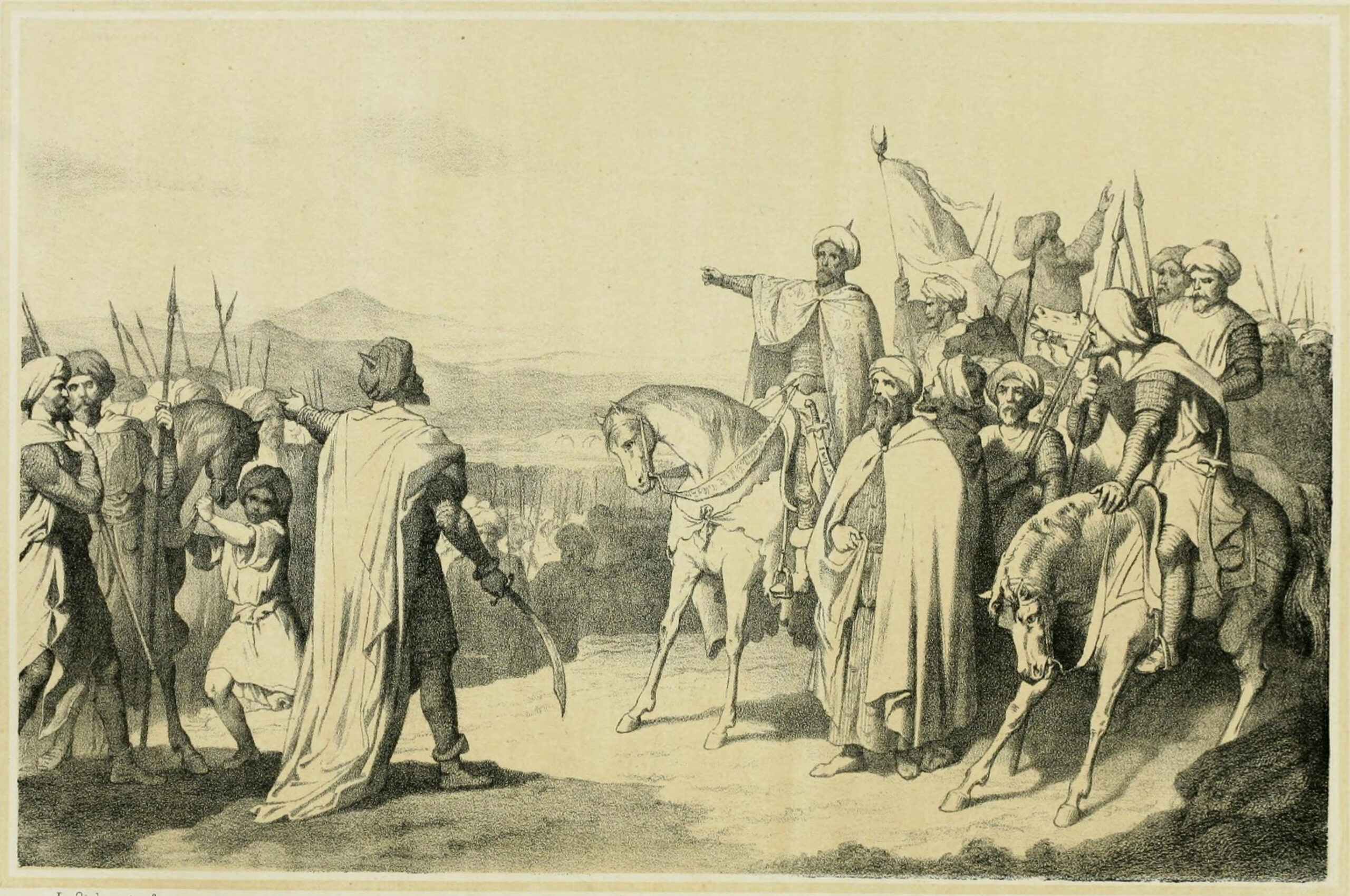
Later images of Almanzor are memory images, not documentary portraits. Treat numbers, dramatic scenes, and moralized claims with caution, and focus on what the campaign reveals about power and frontier violence.
The event also requires care with religious symbolism. Santiago was a sacred site, and that shaped later memory strongly, but the strongest interpretation keeps together the religious, political, fiscal, and reputational dimensions rather than reducing the raid to only one of them.
What This Event Should Teach
This event should teach readers that memory is part of the history, not just a distortion added later. The raid mattered as military action, but it mattered differently in court legitimacy, Christian regional identity, and later mythmaking. Learning to track those layers is more useful than repeating the event as a dramatic slogan.
Related Reading
- al-Mansur's rise and campaigns.
- Raids, ransom, and captivity on the frontier.
- How battle and campaign memory becomes myth.